
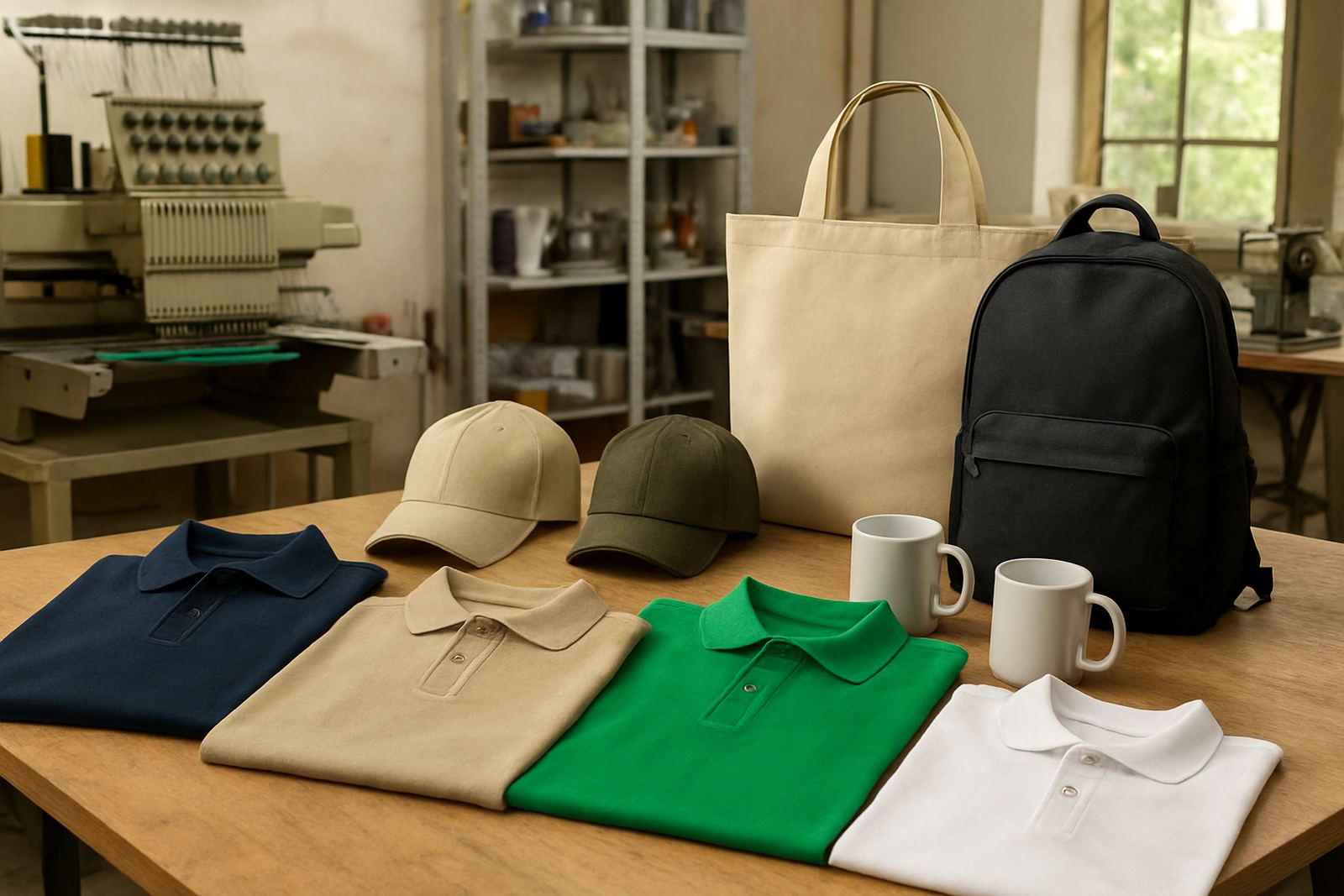
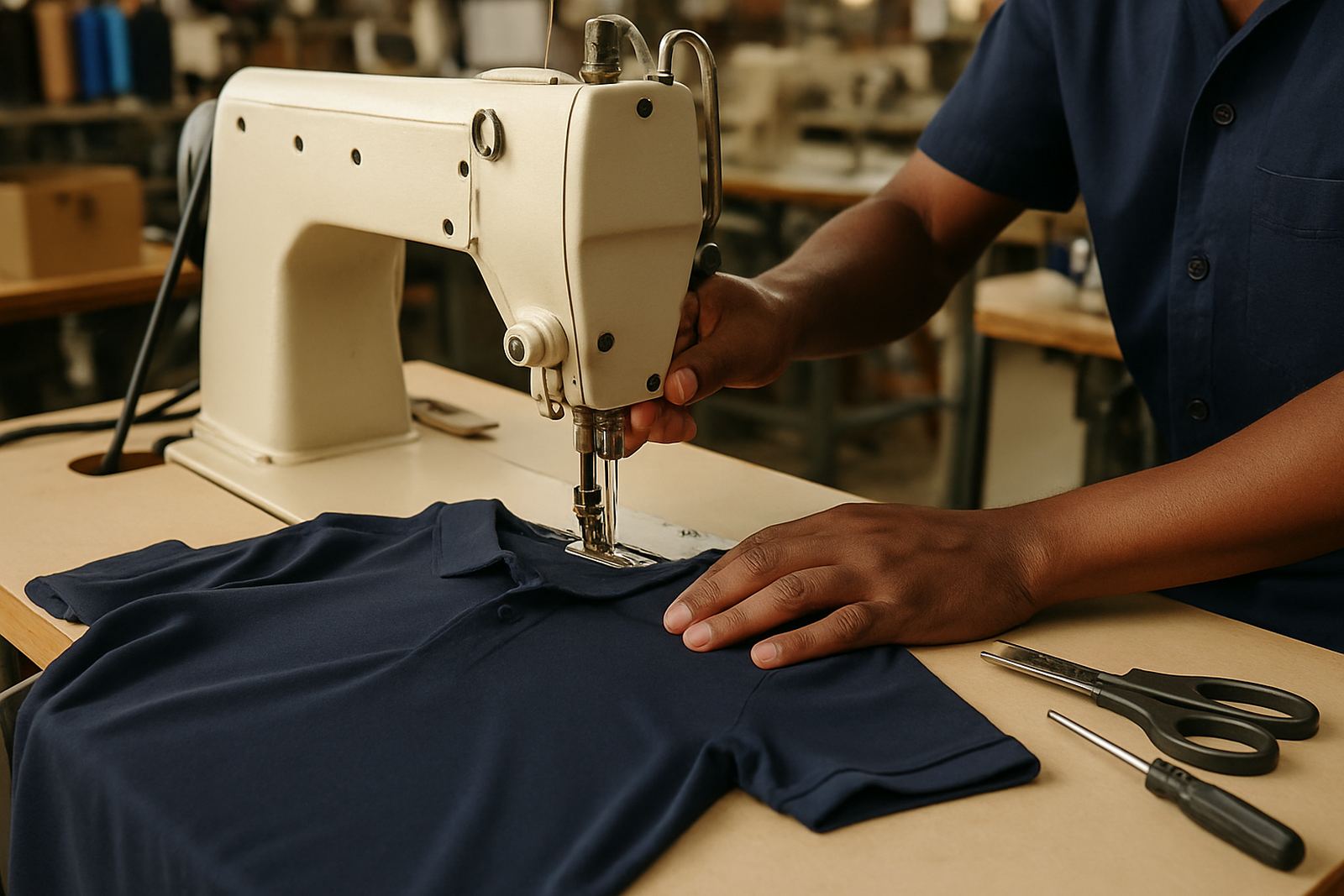
Start with the purpose of the shirt
A golf shirt for a site crew in White River is not always the same as one for a reception team in Mbombela or a school event in Malelane. Before you place an order, decide how the shirt will be used, how often it will be worn and whether it must hold up to daily washing. That one decision affects the fabric, collar style, branding method and the order size.
If the shirts are for office wear, choose a cleaner finish and a more fitted cut. For outdoor work or school fundraisers, look for a fabric that breathes and still keeps its shape after a full day in the Lowveld heat. For golf days and promotions, comfort matters just as much as appearance, especially when the shirts will be worn for hours on end.
- Daily wear: choose stronger seams and easy-care fabric
- Events: choose a smart finish with clear logo placement
- Outdoor use: check breathability and sweat control
- School wear: confirm sizes for learners and staff separately
Choose the right fabric for Lowveld conditions
Fabric choice makes a big difference in Mbombela and the surrounding areas because warm weather, humidity and long wear times can quickly show up on a poor shirt. A lighter fabric is usually more comfortable for the region, but it still needs enough structure to keep its shape after washing. If the garment feels too thin it may not hold embroidery well, and if it is too heavy it can feel sticky by midday.
Ask for a sample or fabric description before approving the full order. A good supplier should be able to explain how the cloth behaves with embroidery, screen printing or sublimation. Some fabrics are better for crisp logos, while others are better for bold full colour artwork. If the order is for a large team, it is worth checking shrinkage as well, because even a few millimetres can affect fit across a bulk run.
- Lightweight fabric for warm weather and long wear
- Washable fabric that keeps its shape and colour
- Enough thickness for embroidery to sit neatly
- Consistent texture across all sizes in the order
Get the fit right before branding begins
Fit is often the part people leave too late. A golf shirt can look neat on the hanger and still sit badly across the shoulders or pull at the button line once worn. For a company order, you want enough room for movement without making the shirt look oversized. That is especially important when staff members are wearing the shirts with trousers or skirts that have a more formal finish.
We recommend checking a size range before confirming the final quantity. If you are ordering for a mixed group, keep a simple size breakdown and note which shirts are for men, women or unisex wear. It also helps to think about layering. In the cooler months around Barberton or Hazyview some teams wear a vest or jacket over the golf shirt, so the fit should still work under another garment.
- Measure chest, shoulder and shirt length where possible
- Check if the cut is slim, regular or relaxed
- Confirm whether sizes run small or generous
- Allow for layering in cooler mornings
Pick the branding position that suits the garment
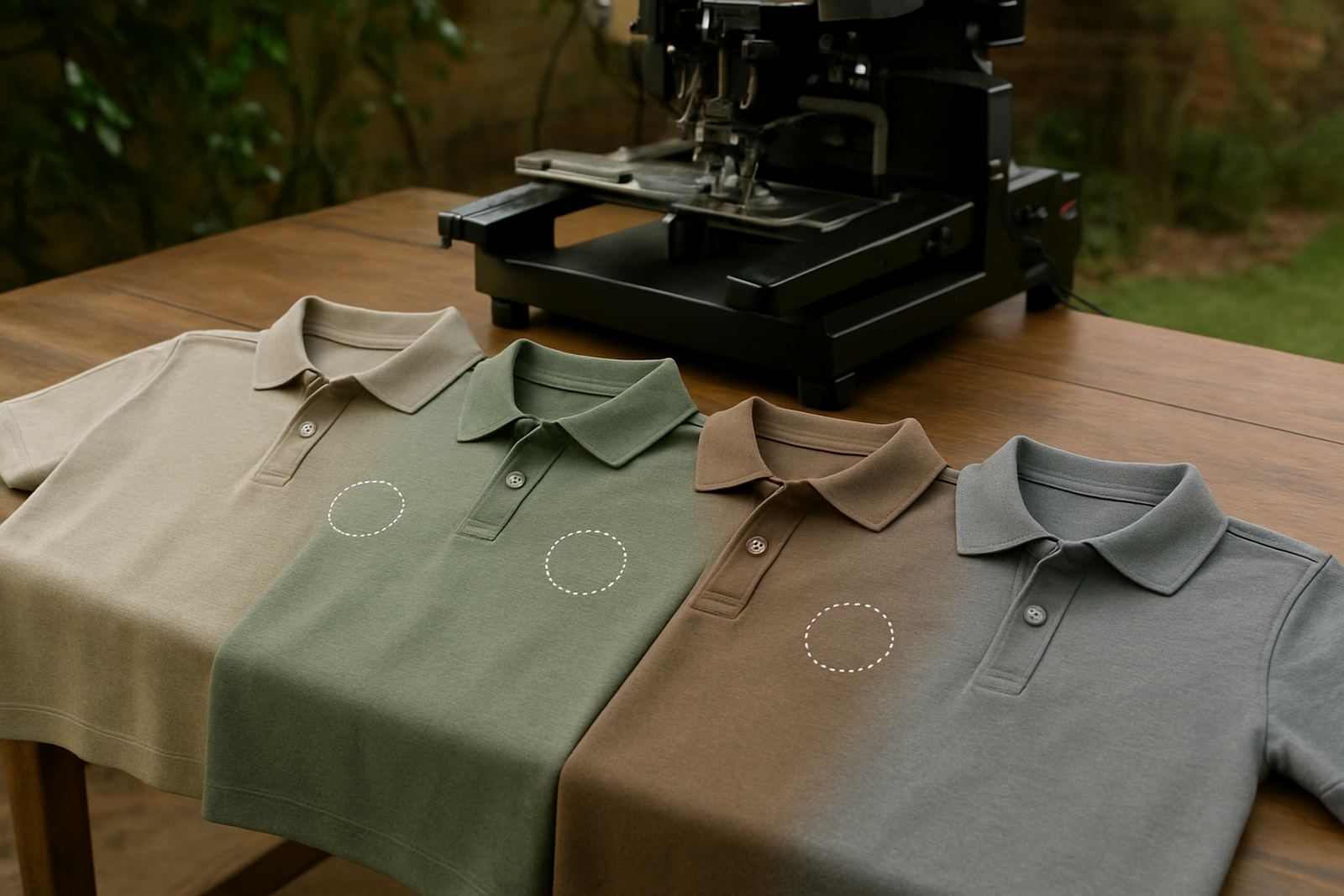
The best branding position depends on the logo, the garment size and how the shirt will be worn. A left chest logo is the most common choice for corporate wear because it stays visible without overpowering the shirt. Larger back branding works well for event staff, golf days and promotional use. Sleeve branding can be useful when there is already a front logo and you need a second message or department name.
For a cleaner look, keep the logo size in proportion to the shirt. A small emblem on a big shirt can disappear, while an oversized mark can make the garment feel crowded. If the order includes names, department titles or school house names, make sure the text is large enough to read from a short distance. The goal is clear identification, not filling every available space.
- Left chest for corporate identity and daily wear
- Back branding for events, teams and walk-in visibility
- Sleeve branding for extra detail or department names
- Name personalisation for staff, coaches or learners
Choose the branding method with the garment in mind
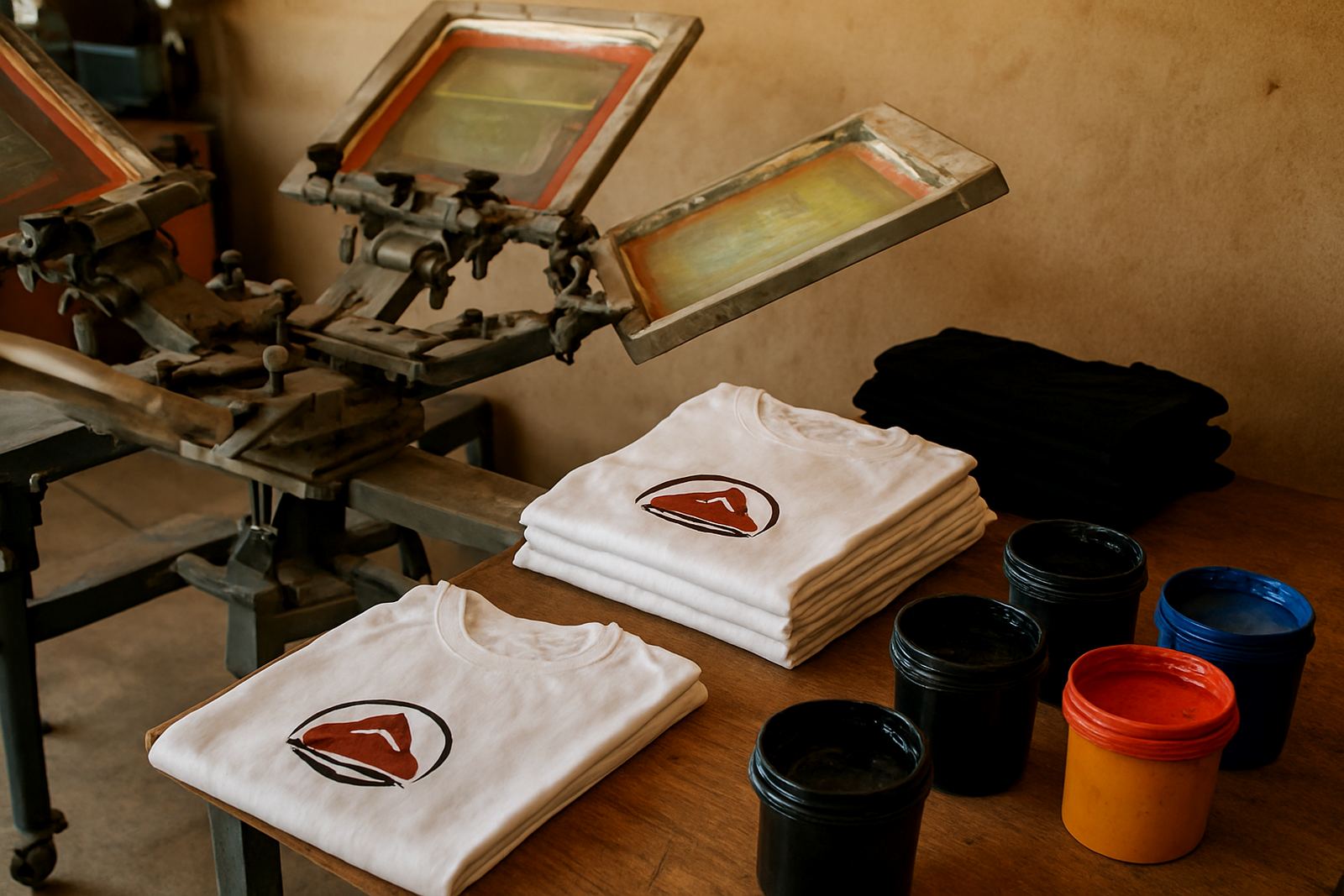
Different branding methods suit different budgets and garment types. Embroidery gives a neat raised finish and is popular for golf shirts, caps and office wear. Screen printing works well for simpler artwork, strong colour blocks and larger runs. Sublimation is useful when the shirt fabric and artwork call for full colour print coverage. The right method depends on the logo detail, the fabric and how often the garment will be washed.
As a rule, fine detail and small lettering need careful digitising before embroidery can be approved. If your logo has thin lines or shading, ask how it will translate on cloth. This step saves time later and avoids a result that looks different from the original artwork. For schools and businesses across the Lowveld, clear approval before production helps keep the order on track.
- Embroidery for a neat, long lasting finish
- Screen printing for bold artwork and volume orders
- Sublimation for full colour designs on suitable garments
- Digitising first, then approval before stitching starts
Use a simple checklist before placing the order
A proper checklist keeps the order organised and helps avoid missing sizes, spelling mistakes or wrong logo placement. If the shirts are for a business, school or club, nominate one person to sign off the final details. That person should check the sizes, colours, artwork and delivery address before production starts. It is always easier to fix a file at the approval stage than after the garments are printed or embroidered.
When you are ordering for multiple branches or departments, separate the list clearly so packing is simple. This is especially useful for bulk orders going to different areas such as Mbombela, White River, Nelspruit Central or Barberton. Clear labels also help when shirts need to be distributed by size after delivery.
- Confirm fabric, colour and size range
- Approve the logo position and branding method
- Check spelling on names and department titles
- Set the quantity for each size and each recipient group
- Ask for mock-ups and final approval before production
Plan for care, delivery and repeat orders
Once the shirts are made, the next step is keeping them in good condition. Ask for washing and care advice, especially if the garments carry embroidery or print. Most corporate shirts last longer when they are washed correctly and dried without excessive heat. That matters for businesses that want a clean appearance throughout the year, from the first order to the next repeat batch.
Keep a record of what was ordered, including size split, fabric choice and branding position. This makes repeat orders much faster when staff numbers grow or new learners join. A small change in the team should not mean starting from scratch every time, and a tidy order record saves both time and money.
When you are ready to place your order, send through the details using the enquiry form on the contact page and include your sizes, quantities and artwork notes. The clearer the brief, the easier it is to match the shirt to your team, your budget and the way it will be worn.