Start with the job, not the garment
Before you compare overalls, conti suits and jackets, write down what the team actually does in a day. A warehouse crew in Mbombela has different needs to a maintenance team in Malelane, and both differ from school support staff or a promotional crew moving between sites. Think about heat, dust, rain, sharp edges, oil, welding sparks and how often garments are washed.
For most orders, we start with the work environment, then the branding method, then the size range. That keeps the clothing practical and also helps the logo last longer. If the garment is too hot or stiff, people wont wear it properly and it ends up looking untidy by the second week.
- List the daily tasks and the hazards on site
- Note indoor, outdoor or mixed use
- Check how many times each garment will be washed per week
- Confirm whether the item must carry a logo, name or department mark
When overalls are the better choice
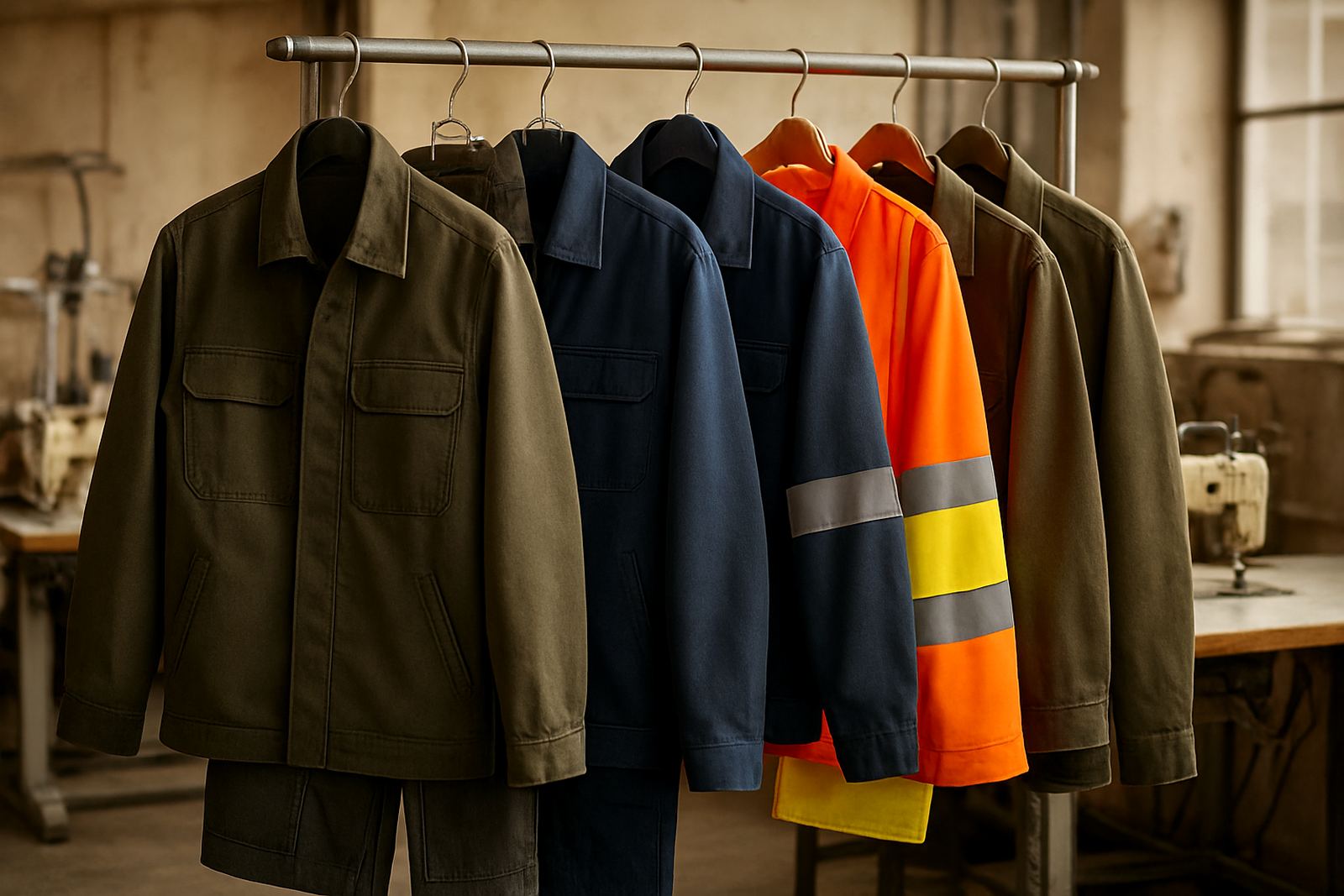
Overalls suit dirty work, frequent bending and jobs where full coverage matters. They are useful for mechanics, grounds teams, workshop staff and general maintenance crews. In the Lowveld, a medium weight fabric is often a better balance than a heavy winter cloth because midday temperatures can rise fast, even in areas like White River and Hazyview.
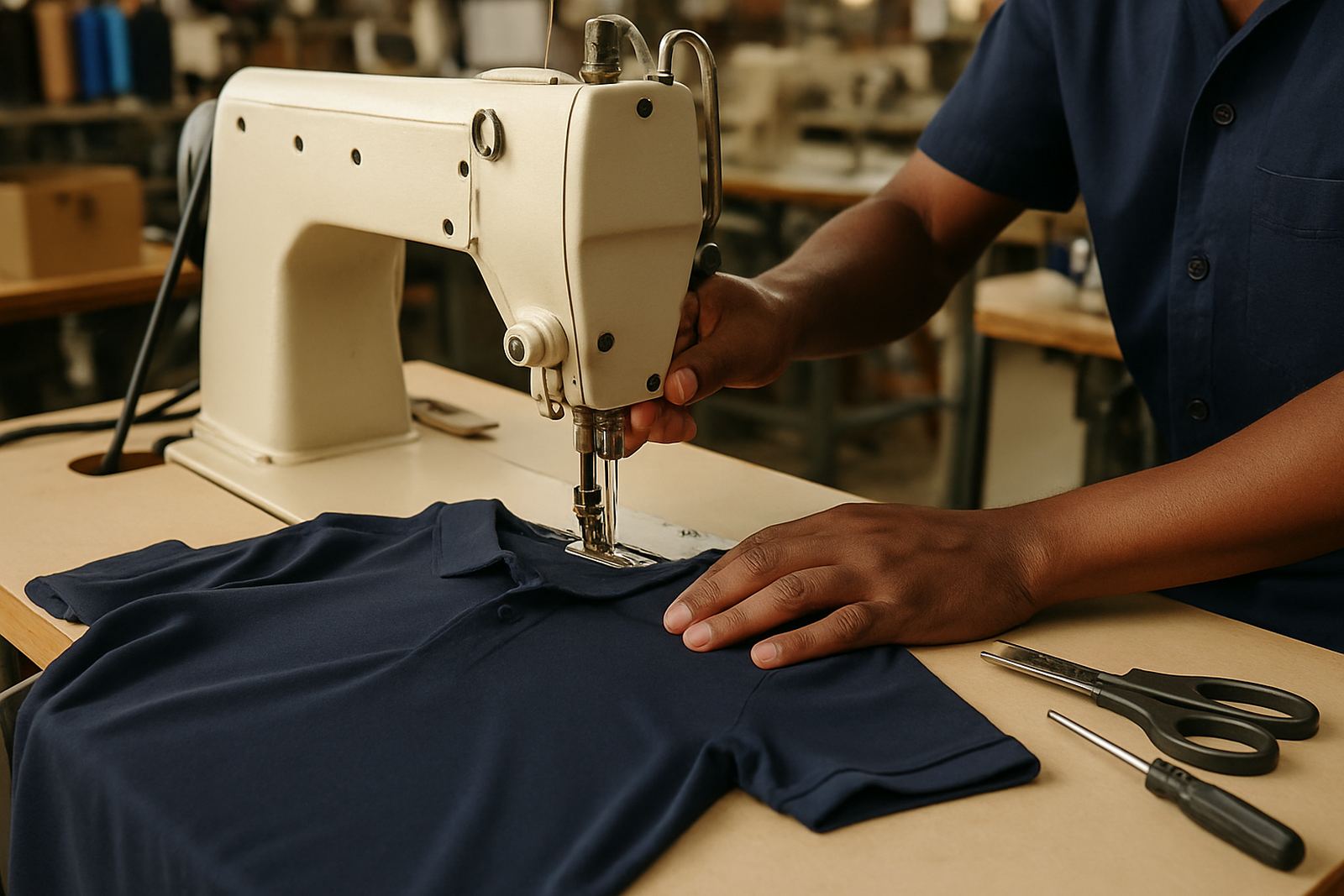
Look for strong stitching at the stress points, usable pockets and enough room through the shoulders and thighs. If the team wears boots, check the leg length and whether the hem needs a neat finish for safety. For branded overalls, embroidery works well on chest areas and screen printing suits simpler marks on the back or sleeves.
- Choose overalls for heavy wear and messy tasks
- Ask for reinforced seams at knees and pockets
- Check if the fabric can handle repeated washing and drying
- Confirm whether reflective tape is needed for site visibility
When a conti suit gives the best balance
Conti suits are often the practical middle ground. They give a neat, professional look while still allowing movement for technicians, drivers, store teams and school maintenance staff. A conti suit also works well where different departments need the same uniform style but not the same level of protection as a full overall.
When comparing conti suits, check the jacket length, trouser rise and how the garment sits when the wearer climbs, kneels or reaches overhead. In humid areas like Barberton and Kabokweni, lighter fabric with good airflow is helpful, while inland teams may want a slightly heavier cloth for early mornings and cooler months. If you are ordering for a full staff set, keep the cut consistent so the team looks uniform across the board.
- Good for mixed duties and front facing support staff
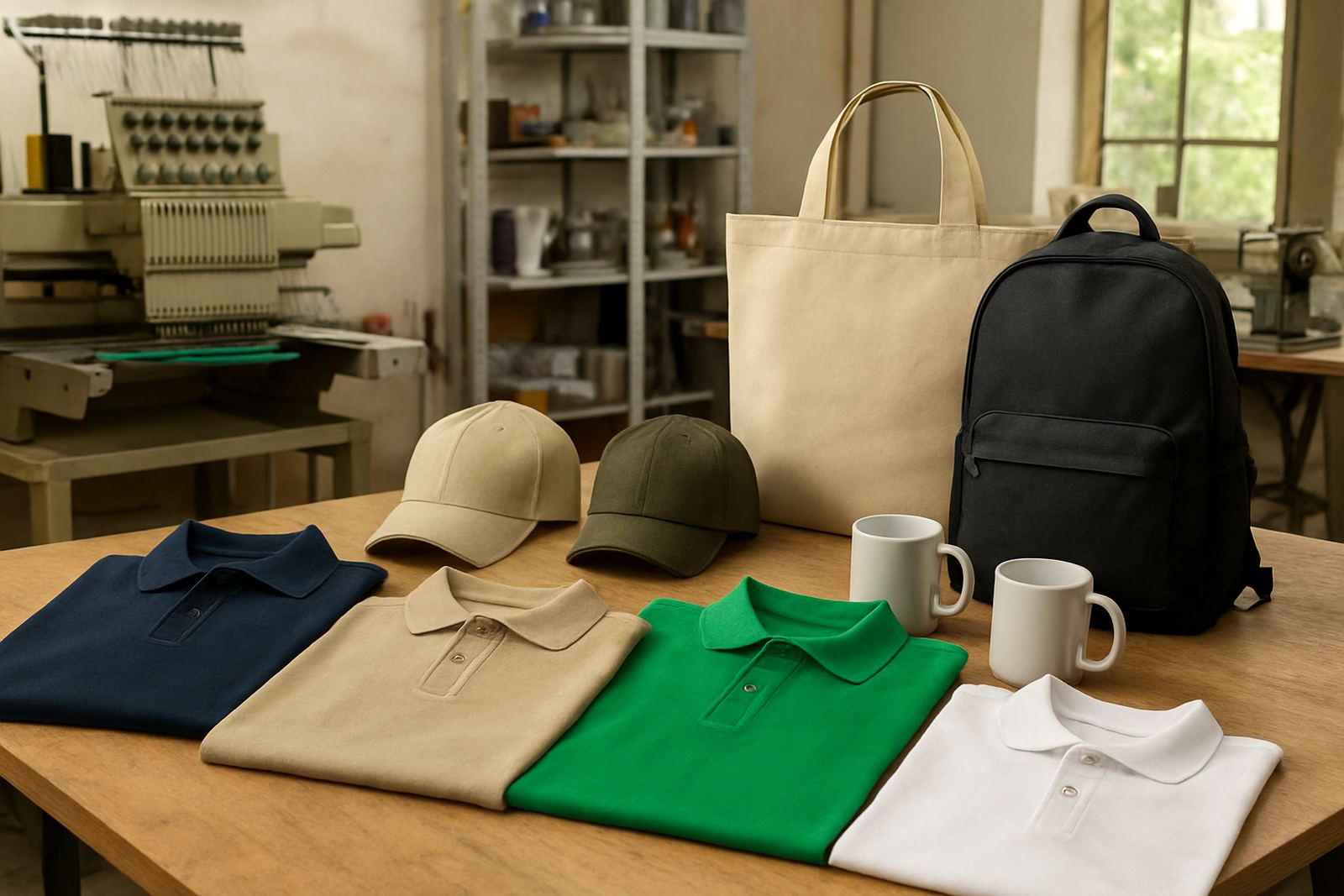
- Easy to pair with a branded T shirt or golf shirt underneath
- Suitable for embroidery on chest, back neck or sleeve
- Often the easiest option for bulk reorders and size matching
When jackets make sense in the Lowveld
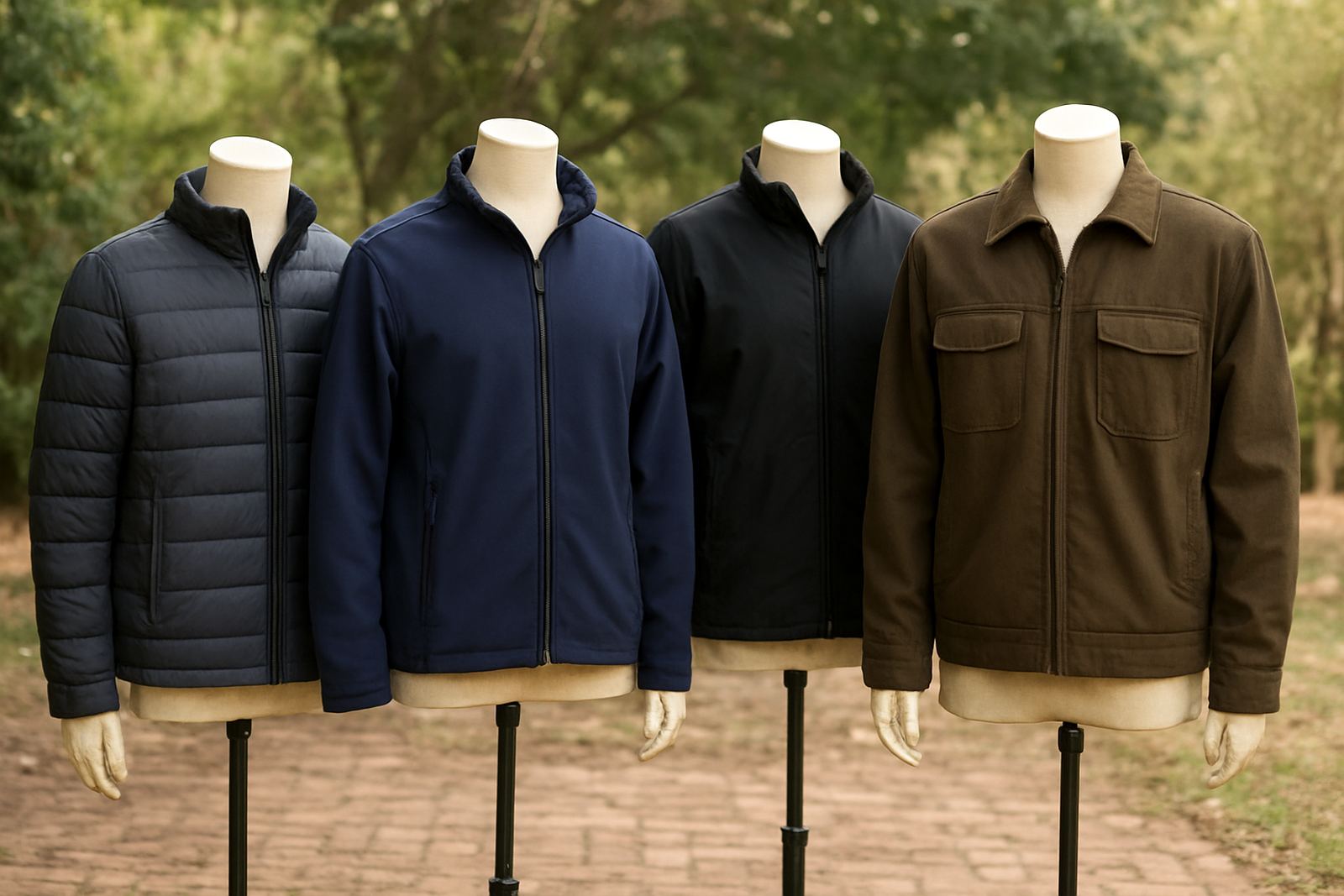
Jackets are not only for cold weather. They are useful for early starts, air conditioned stores, rainy days and teams that work outdoors before sunrise. In the Lowveld, a jacket needs to breathe well, dry reasonably fast and stay neat after a day in a vehicle or on site. For contractors moving around Mbombela, Nelspruit Central and Ngodwana, a light jacket can pull a work outfit together without adding too much bulk.
Check whether the jacket will sit over other workwear, because the fit changes when worn over a shirt or jersey. Zips, cuffs and pocket placement matter more than many buyers realise. If the garment will be embroidered, make sure the fabric is stable enough to support the stitching. Thin, stretchy material can pucker, especially if the logo is large.
Choose fabric and branding for local conditions
Fabric choice should be tied to the site conditions and to how often the garment must be washed. Cotton blends are common because they breathe better and still wear well. Polyester rich fabrics dry quickly, which helps where laundry turnaround is tight or where load shedding affects dryers and ironing schedules. For dusty work areas, darker colours can stay presentable longer, though light colours may suit schools and customer facing teams better.
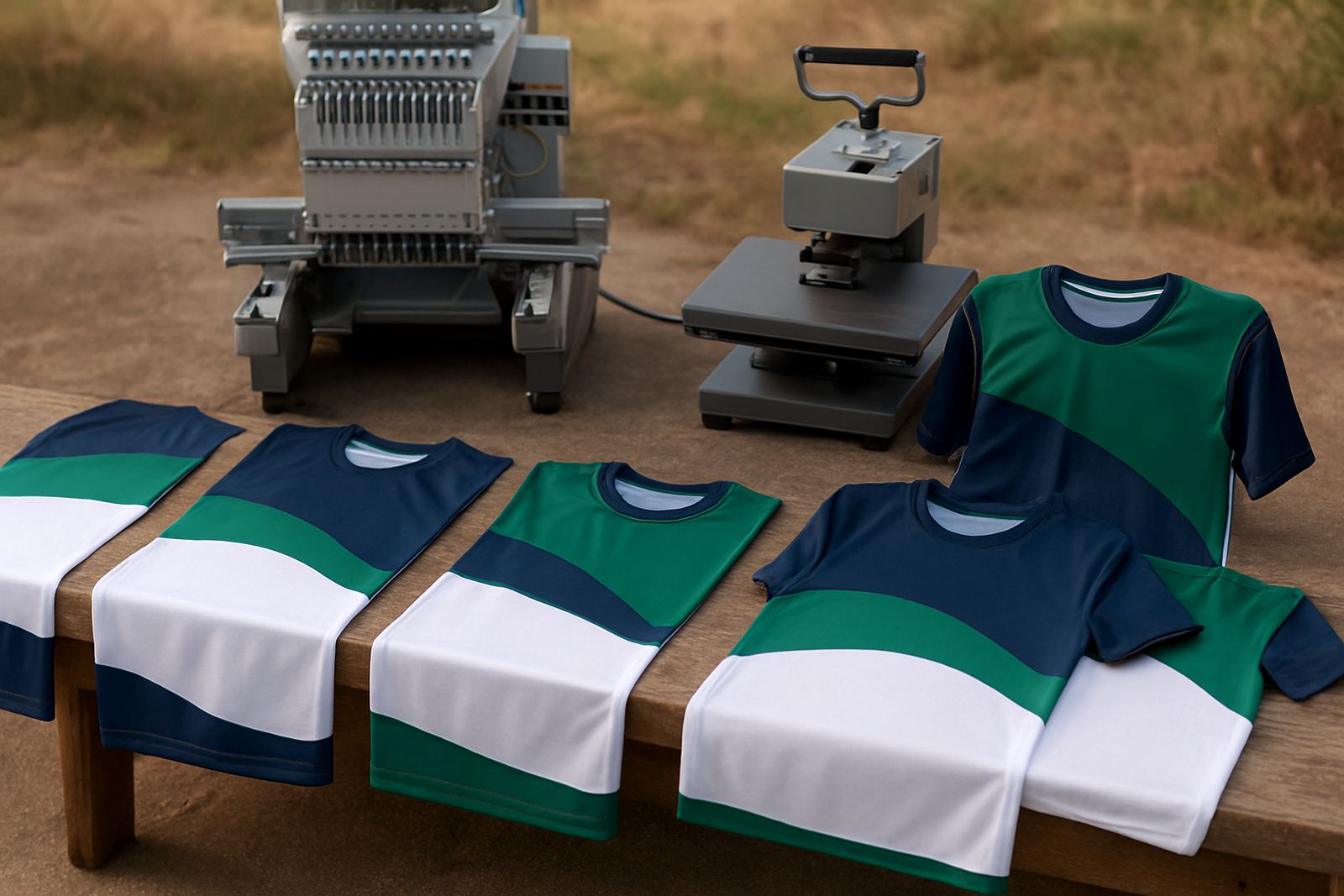
Branding should match the garment and the use. Embroidery gives a clean finish on thicker items, while screen printing suits larger logos on flatter surfaces. Sublimation works well for full colour designs on suitable clothing. If the order includes names, department titles or role marks, keep the text readable from a short distance. Small, crowded logos dont hold up well on busy workwear.
- Hot, dusty sites: choose breathable fabric and practical colours
- Rainy or early morning work: consider a light jacket or water resistant layer
- Heavy washing: ask for stitching and print methods that last
- Customer facing use: keep branding neat and easy to read
Sizing, approvals and packing without delays
Good workwear ordering starts with proper sizes. A quick guess usually leads to returns, delays and unhappy staff. Collect size samples where possible, especially for larger orders across several branches or sites. If your team is spread across White River, Malelane and Barberton, set a deadline for size collection and nominate one person to sign off the final list. That avoids confusion later on.
We also recommend mock ups and approvals before production begins. This is where the logo position, spelling, colours and garment type are checked in one place. Once approved, the order can move into production and bulk packing. For multi site deliveries, separate packs by department or staff name so distribution is simple and there is less room for mix ups.
- Collect sizes before confirming the full order
- Approve the artwork, wording and placement before production
- Ask for separate packing if the order goes to more than one branch
- Keep one contact person responsible for final sign off
A simple checklist before you place the order
If you are still deciding between overalls, conti suits and jackets, use this short checklist. It will help you match the garment to the work and avoid overbuying features the team will never use. The aim is not to spend the most, but to buy the item that keeps its shape, carries the branding properly and suits daily wear.
As a final step, compare the budget per wearer, not only the price per garment. A better fitting item that lasts longer often gives better value over a full season. For schools, workshops and business teams across the Lowveld, that usually matters more than chasing the cheapest option.
- What task will the garment support every day?
- Is the site hot, dusty, wet or rough on clothing?
- Does the team need full coverage, a neat uniform look or lightweight layering?
- Will the branding be embroidery, printing or a mix of both?
- Have sizes, approvals and delivery points been confirmed?