Screen Printing for Bulk Apparel in the Lowveld
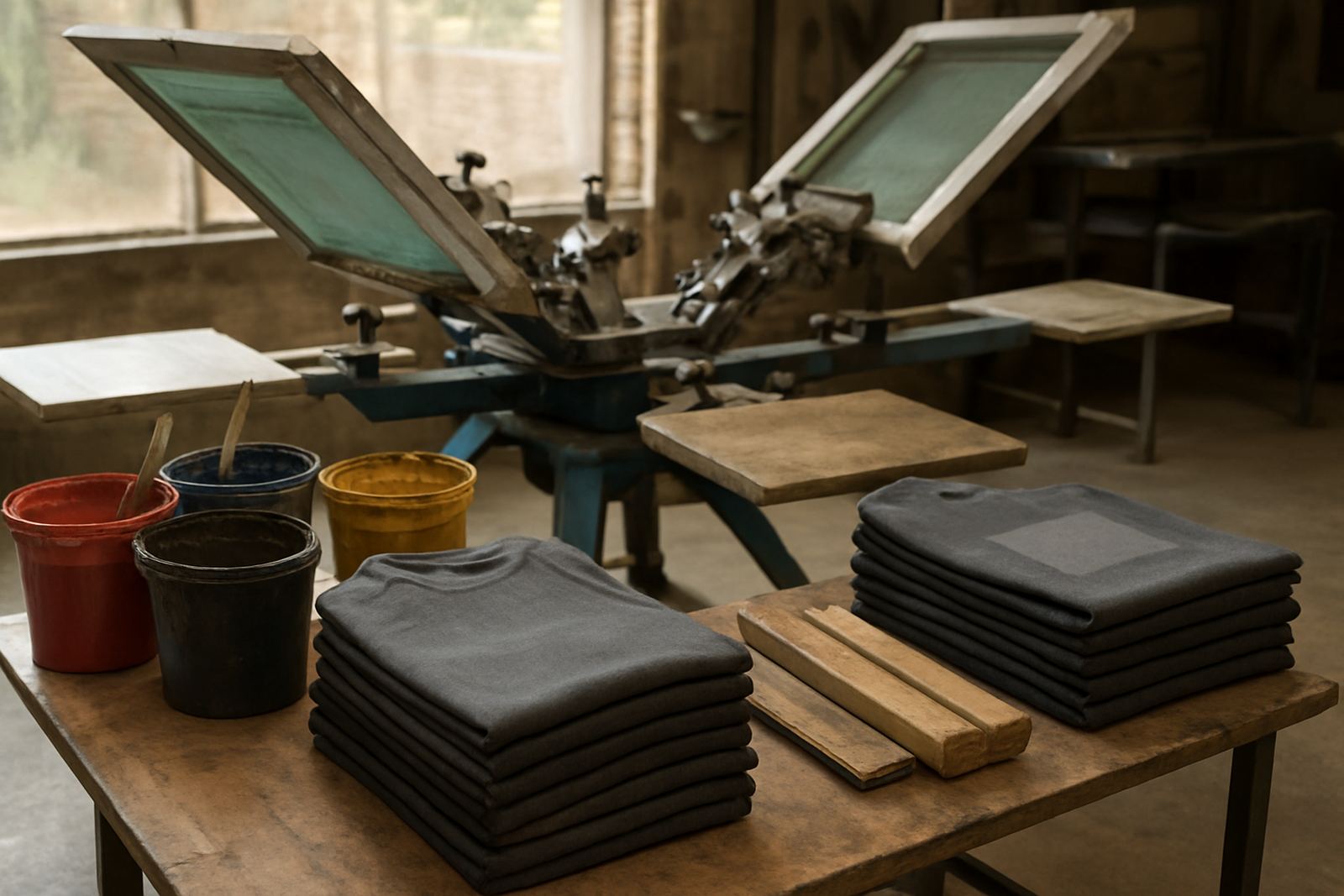
Screen printing suits larger orders where the same design must be repeated neatly across T-shirts, golf shirts, hoodies, tote bags and similar items. It is a practical option for teams, schools, campaigns and trade events because the ink sits well on the fabric and the finish holds up well through regular wear and washing. For simple logos, bold text and one to four colour artwork, it is often the most economical choice per unit.
We print for clients in Mbombela, Nelspruit Central, White River, Hazyview, Malelane, Barberton, Kabokweni and Ngodwana, with collections and dispatch arranged around order size and the urgency of the job. In the Lowveld, heat, dust and long delivery distances can affect timing, so we plan production properly and keep communication straightforward.
- Best for 20 plus units, and especially effective at 50, 100 or more
- Works on cotton, cotton-rich blends and selected technical fabrics
- Suitable for school events, staff wear, marketing campaigns and safety teams
- Prints can be placed front, back, sleeve or pocket area depending on the garment
What Is Included in a Screen Printing Order
Every order starts with the artwork and the garment details. We check the logo, the number of colours, the size of the print, the fabric type and the final quantity. If the artwork needs adjustment for print, such as cleaning up thin lines or separating colours, we prepare that before production starts. This helps avoid waste and keeps the result neat and consistent.
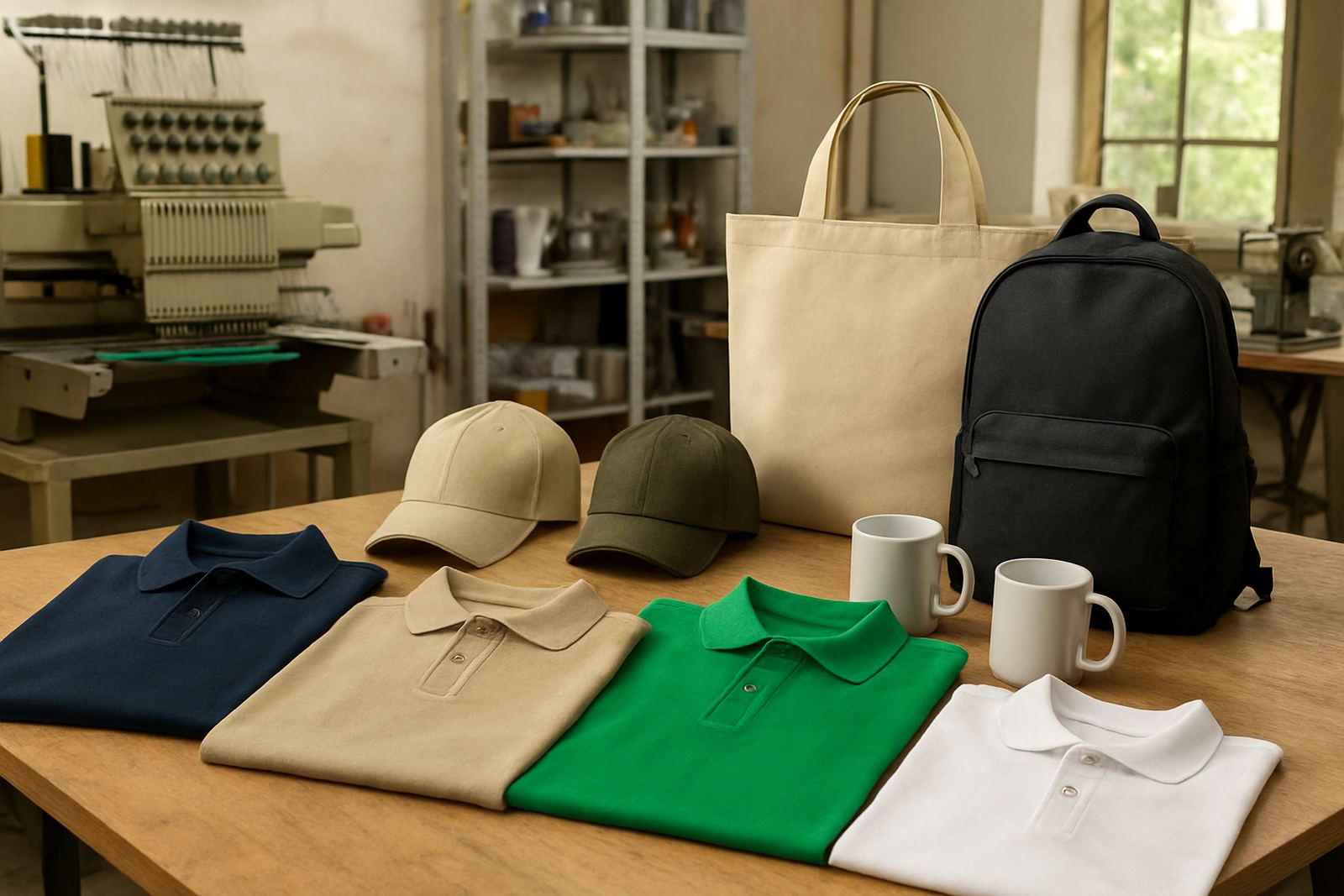
For approved orders, we handle the full production flow from screen preparation to final packing. That includes ink selection, print placement, press setup and quality checks during the run. Where needed, we can also combine screen printing with embroidery, cap branding or bag branding on the same order if the client needs different decoration methods.
- Artwork review and print suitability check
- Mock-up showing placement and size before production
- Screen setup for each colour in the design
- Quality inspection for registration, colour coverage and finish
- Bulk order packing for easy distribution to branches, classes or teams
Our Screen Printing Process from File to Finished Garment
We keep the process clear so that procurement teams, school administrators and business owners know what happens at each stage. After the enquiry comes in through the contact page, we confirm the garment type, quantity and artwork. If needed, Johan and the production team prepare the logo for print and send through a mock-up. Once approved, the job moves into production.
Screen printing is a careful process. Each colour is separated, transferred to a screen and printed in sequence so the design lines up correctly. After printing, the garments are dried and checked before packing. For multi-colour logos, alignment matters a lot, so we inspect the run as it progresses and not only at the end. That keeps the finish consistent across the full order.
- Step 1: Enquiry and order brief
- Step 2: Artwork check and quotation
- Step 3: Mock-up and approval
- Step 4: Screen making and test print
- Step 5: Full production, drying and final inspection
- Step 6: Packing and collection or dispatch
Artwork, Garment Specs and Print Guidelines
Screen printing gives the best result when the artwork is prepared with the method in mind. Clean vector logos, bold type and defined shapes print more reliably than very fine detail. If a design has gradients, photo effects or too many small colour changes, we will advise whether a different method may suit the job better. The goal is to get a print that looks good and lasts properly, not to force a design into the wrong process.
We work with a practical set of print limits and garment requirements so that clients know what to expect. On standard apparel, print areas are often set according to garment size and placement needs, and we confirm that before production. In some cases a left chest print is ideal, while in others a larger back print gives the right impact. If the order includes schoolwear, we also take care that the print size suits the garment proportion and age group.
- Typical print size ranges from pocket size to full back artwork
- Best on light and mid weight garments with a stable surface
- Most cost effective for single colour and limited colour artwork
- Placement can be standard front, back, sleeve or shopper bag areas
- Artwork should be supplied cleanly where possible, to reduce setup time
Turnaround, Scheduling and Order Volumes
Turnaround depends on quantity, the number of colours, garment availability and how quickly the artwork is approved. Smaller urgent runs can move quickly if the design is simple and the stock is on hand. Larger orders, or jobs with several print positions, need more production time and drying space. In Mbombela, load-shedding and courier timing can also affect planning, so we build realistic lead times into the schedule instead of promising something that cannot be delivered properly.
For bulk apparel runs, it helps when clients finalise sizes early and send the full order split at the start. That avoids delays at packing stage. We also recommend allowing time for school events, year-end functions and corporate launches, especially during busy periods when many local businesses and schools need the same service at once.
- Lead time depends on quantity and artwork approval
- Urgent runs are possible for simple jobs with stock ready
- Bulk jobs should be booked early for best production slots
- Size breakdowns and colour choices should be confirmed before printing begins
Pricing, Care and When to Reprint
Screen printing is priced by a combination of factors: garment type, quantity, number of print colours, print positions and whether any artwork preparation is needed. The unit price usually improves as the quantity increases, which is why the method suits larger runs. We quote clearly so clients can compare options and understand where the money is going, especially if the order includes mixed sizes or mixed garment styles.
After delivery, care is important if the print must stay sharp. Most printed garments should be washed inside out in cool water, dried away from harsh direct heat and ironed carefully on the reverse side if required. If a set of uniforms or event shirts gets heavy weekly use, plan for maintenance intervals or reorders based on wear, not only on age. That is especially useful for school teams, hospitality staff and outdoor crews where garments get frequent washing and sun exposure.
- Pricing is quoted per garment and adjusted by order size
- Setup costs are spread better on larger runs
- Simple one colour prints are the most economical option
- Frequent-use garments may need replacement or top-up orders each term or season
- Care instructions should be followed to preserve colour and print clarity
Key facts
| Service area | Mbombela, White River, Hazyview, Malelane, Barberton, Kabokweni and Ngodwana |
|---|---|
| Typical order size | Best suited to 20 garments and upward, with stronger value on larger runs |
| Common products | T-shirts, golf shirts, hoodies, workwear, schoolwear and tote bags |
| Print placement | Front, back, sleeve, pocket area and selected bag panels |
| Artwork type | Best with bold logos, text and limited colour designs |
| Turnaround factors | Quantity, artwork approval, garment stock and number of colours |