Start With The Full Size Range Before You Order Anything
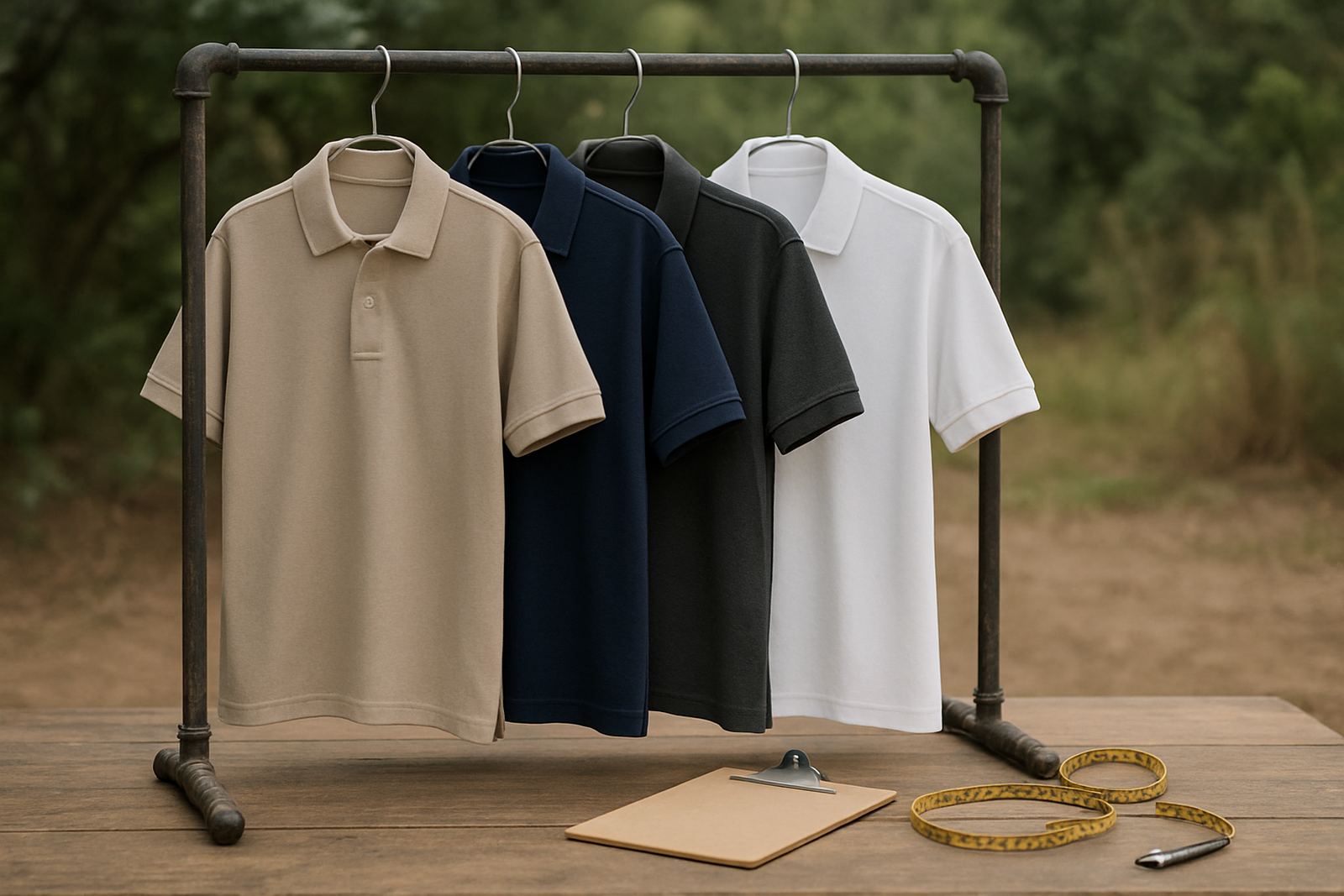
The first step is not to guess who wears what. It is to work from a proper size range and decide which garments are needed before any names are written down. Whether you are ordering corporate shirts for a team in Mbombela or sports wear for a school in White River, a clear size list prevents shortfalls and awkward exchanges later.
Ask your team or group to choose from the actual garment sizes on offer. Do not rely on old jacket sizes, jeans sizes or a rough eye measurement. A medium in one style can fit very differently from a medium in another, especially with golf shirts, jackets, trousers and tracksuits. If the clothing will be worn over other layers during winter mornings in the Lowveld, leave a little room for movement.
As a rule, keep the size list tied to the exact item being ordered. That means separate counts for shirts, trousers, skirts, dresses, caps and jackets. If the order includes both men’s and ladies’ cuts, note that clearly so the packing team can prepare the right mix without confusion.
Use A Simple Sizing Sheet That People Can Actually Complete
The easiest way to collect sizes is with a short sheet that can be filled in quickly. Long forms get ignored. A good sheet should ask for the person’s name, garment type, size and if needed, whether the fit should be more relaxed or fitted. For schools and staff orders, a simple table works well and can be sent around in print or digitally.
When collecting sizes from a larger group, use one coordinator. That could be an office manager, teacher, team leader or department head. One person following up on missing sizes is far more effective than six people asking the same question. It also helps avoid double entries and mixed-up names.
- List the garment type first, then the size
- Use one naming system for everyone, such as S, M, L or numeric sizes
- Ask for exact quantities per size, not just a total head count
- Set a clear cut-off date so the order can move forward
If there are children or learners involved, collect sizes by age group only as a back-up. Actual measurements or tried-on sample sizes are still better than assumptions.
Check Fit Against The Way The Clothing Will Be Worn
Fit is not only about chest size or waist size. It is also about how the item will be used every day. A receptionist wearing a branded shirt in an air-conditioned office may want a neater fit, while a warehouse or site team may need extra room for movement. If the order is for school wear, remember that children grow quickly and parents often prefer a bit of growing room.
For items like hoodies, soft shells and jackets, ask whether the wearer wants to wear it over a T-shirt or a thick top. In the Lowveld, mornings can be cool and afternoons warm, so many teams prefer a layer they can remove later. That means the sizing should allow for comfort without looking oversized.
Another point to check is shrinkage. Garments made from different fabrics can settle differently after washing, so it is wise to allow for a small adjustment when needed. This is especially important for bulk orders where nobody wants to discover after delivery that a large batch sits too snugly.
If the order includes embroidered or printed branding, the placement also matters. A close-fitting garment can affect where a logo sits on the chest, sleeve or back panel.
Use Samples Before You Confirm The Full Quantity
When the order is substantial, a sample set can save the day. Even a few sample garments in common sizes can help people compare fit before the rest of the order is locked in. This is useful for businesses in Malelane, Barberton or Hazyview where staff may be spread across different sites and not everyone can come in at once.
If samples are not possible, ask people to compare against a known garment they already own and wear regularly. That works better than standing by memory. For example, an employee may say they wear a large, but on checking it may be an extra large in the cut being ordered.
- Try on the actual style where possible
- Check shoulder width, sleeve length and shirt length, not just the chest
- Ask a few people to test the fit in real working conditions
- Keep notes so future orders are easier
Once the sample fit has been approved, keep that record on file. It helps when you place repeat orders for the same school, company or club later in the year.
Plan For Schools, Clubs And Staff Groups Separately
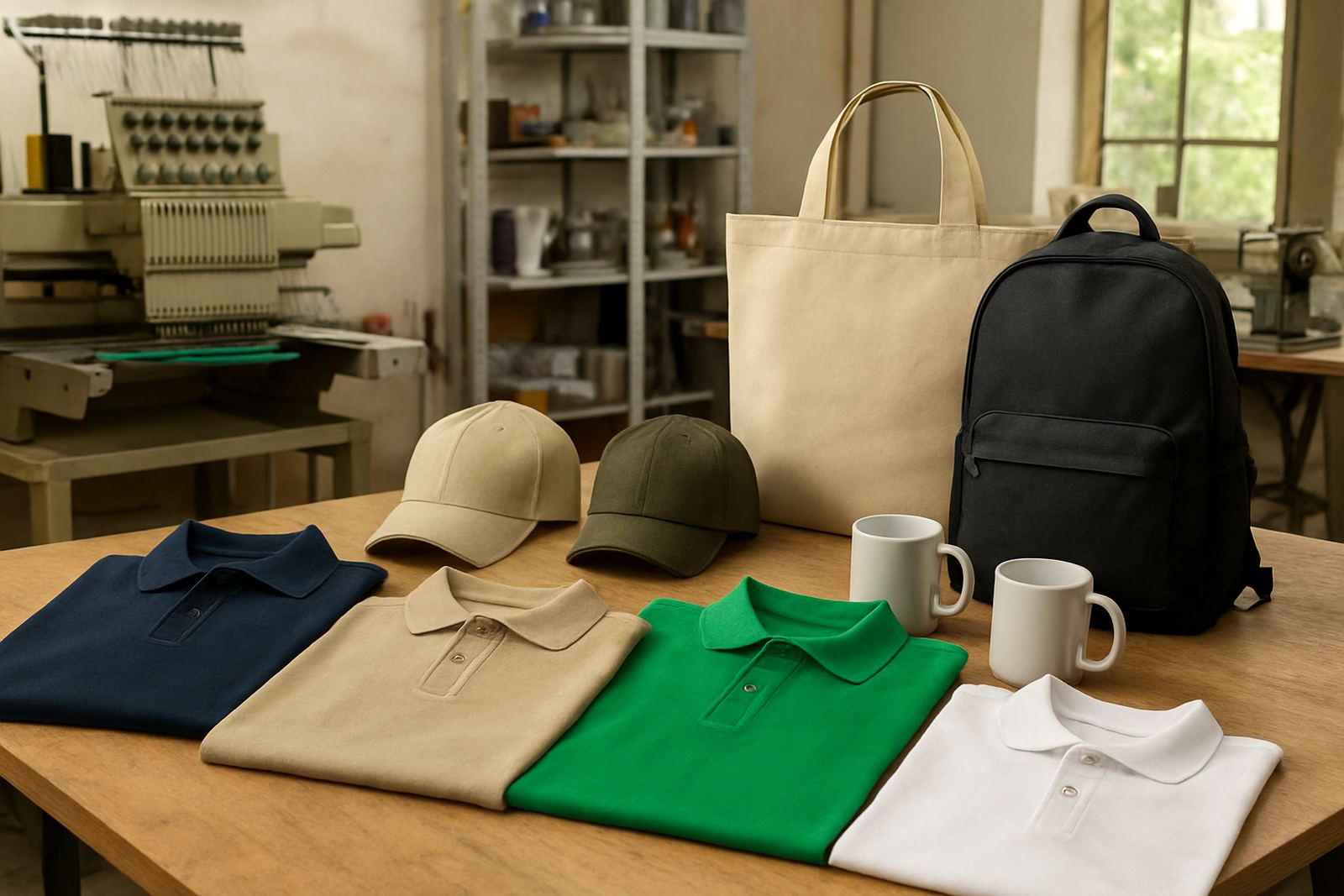
Different groups need different sizing methods. Schools often need a mix of learner sizes, teacher sizes and sports sizes. Corporate clients may need office wear, site wear and promotional clothing all in one order. Clubs may have a lean size profile, but still need a little flexibility for new members. Treating all of these as one list is where mistakes usually start.
For school orders, sort by grade or age group, then confirm against the clothing size chart. For businesses, split the team into departments if the clothing differs by role. For example, the front office may need shirts and knitwear while the field team needs durable work shirts and caps. Each group should be counted on its own.
A clear note on special sizing is also useful. If someone needs a longer length, a smaller fit or a larger cap size, mark it early. That avoids last minute changes when the bulk order is already in production and packing.
In rural and semi-rural areas around the Lowveld, delivery times can be affected by road conditions, municipal schedules and load-shedding timing, so it helps to finalise sizes before the order is urgent. The more complete the list, the easier the handover.
Why Accurate Sizing Matters For Branding And Budget
Getting the size wrong costs more than just an exchange. It can delay a staff launch, interrupt a school event or leave part of a team wearing plain clothing while the rest is already branded. In a bulk order, one missing size can throw off the whole pack count and cause extra courier charges or a second round of sorting.
Accurate sizing also protects the budget. If too many small sizes are ordered and the team actually needs larger sizes, the reorder may come at a higher cost because the first batch has already been completed. That is why a careful size check before production is the cheaper route every time.
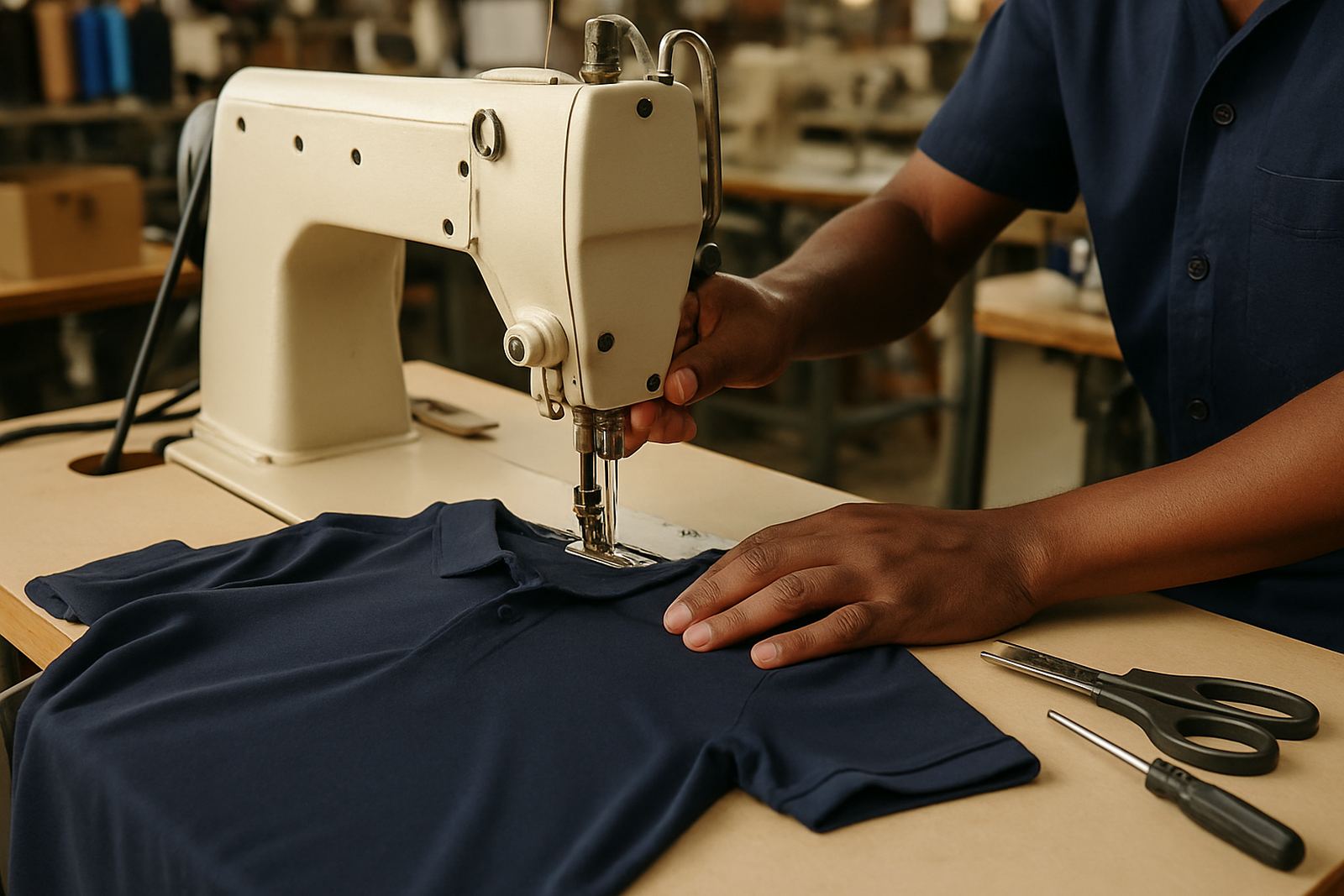
For branded garments, the fit affects the finished look as well. A logo that sits well on one size may need a different placement on a very small or very large item. A proper size schedule allows the production team to prepare the order neatly, and the packing team can group garments by person or department without mix-ups.
At CK Embroideries in Riverside, Mbombela, bulk order sizing is handled with the same practical focus used for embroidery, screen printing and corporate wear supply across the Lowveld. The aim is simple: correct quantities, correct sizes and a clean handover that is ready for use.