Why municipal uniforms need to do more than look tidy
For municipal work, clothing has to support recognition, safety and accountability. When a team is moving between offices, depots, wards and sites, the uniform helps the public know who to speak to and helps supervisors identify the right people at a glance. It also keeps crews looking organised during council meetings, road inspections, metre checks, cleansing routes and community events.
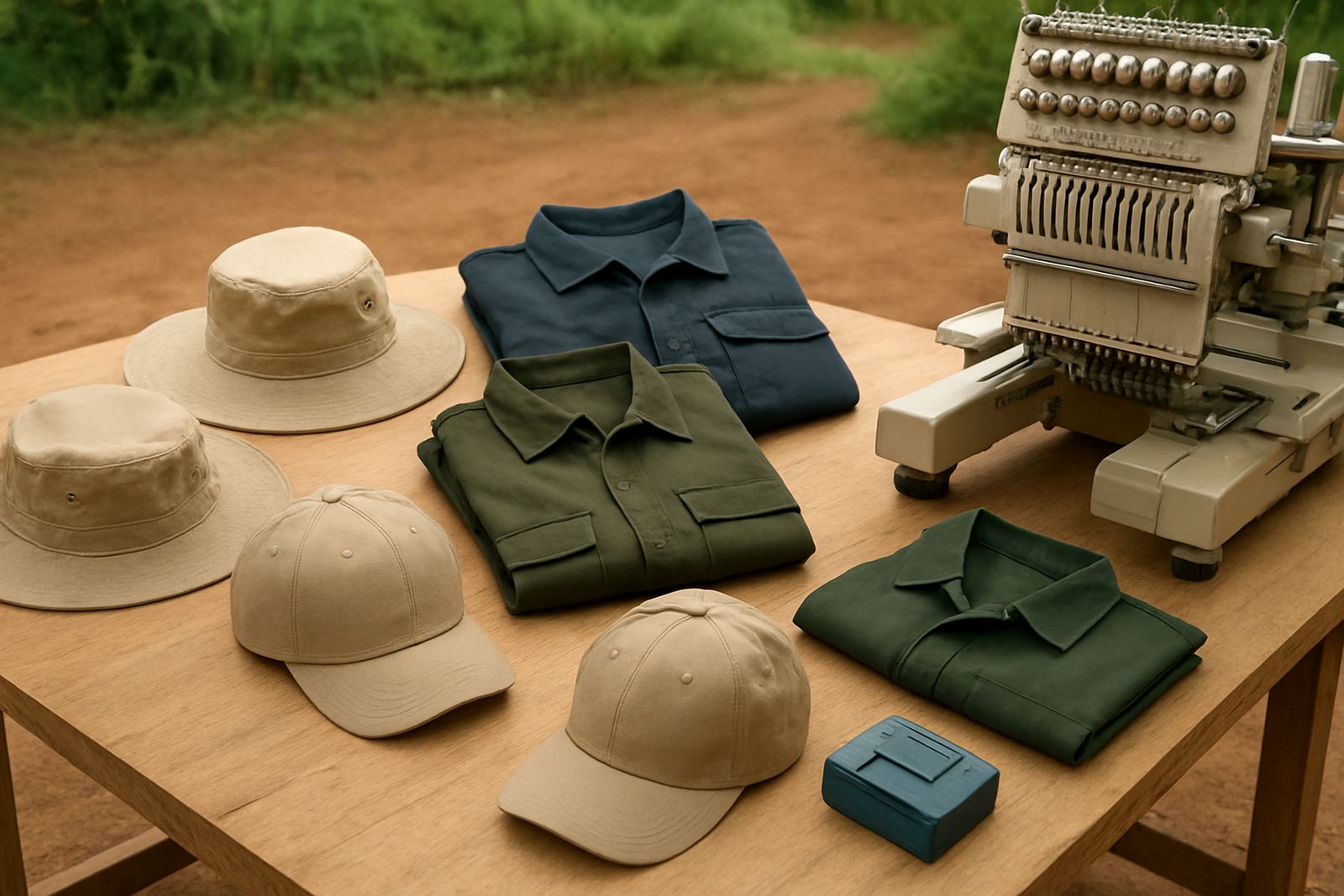
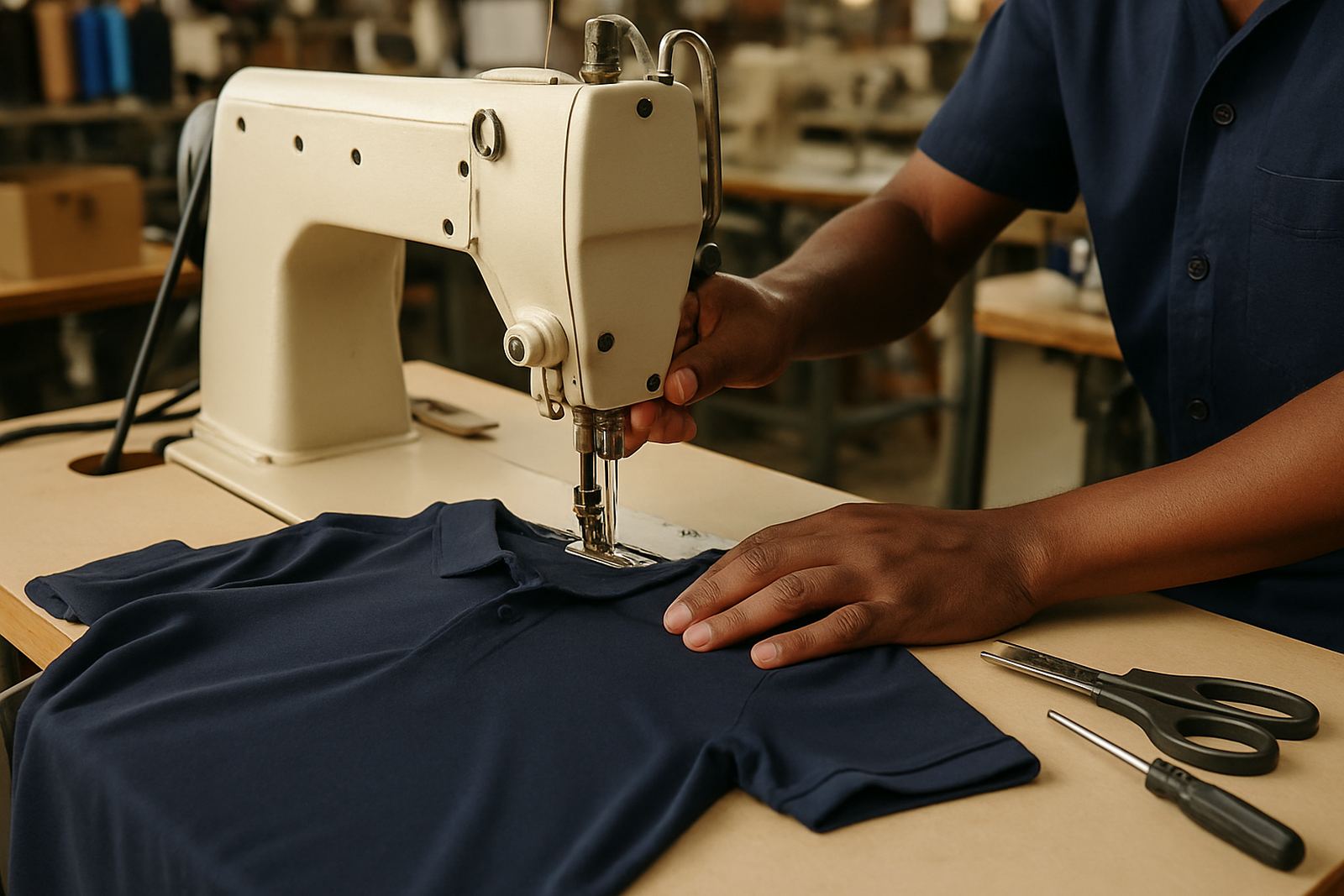
We work with municipalities, service providers and public-sector teams that need practical garments rather than fashion pieces. That means shirts that can take embroidery without puckering, workwear that can handle daily washing, and branding that stays legible after long use. In the Lowveld, heat and dust can be hard on clothing, so fabric choice matters just as much as the logo placement.
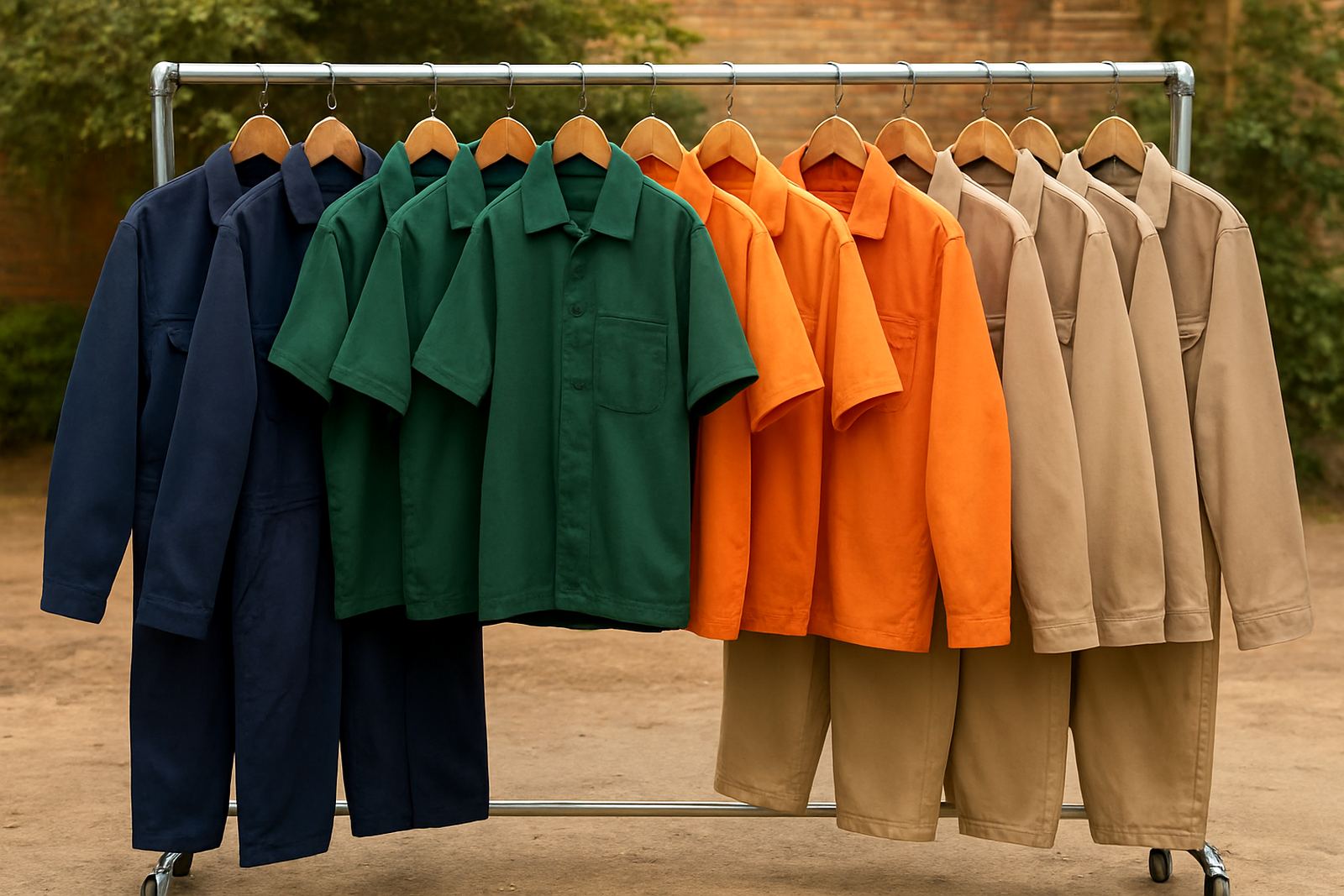
Some teams also need colour-coded roles. A field supervisor may need one colour, a driver another, and front office staff something more formal. This makes it easier to keep order across departments and shift changes, especially when teams are large and spread across different branches.
Common garments for public service teams
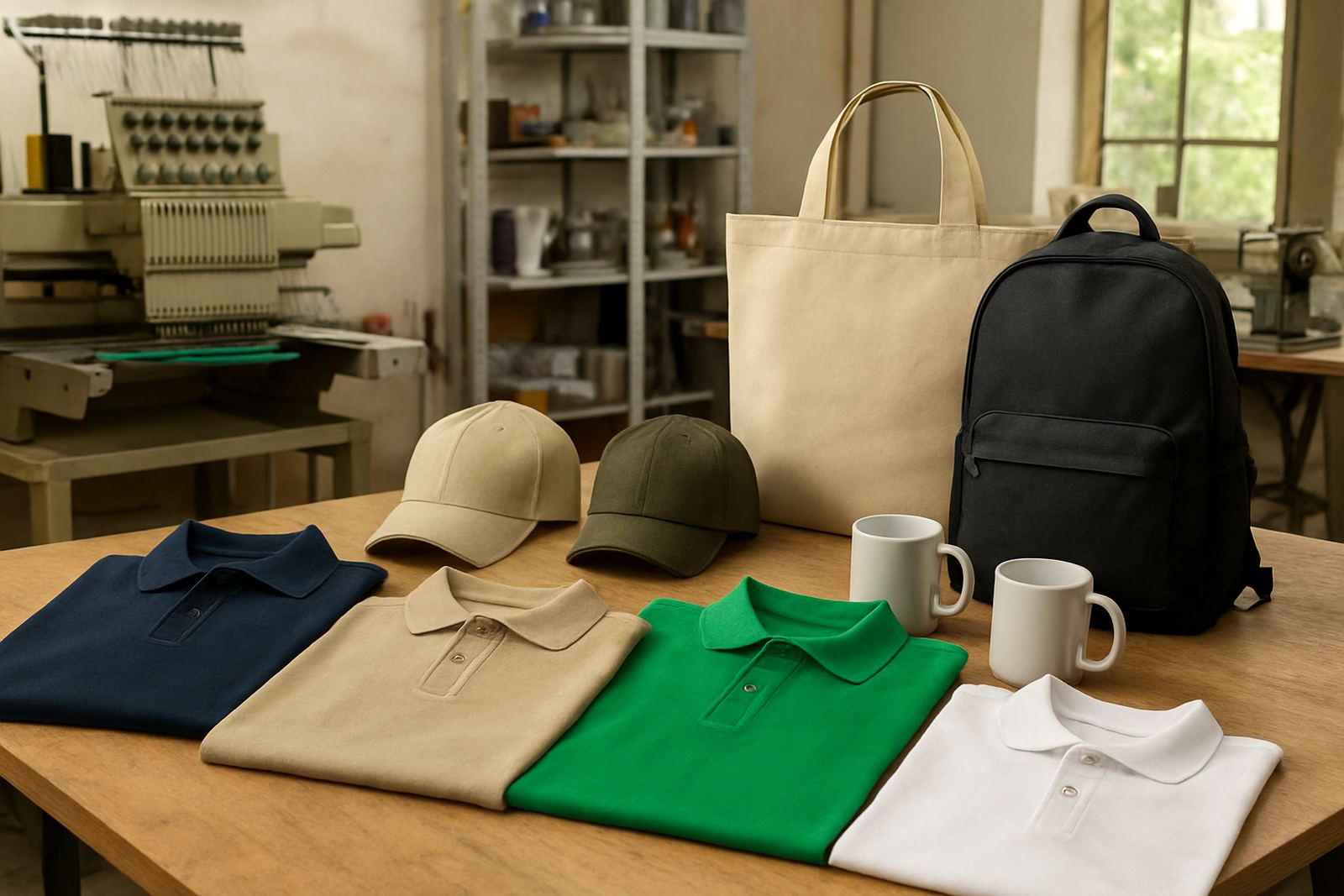
Different departments need different clothing sets. A planning office may only need shirts and golf shirts, while a water or roads team may need heavier items with reflective detail. We can brand supplied garments or source clothing for bulk orders where needed. The aim is to keep sizes consistent, branding neat, and repeat orders simple.
- Golf shirts and button-up shirts for front office, inspectors and supervisors
- Reflective work shirts and trousers for maintenance and field crews
- Caps and brimmed hats for sun protection during outdoor work
- Soft-shell jackets or fleece tops for early starts and colder months
- Tote bags, file bags and promotional items for events and awareness days
- Aprons and branded overalls for workshops, depots and cleansing teams
For school support programmes or community campaigns, we also supply branded T shirts and caps in larger volumes. If you need one style for the whole department or a mixed set for several teams, we can separate the order by size, colour and role so packing is straightforward.
Branding methods that suit municipal use
Not every garment should be branded the same way. Embroidery is usually best for shirts, jackets, caps and items that need a neat finish over time. Screen printing is useful for simpler logos and larger flat areas. Sublimation suits full colour items and garments made for specific campaigns or event wear. For bags and gifts, the method depends on the surface and how the item will be used.
We start with logo digitising where needed, then prepare mock-ups for approval before production. This matters on municipal work because there may be a logo standard, a department name, or a requirement to keep the branding very exact. A small change in thread colour or placement can make a uniform look wrong, so we check details before the first run.
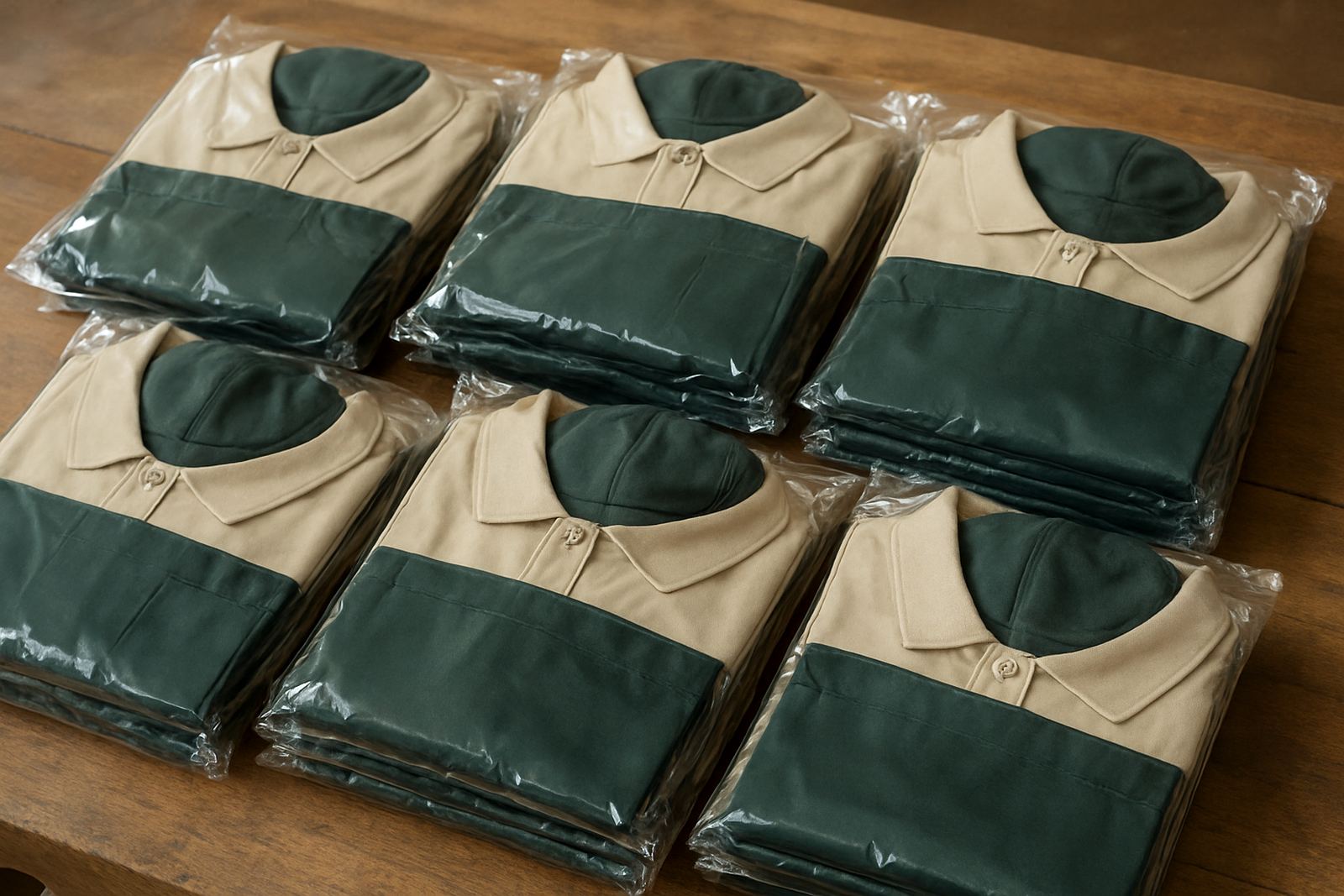
Typical setup for a municipal order includes the garment itself, the correct branding method, size separation, name personalisation if needed, and packed bundles by department or team. If the order is for a public event, we may also label items for easy issue on the day.
Layout planning for teams across branches and depots
Municipal orders go wrong when the plan is too vague. The best results come from deciding early who wears what, how many of each size are needed, and whether names, titles or department names should appear on the clothing. This avoids rework and keeps the distribution simple when garments must be issued across several sites.
For teams in Mbombela, White River, Hazyview, Malelane, Barberton, Kabokweni and Ngodwana, we often recommend a department-by-department split. That makes it easier to handle deliveries, manage approvals, and reduce confusion when staff move between offices and field stations. It also helps if there are staggered issue dates or different budget lines per department.
- Confirm the full size run before production starts
- Agree on logo position, thread colours and garment colour
- Separate field wear from office wear so each team gets the right item
- Keep one approved sample image for future reorders
- Mark cartons clearly for branch, department or shift
Bulk packing is especially useful for municipalities because it keeps the issue process tidy. Instead of sorting a mixed pile later, each set can be packed for a specific team or branch. That saves time and reduces missing items. It also makes stock control easier if your stores team needs to sign items out.
Budget ranges for municipal clothing orders
Budgets vary based on garment type, branding method and quantity. A small run of branded shirts for a section manager team costs differently from a full rollout for field staff. As a working guide, embroidered golf shirts may start from around R140 to R220 each, depending on the garment and stitch count. Screen printed T shirts can often be kept in the R80 to R160 range, while caps and simple gifts usually fall below that, depending on the item.
Heavier corporate wear, jackets and reflective garments sit higher because the materials and branding take more time. For larger municipal orders, unit prices usually improve once the quantity moves into bulk, especially above 50 or 100 pieces. If you need mixed items, we can split the budget across office wear, field wear and promotional items so the spend stays sensible.
It also helps to budget for mock-ups, personalisation, and repeat stock. Some clients do one large issue each year, then top up by department when new staff arrive. That approach often works better than placing many tiny orders, because the branding stays consistent and the costs are easier to control.
Common mistakes that slow down public-sector orders
Most problems come from rushed approvals or unclear sizing. If the logo file is low quality, embroidery may lose detail. If a garment is chosen only for price, it may not suit daily wear in the heat, or it may fade too quickly after washing. If names and job titles are not checked, the final issue can become messy fast.
Another common issue is mixing departments without a clear packing list. When several branches, teams or suppliers are involved, it is easy for items to get separated. We avoid that by confirming quantities, setting out the order structure, and packing in a way that matches the issue plan. A little extra time at the start saves a lot later on.
For outdoor teams in the Lowveld, fabric weight and breathability also matter. Heavy clothing can become uncomfortable in hot weather, while very light clothing may not last. The right balance depends on whether the team is office based, on the road, or in the field most of the day.
What works well for repeat municipal orders
Once a municipality has an approved uniform standard, repeat ordering becomes much easier. We keep the logo setup, garment notes and branding position consistent so future top-ups match the original issue. That is useful for new staff appointments, seasonal campaigns and special projects where the same look must be maintained across multiple sites.
We also handle corporate wear for managers, branded wear for public events, and practical items for operations teams. If you need a single order for several departments, we can structure it so the goods are easy to receive, store and issue. Christopher Khumalo and the team at our Riverside base in Mbombela manage the process from digitising through to packing, with support from production, print and accounts.
For municipal teams, the best result is simple: clothing that looks orderly, lasts the distance and makes the staff easy to identify. That is what we focus on, from the first mock-up to the last carton.