
Start With The Garment And The Use
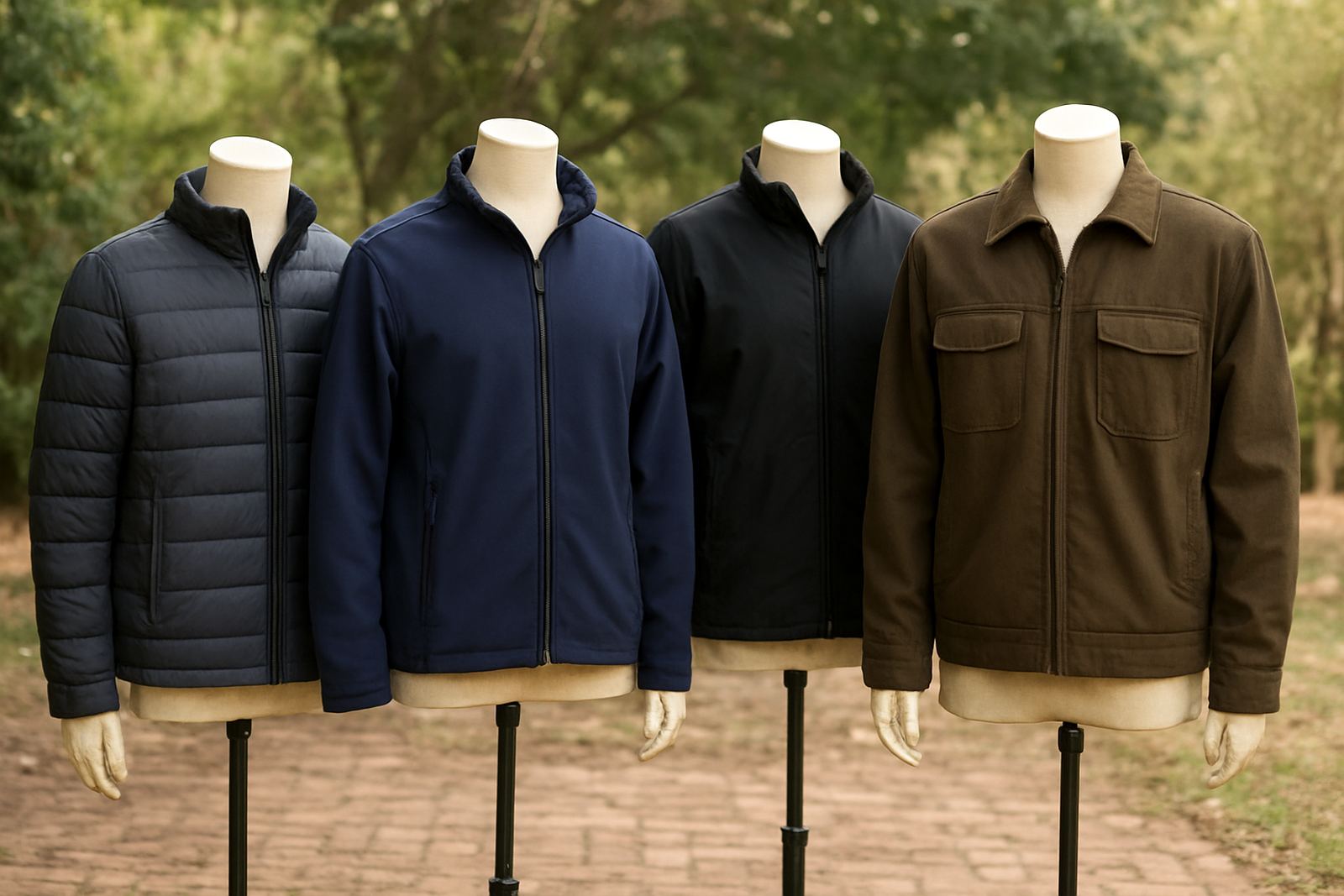
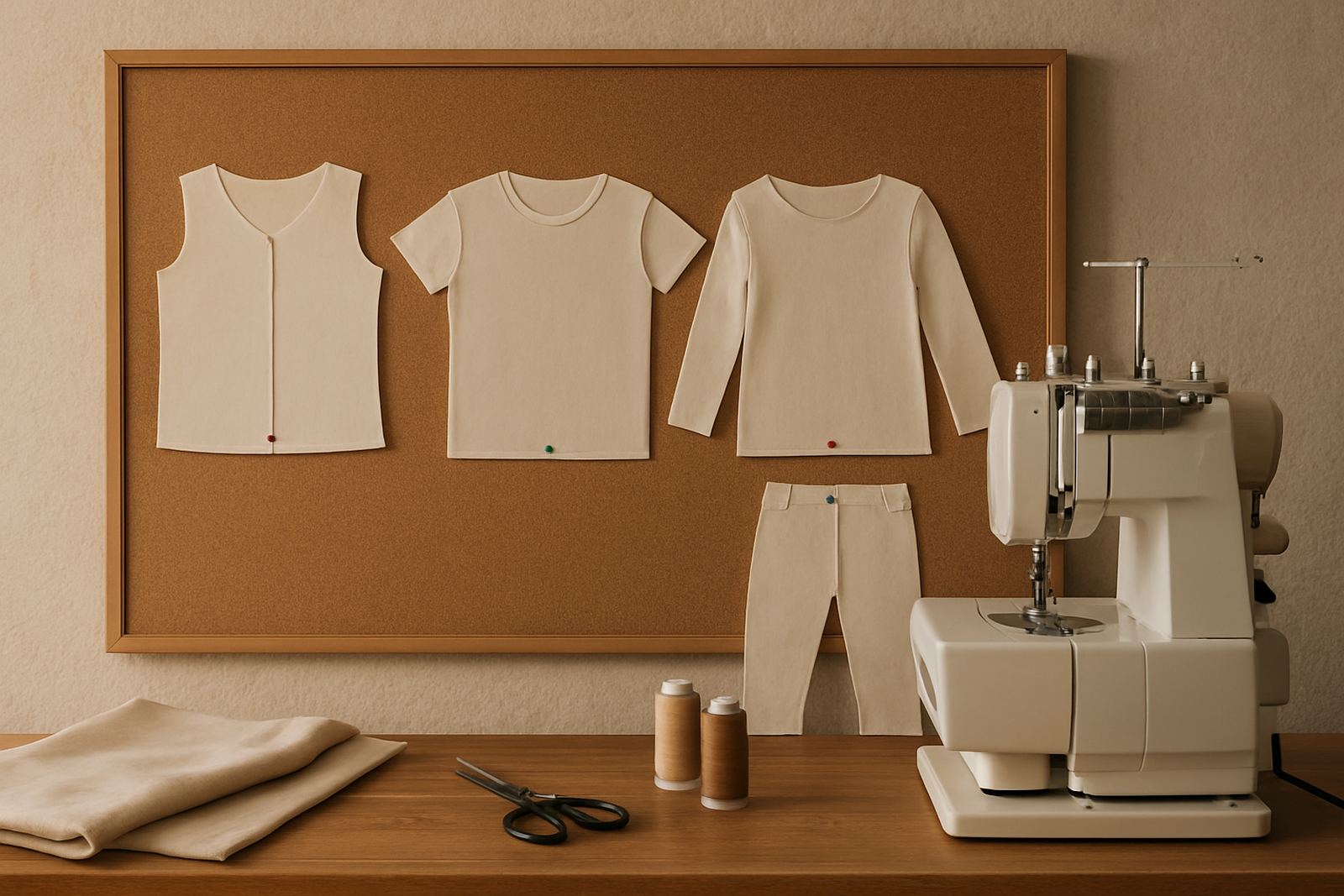
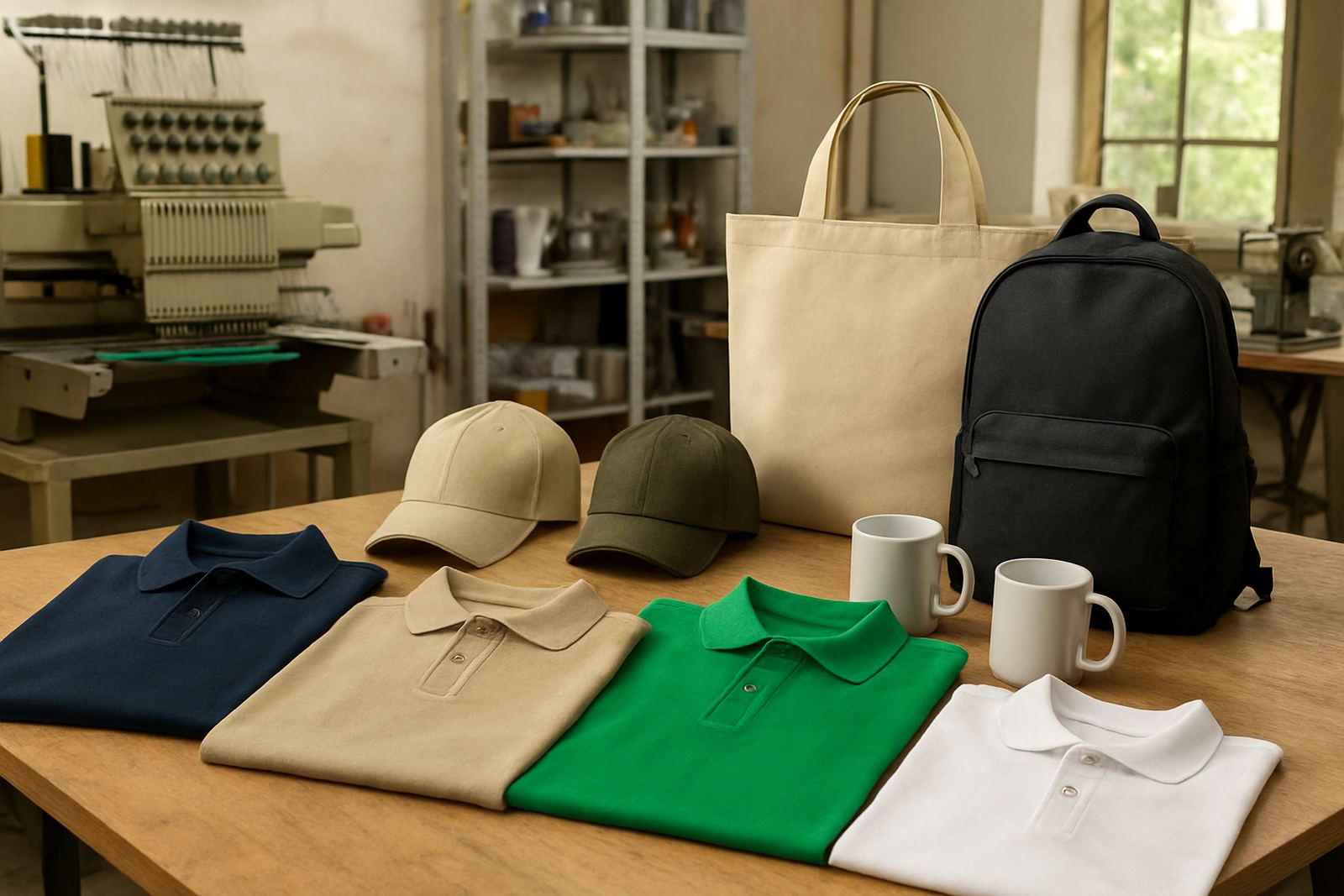
Before any logo is sized or stitched, we look at the garment itself and how it will be worn. A golf shirt, soft shell jacket, apron, cap or backpack all take branding differently, and the right position depends on fabric weight, seams, zips, pockets and how much movement the item gets during the day.
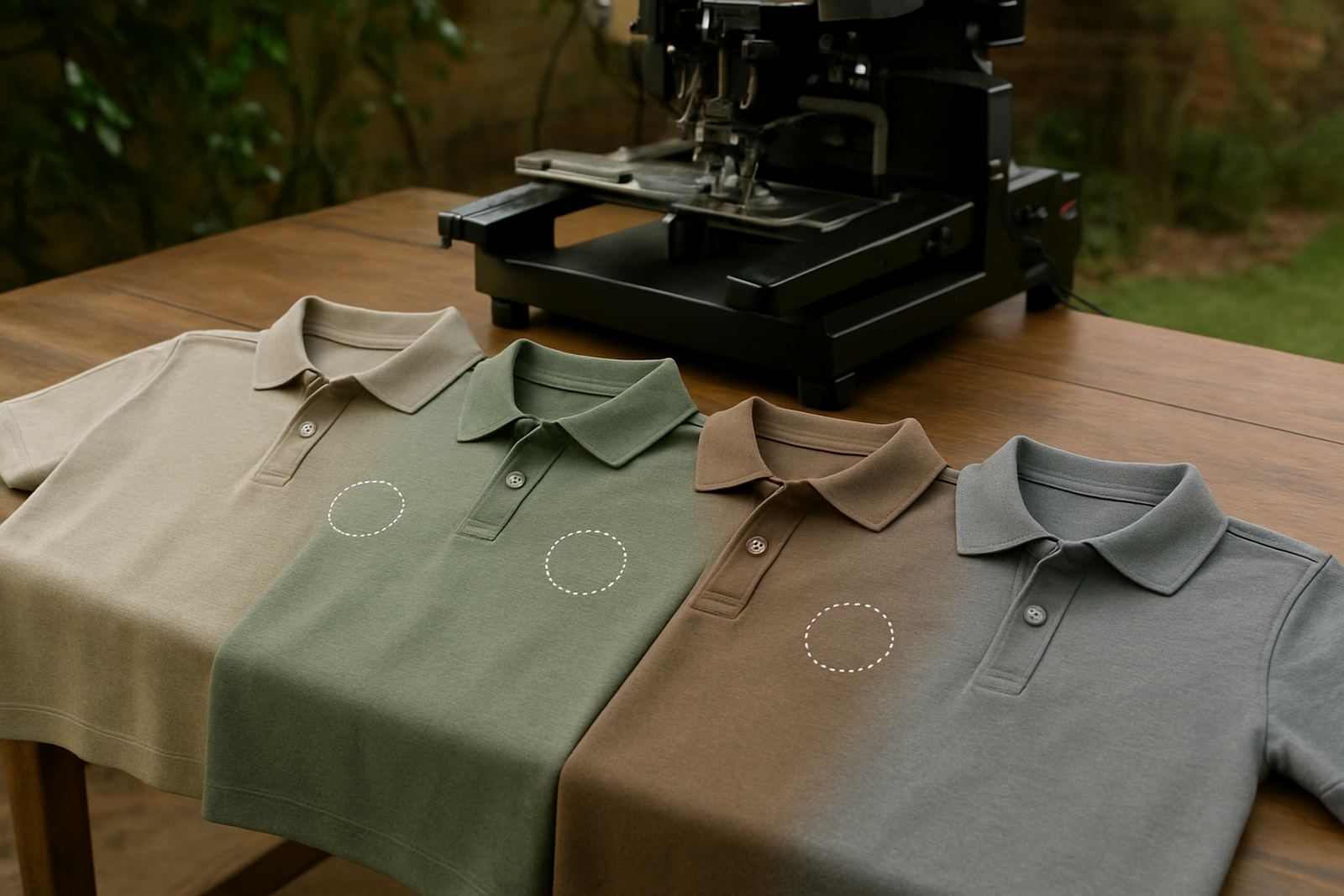
For offices and reception teams, a left chest logo is often the first choice because it sits neatly over the heart and stays visible when someone is standing, seated or wearing a jacket. For school wear, the position may need to leave space for names, house colours or grade marking. For workwear in the Lowveld heat, comfort matters as much as appearance, especially on breathable garments used in Mbombela, White River and Hazyview.
- Check the garment type first: knitwear, woven shirts, caps and bags each need different sizing.
- Look at seams, pockets, zips and panels before approving placement.
- Think about how the item will be worn during the day, not only how it looks flat on a table.
Left Chest, Right Chest And Centre Chest
The most common corporate placement is the left chest, usually about 80 mm to 100 mm wide for a simple logo, or slightly larger if the design is clear and not too detailed. This size works well on golf shirts, overalls, jackets and scrub tops. If there is a company name or department title, it can sit above or below the logo, but the spacing must stay balanced.
Right chest branding is less common, but it is useful when a name badge, school crest or department mark needs to sit opposite an existing item like a pocket. Centre chest branding is often used for event clothing, sportswear and promotional garments where a stronger front presence is needed. On children’s clothing, the logo should stay proportionate so it does not overpower the garment.
- Left chest is best for everyday uniforms and formal corporate wear.
- Centre chest works well for events, clubs and campaign clothing.
- Keep logos away from buttons, pleats and pocket edges for a cleaner finish.
Sleeve Branding For Staff, Clubs And Field Teams
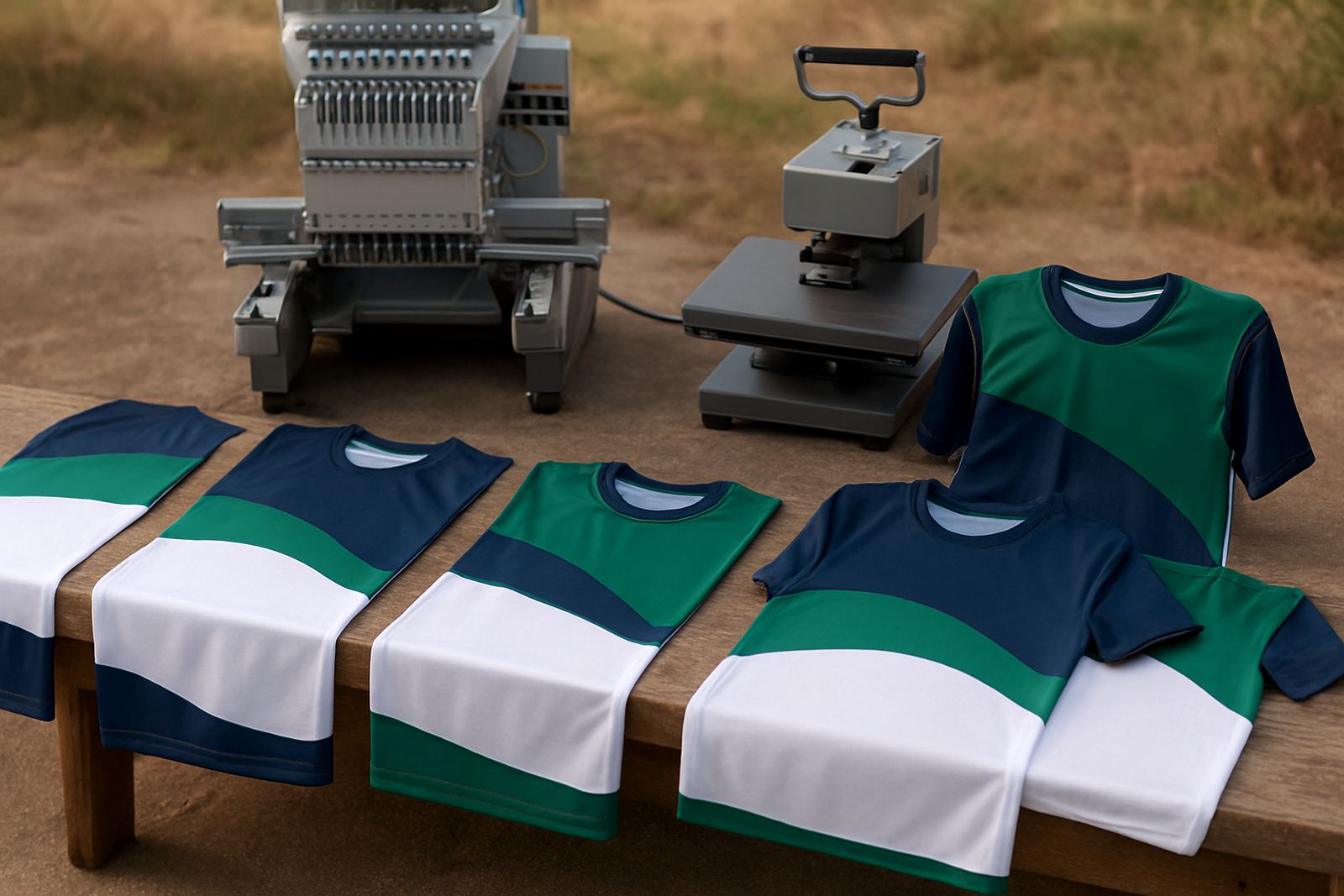
Sleeve placement is useful when the front of the garment is already busy or when you want extra brand visibility without making the item feel crowded. A sleeve logo can carry a department name, small icon, partner logo or campaign message. On long sleeves, it is usually placed halfway between shoulder and cuff, while on short sleeves it should sit far enough from the hem to avoid distortion.
For outdoor teams, farm crews, school staff and transport workers, sleeve branding can be practical because it stays visible from the side and back angles. We check the seam line carefully so the logo does not sit on a curved section that can pull the stitching out of shape. In our climate, where garments are washed often and worn in heat and humidity, placement must also allow the thread or print to hold up well.
- Use sleeve branding when you need extra visibility without crowding the chest.
- Keep the logo clear of underarm seams and cuff turns.
- Smaller sleeve marks are better for detail and long-term wear.
Back Branding For High Visibility
Back branding is ideal for teams that need to be seen from a distance, such as security, workshop crews, school support staff and event teams. A back logo can be small at the upper neck or full size across the shoulder blades or lower back, depending on the purpose. Larger back branding is often used on jackets, T shirts and promotional wear where the message must be read quickly.
When we prepare a back placement, we also consider how the garment drapes when worn. A full back logo should sit high enough to clear the waistline and low enough to avoid the collar fold. On lightweight garments, an oversized design can pull or buckle, so the logo must suit the fabric weight. If the item will be worn with another layer, such as a jacket over a shirt, we plan for that too.
- Upper back is suitable for small department names or numbers.
- Full back works for event clothing, teams and school activities.
- Always allow space around the collar and shoulder seams for a tidy result.
Cap And Bag Placement That Holds Up
Cap branding needs a separate approach because the surface is curved and the front panel has limited room. The usual position is the centre front of the cap, with the logo kept compact enough to read clearly across the curve. Side or back cap branding may suit a slogan, name or small mark, but the front remains the most visible area for most orders.
Bag branding works differently again because backpacks, conference bags and shoppers have handles, zips, gussets and seams that affect positioning. A logo on the front panel of a bag is often the best choice, while a smaller mark can work on a flap or pocket. For gifts and promotional items, we keep the artwork simple so the brand reads well even when the item is folded, carried or packed for distribution across the Lowveld.
- Caps need smaller artwork and a centred position for best visibility.
- Bag logos should avoid seams, zips and carry straps.
- Simple artwork usually performs better on curved or folded surfaces.
Approval Steps Before We Stitch Or Print
Once the position is chosen, we prepare a mock-up so you can see how the logo sits on the garment. This is where size, colour, spacing and placement are checked before production starts. It helps prevent costly rework and it gives you a chance to confirm that the brand looks right on each size or garment type.
For bulk orders, we often suggest a sample check on one item first, especially if the order includes mixed sizes, different garments or several branding positions. That is important for schools, companies and organisations ordering across Mbombela, Nelspruit Central, Kabokweni, Ngodwana, White River, Malelane and Barberton. If a logo is too small or too close to a seam, it is much easier to adjust it before the full run starts.
- Confirm the exact placement on a mock-up before production.
- Check logo size, thread colour or print colour and spacing.
- Approve one sample first when the order is large or includes different garment types.