
What Lowveld weather asks from a shirt
The Lowveld puts shirts to the test. Morning humidity, hot midday temperatures and the odd summer storm all affect how a garment feels and how long it keeps its shape. For staff and learners who wear shirts all day, you want fabric that breathes, dries well and still looks tidy after a long drive, a full shift or a busy school day.
Cotton-rich shirts are often a good starting point for comfort, while polyester blends usually hold colour and shape better through regular washing. For business wear in Mbombela central or a school in Barberton, that balance matters more than chasing a very stiff or very shiny finish. A shirt should sit well under a logo and still feel comfortable when the air is thick and warm.
- Choose lighter colours for heat, but make sure they are not too thin.
- Check if the fabric creases easily after washing and ironing.
- Ask how it handles repeated laundering, especially for school wear.
- Make sure the fabric supports embroidery or print without puckering.
Shirts that suit offices, schools and field teams
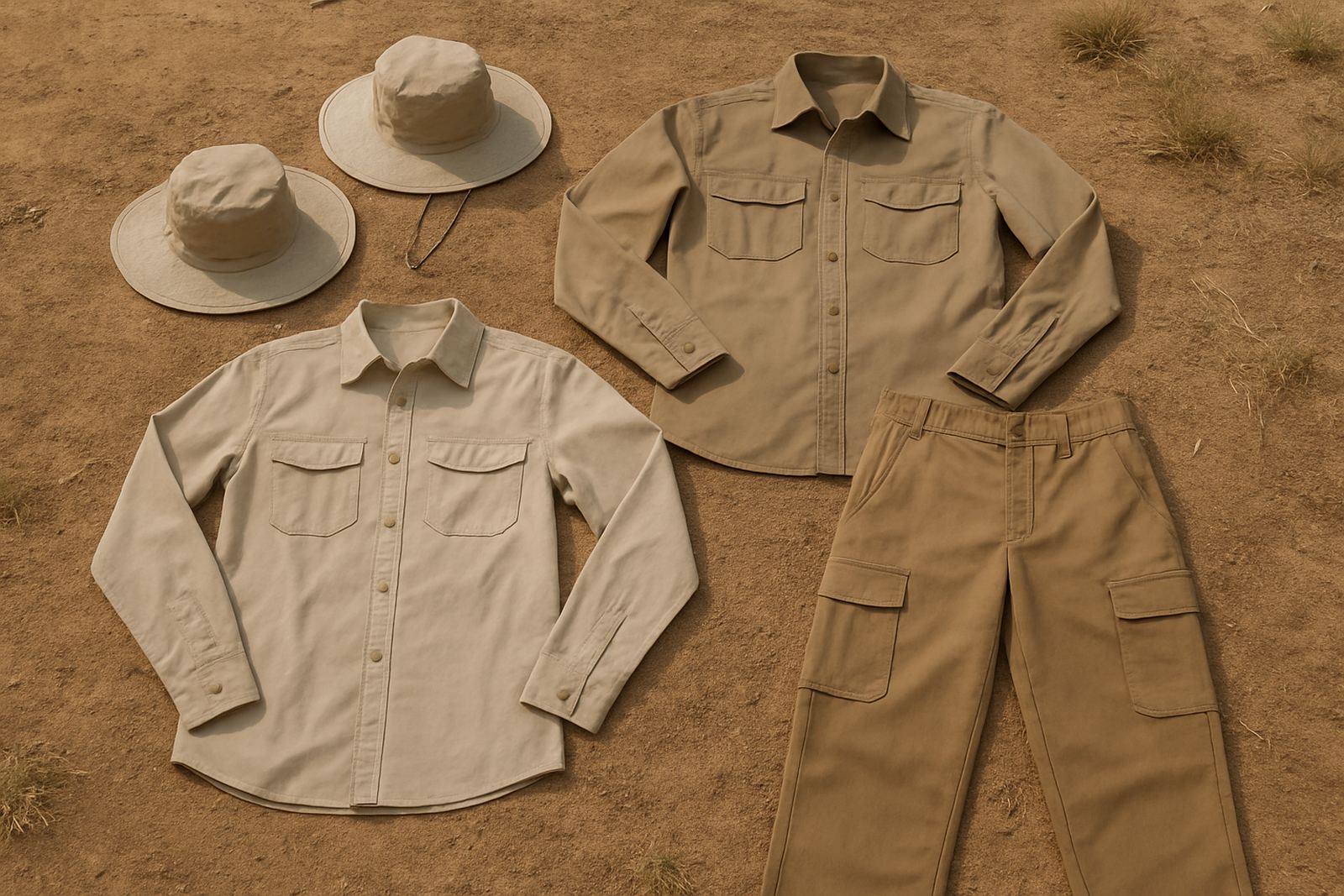
The best shirt for one group is not always the best for another. An admin team in Nelspruit Central may need a neat collared shirt that works with trousers or skirts, while a maintenance team in Malelane may need something cooler and easier to move in. School uniforms also need durability, because children are hard on clothing and parents want value for money.
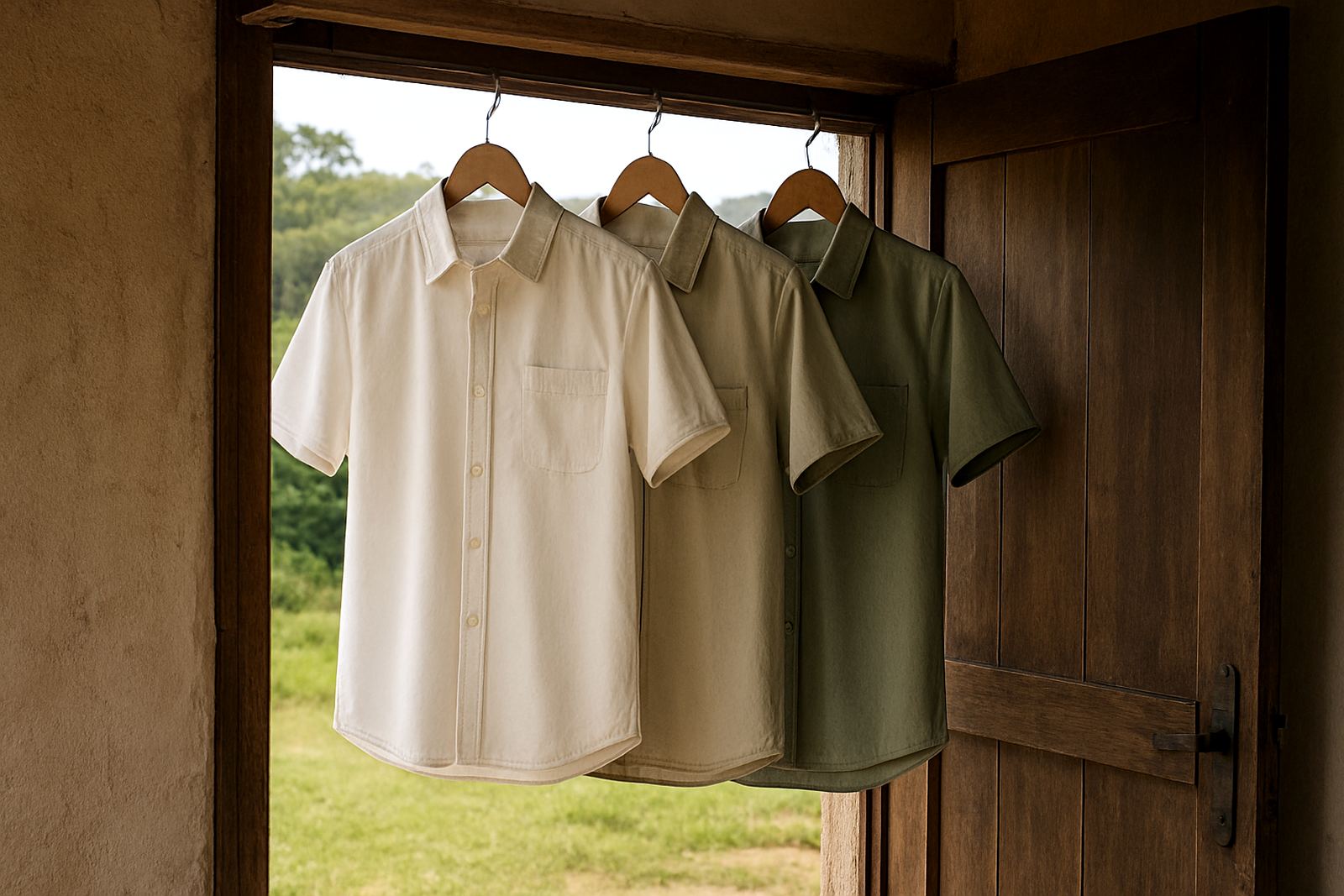
For corporate wear, a classic short-sleeve collared shirt in a midweight fabric is often the safest choice. It looks formal enough for front office work but is still practical in warm weather. For schools, a harder-wearing shirt with reliable stitching and stable colour is usually better than a delicate option. If the garment is for events, promotions or a casual team day, a lighter shirt or a moisture-friendly blend may be the better fit.
- Short sleeves work well for most Lowveld workplaces.
- Long sleeves are useful for formal roles, sun exposure or cooler morning starts.
- Relaxed cuts help with movement and comfort in hot conditions.
- A well-finished collar keeps the shirt looking sharp after repeated washing.
How branding should match the fabric
The shirt fabric should guide the branding method. Embroidery gives a clean, professional finish on structured shirts and is a strong choice for office wear, school staff clothing and company uniforms. It sits well on collars, chests and sleeves, and it lasts well when the garment is washed often. On very light or stretchy fabric, though, too much stitching can pull the material.
Screen printing works well for bolder designs, larger front or back placements and promotional shirts. Sublimation is suited to all-over artwork or synthetic garments where bright colour and detailed artwork are needed. If the shirt is part of a bulk order for a school, club or business across the Lowveld, the right method should be chosen before production starts, not after. That saves time and avoids disappointment.
- Use embroidery for small logos and formal uniforms.
- Use print for larger graphics or promotional runs.
- Keep fine detail simple on textured fabric.
- Always approve a mock-up before production begins.
Colour choices that work in the Lowveld
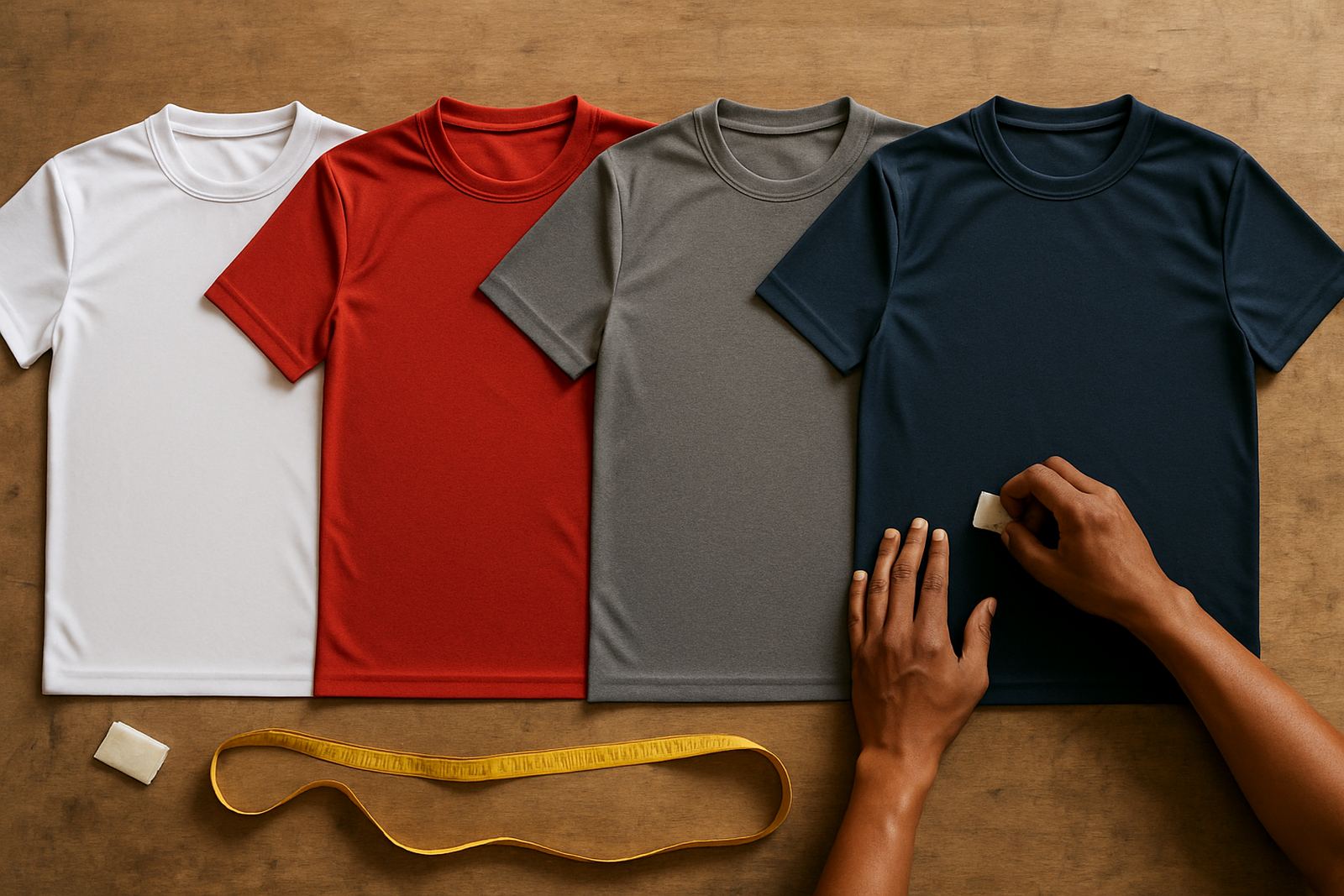
Colour affects comfort, appearance and maintenance. Light colours can feel cooler in the sun, but they may show stains more easily. Dark colours can look smart and hide marks better, yet they may hold more heat during outdoor work. Mid-tone shades often give the best balance for everyday uniforms in towns like White River, Hazyview and Kabokweni.
For schools, colour consistency is important. Parents and procurement teams usually want shirts that match the existing dress code closely, because even a small shade difference can look untidy in a full class. For businesses, colour should support the logo and the type of work being done. A practical shirt in a sensible colour often lasts longer in use than a trendy option that looks good only on the sample rail.
When you are ordering for a team, think about these points:
- Will the colour show dust, soot or food stains quickly?
- Does the shade work with the logo colours and thread colours?
- Will the shirt still look presentable after a long day in the sun?
- Can the same colour be repeated if you need extra stock later?
Fit, sizing and comfort for real daily wear
A shirt can be the right colour and still be the wrong choice if the fit is poor. Too tight, and the wearer feels restricted. Too loose, and the shirt can look untidy, especially when tucked in. For office teams, teachers and learners, a clean fit makes the uniform easier to wear and easier to maintain.
It helps to think about the end user before placing an order. A school ordering for a range of ages will need a proper size spread and clear garment measurements. A company ordering for delivery staff or retail teams may need extra room through the shoulders and arms. In Mbombela and surrounding areas, where teams often move between indoor and outdoor spaces, comfort matters just as much as appearance.
Good ordering questions include:
- Do you need a regular fit or a more relaxed fit?
- Will the shirt be worn tucked in or untucked?
- Are there different body types in the group that need size checks?
- Will the shirt sit comfortably under a blazer, apron or jacket?
A practical Lowveld example from order to delivery
Take a school in Hazyview preparing for a new term and a small business in Riverside, Mbombela ordering staff shirts for the same month. The school needs durable shirts that keep their colour through repeated washing, while the business wants a smarter finish for front-facing staff. The fabric may not be the same, but the process should be just as careful for both.
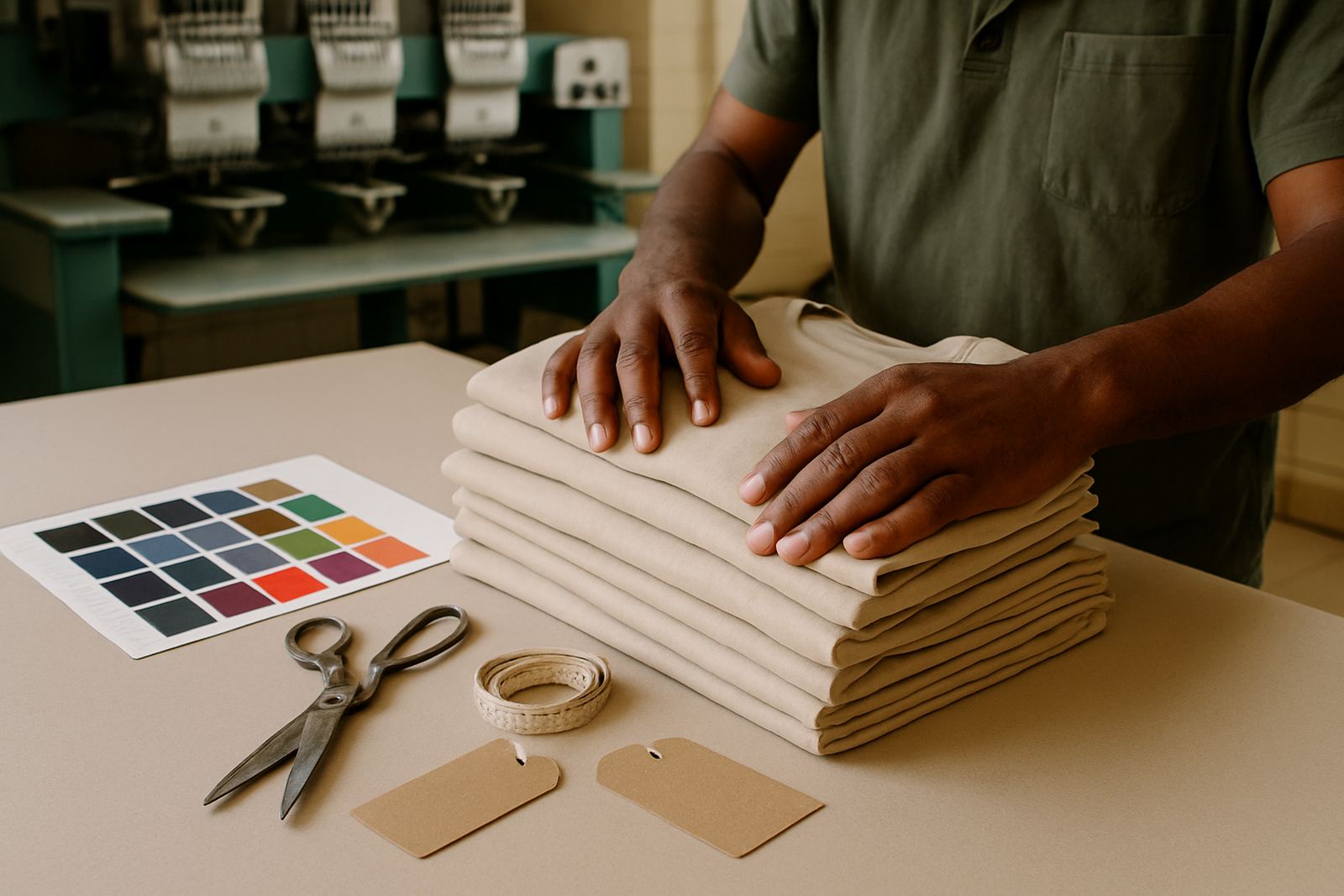
The right approach starts with the garment choice, then the logo placement, then the branding method. Mock-ups help the client see the final result before anything is committed to production. Once the order is approved, the garments can be branded, checked and packed in quantities that suit collection or delivery across the Lowveld. For larger orders, this keeps the process orderly and reduces mistakes.
At CK Embroideries, that process is handled by a team that works with businesses and schools every day, from logo digitising to embroidery, print and bulk packing. The aim is simple: shirts that look right, wear well and suit the conditions they will actually face.