
Why Printed Logos Wear Out Faster Than You Think
A printed logo is only as good as the way it is treated after delivery. Screen printing and sublimation can give a clean finish, but repeated rubbing, hot water and strong chemicals will break down the print over time.
In the Lowveld, there is also the daily reality of dust, heavy sun and frequent washing. School shirts, staff T shirts and caps often get used hard, then washed quickly before the next shift or school day. That is where small habits make a big difference.
If you want logos to stay sharp, it helps to think about two things: the garment fabric and the care routine. Polyester, cotton, blends and coated items all respond differently to heat and detergent. A polyester sports shirt used for team wear needs a different washing routine from a cotton work shirt with a printed chest logo.
Washing Rules That Keep Prints Sharper For Longer
Most cracking starts in the wash, not at the press or print room. Turn printed garments inside out, use cold or lukewarm water, and keep the wash cycle gentle. This simple step reduces friction against the printed area and helps the ink stay in place.
- Wash with similar colours so the garment does not pick up dye from other items.
- Avoid bleach and harsh stain removers on the printed section.
- Do not overload the machine, because heavy movement causes extra rubbing.
- Use a mild detergent and rinse properly so residue does not build up.
- Do not leave wet garments bunched up in a bag or bucket for too long.
If a shirt has been used at a dusty site, rinse it first before the proper wash. That small step keeps grit out of the fibres and reduces wear on the printed logo.
Heat Is The Fastest Way To Damage A Print
High heat can soften, crack or dull printed logos. A tumble dryer set too hot can age a print in just a few cycles, especially on lighter fabrics and small detail work. Ironing directly over a print is another common cause of damage.
For best results, dry garments on a line or drying rack in the shade. In Mbombela and nearby towns, sunlight can be strong, so it is better to avoid drying printed items in direct sun for long periods. That does not only help the logo, it also helps the garment colour last longer.
When ironing is needed, turn the garment inside out and keep the iron off the print area. If you must press the front, use a cloth between the iron and the garment and keep the heat low.
- Never iron straight onto a printed logo.
- Keep dryers on a low setting or skip them when possible.
- Avoid leaving garments on hot car seats or dashboards.
- Store printed stock away from heat sources and direct sun.
What Schools And Businesses Should Tell Staff Or Parents
Good care starts with simple instructions. For corporate wear, sports kits and school clothing, it helps to hand over a short care guide with each order. This is especially useful when a company is issuing uniforms to a large team or a school is sending branded items home with learners.
A practical care note can prevent the same complaints from coming back every term or quarter. At CK Embroideries, many orders for the Lowveld are packed in bulk, so clear instructions are useful when items go to different branches, campuses or households.
- Explain which items are printed and which are embroidered.
- Tell users whether the garment can be tumble dried or not.
- Show where the print is placed so it is not scrubbed with a brush.
- Ask staff to avoid using hot irons on chest prints and back prints.
For schools in White River, Hazyview and Barberton, this is especially useful for sports tops and promotional shirts that go through many wash cycles in one term.
Choosing The Right Print For The Job
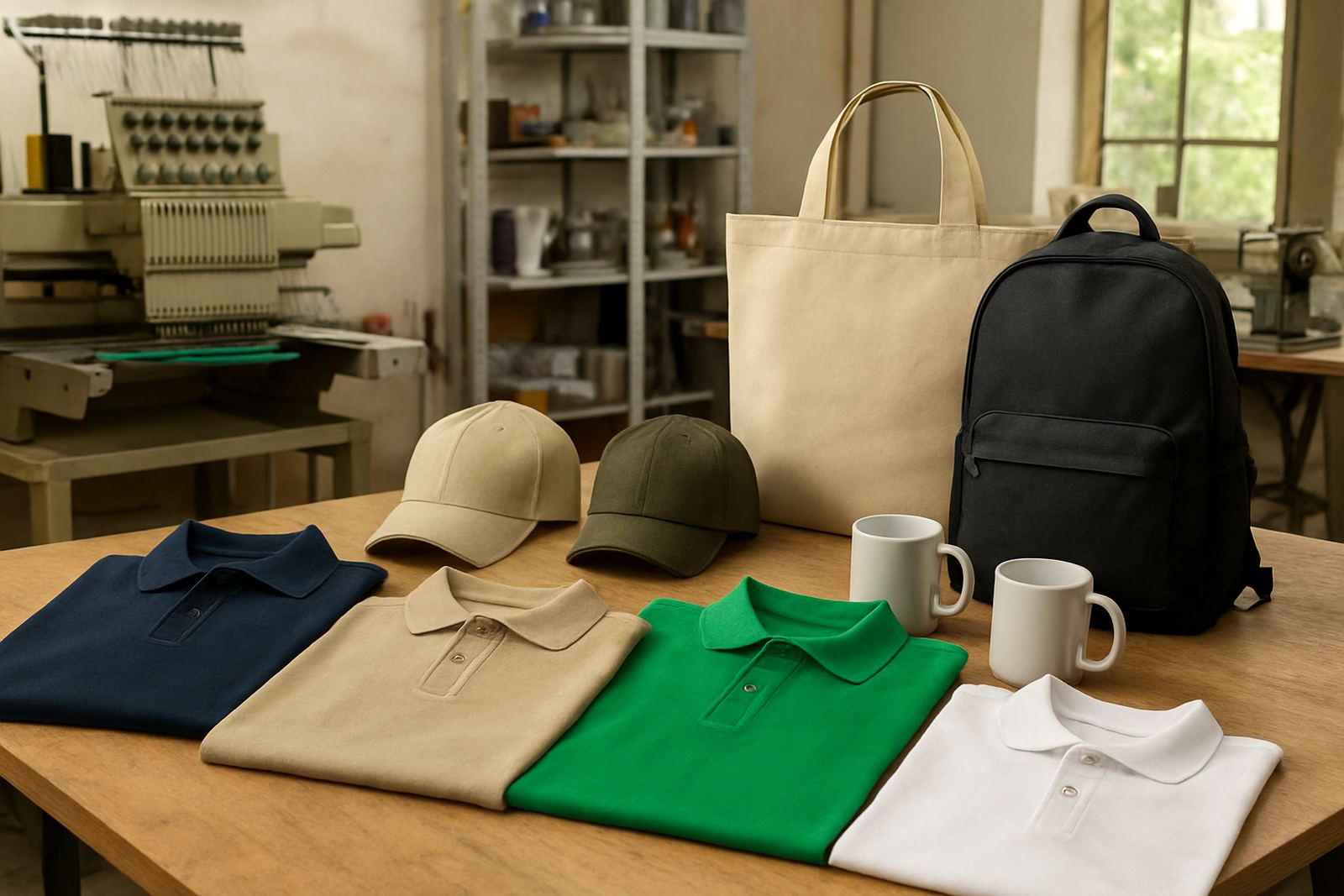
Not every garment needs the same type of branding. Some items are better suited to screen printing, while others hold up better with sublimation, embroidery or a mix of methods. A good supplier will match the process to the item, the use and the budget.
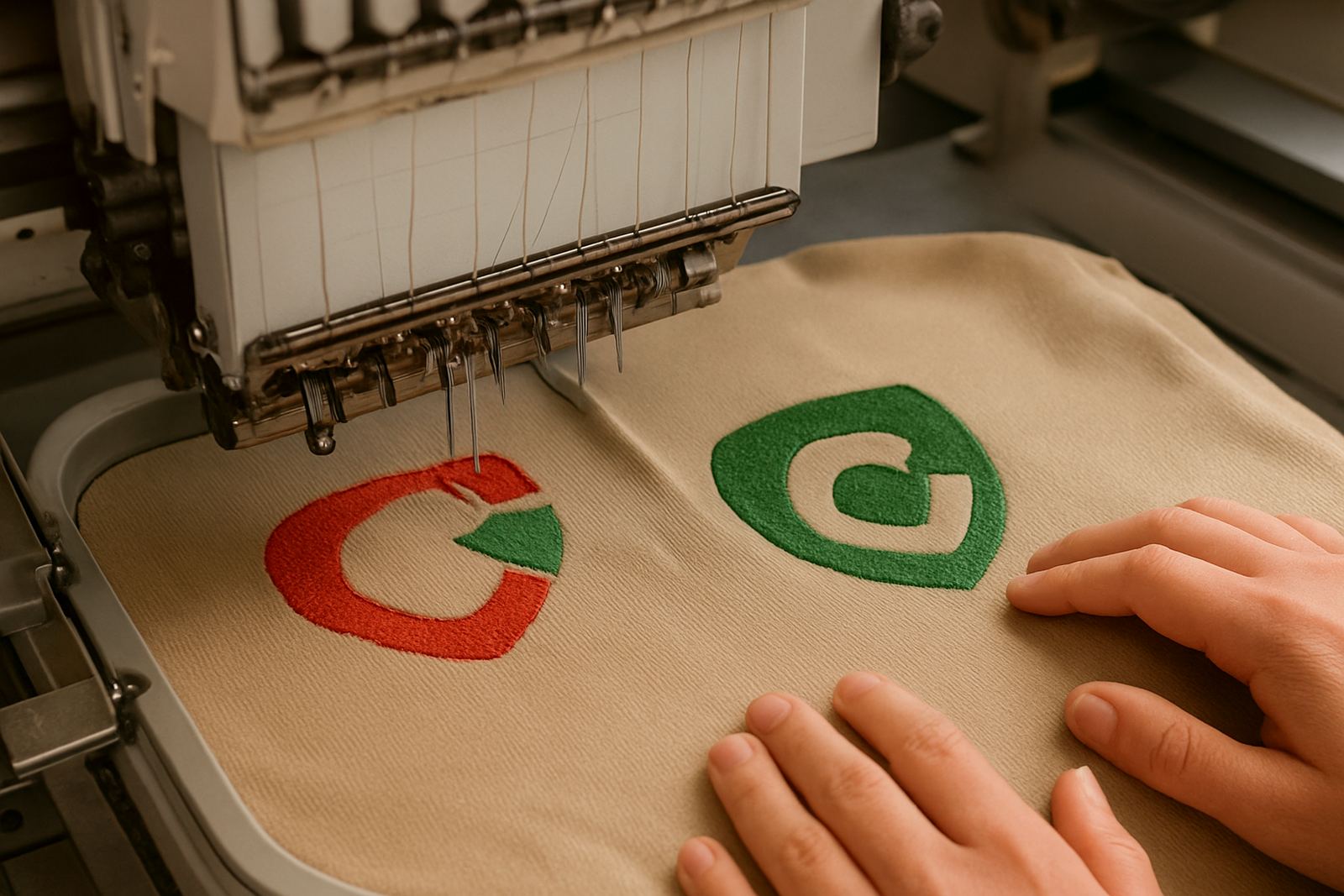
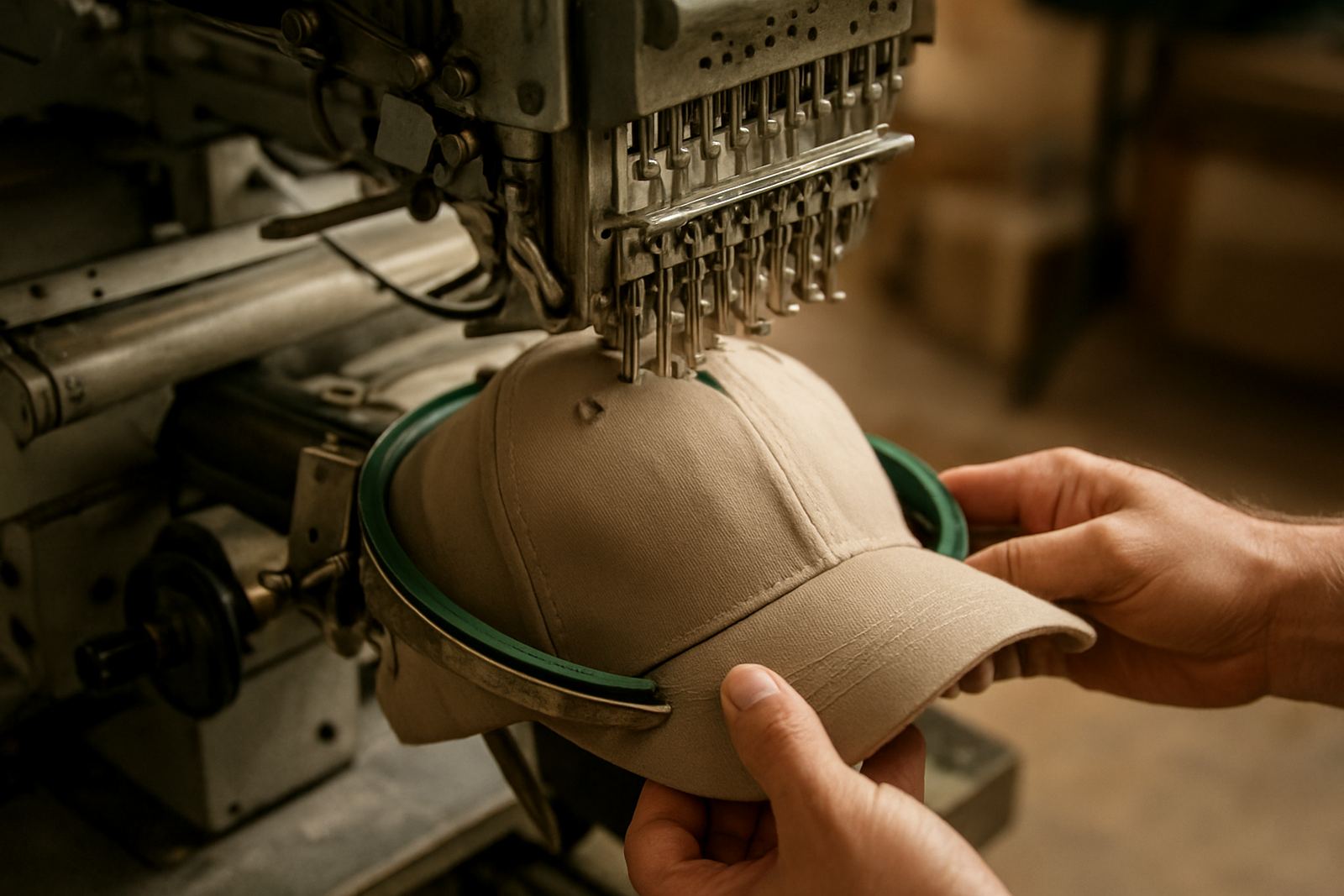
For example, a staff T shirt worn indoors may do well with a printed logo if washed gently. A cap, by contrast, is often better branded with embroidery because it handles wear differently. Promotional bags and gifts also need the right approach so the branding stays readable after regular handling.
When placing an order, ask what the print is intended to withstand. Will it be used daily in the sun? Washed weekly? Exposed to dust, sweat or chemical splashes? These questions help avoid disappointment later on.
A Lowveld Example That Shows What Works
A small business in Mbombela once ordered printed work shirts for site visits and client meetings. The manager later said the prints were fading too quickly, but after checking their routine, the issue was simple: the shirts were being washed hot, tumbled dry and ironed straight on the front panel.
Once the team changed to cold washes, turned the shirts inside out and dried them in the shade, the print stayed looking good for much longer. The fabric itself also held up better. The lesson was not about replacing the clothing, it was about changing the care.
That is common across the Lowveld. Whether the order goes to Kabokweni, Ngodwana or Malelane, the care routine matters just as much as the branding method. A well-made print can still fail if it is treated like a kitchen cloth.
Simple habits, done consistently, protect the look of the garment and save money over time. That is good for schools, companies and clubs that need their branding to last through real use.
Quick Care Checklist Before You Wash The Next Batch
Use this quick check before laundry day. It takes a minute and can save a print from early wear.
- Turn the garment inside out.
- Use cold or lukewarm water.
- Choose a mild detergent.
- Skip bleach and strong stain removers on the print.
- Dry in the shade and avoid high tumble heat.
- Iron inside out or keep the iron away from the print.
- Store clean garments flat or folded, not crumpled in a hot place.
If you are ordering corporate wear, schoolwear or promotional clothing for the Lowveld, ask for care advice at the same time as the branding. It is a small step that makes the finished items last longer and look better in daily use.