
Start with the garment, not only the artwork
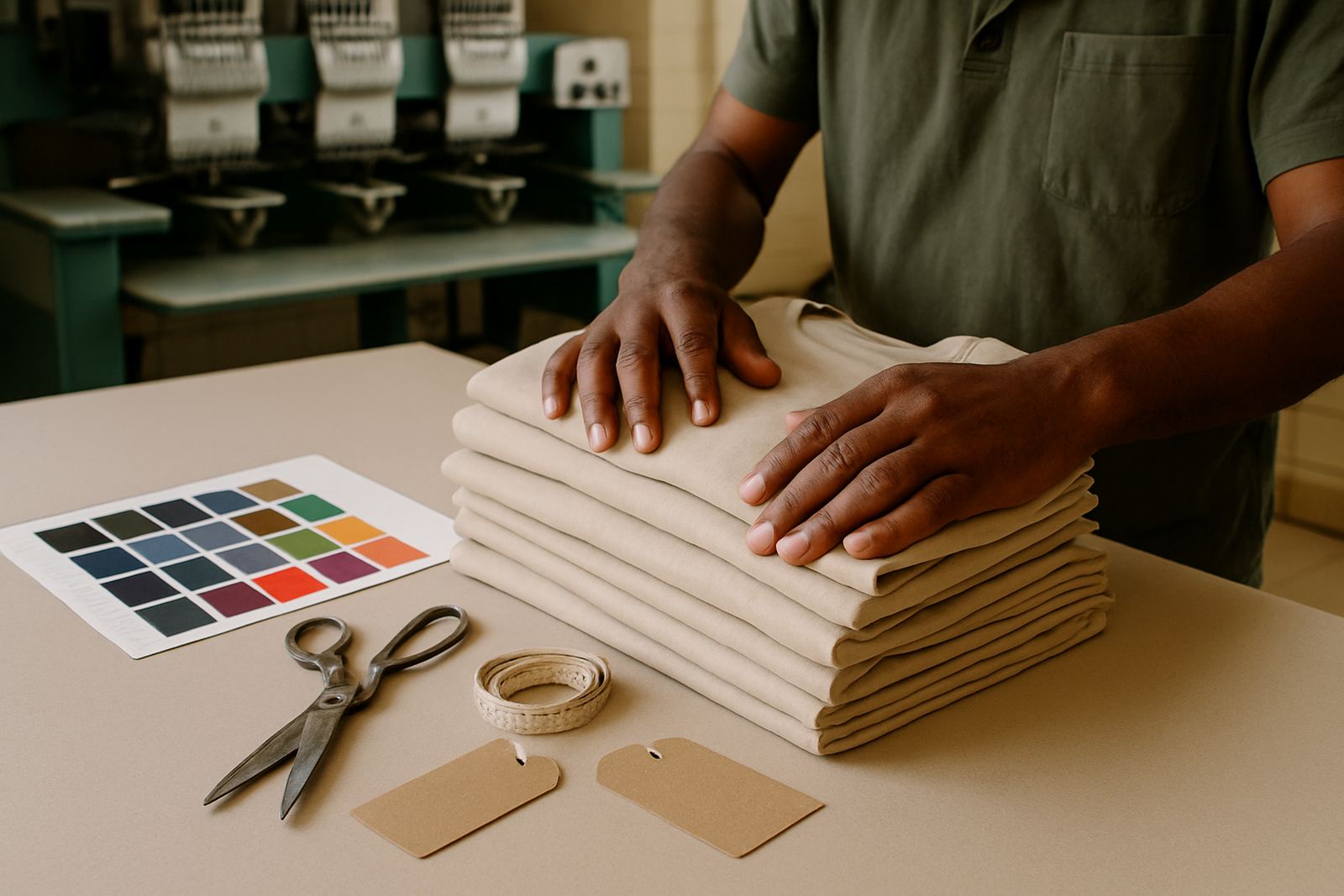
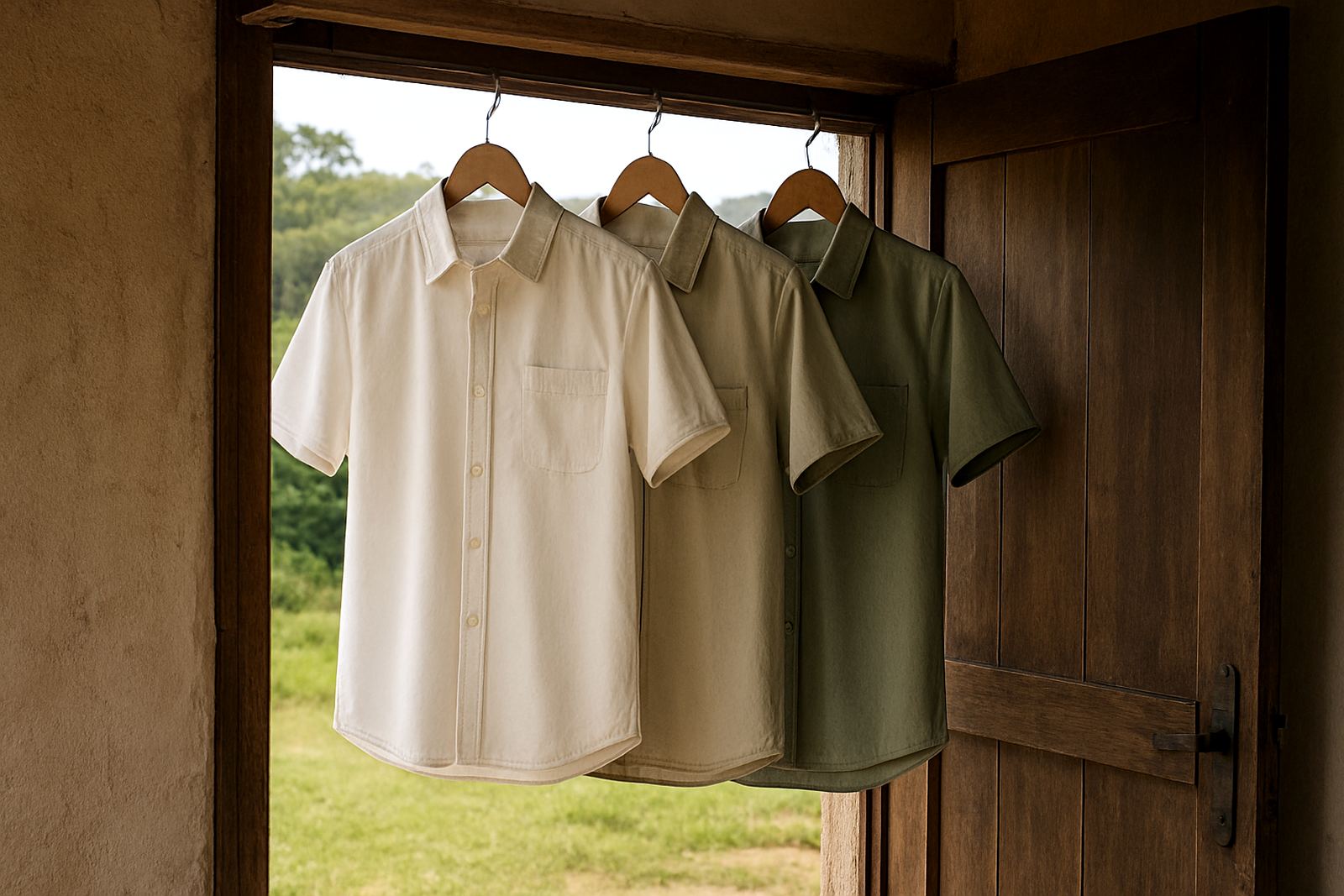
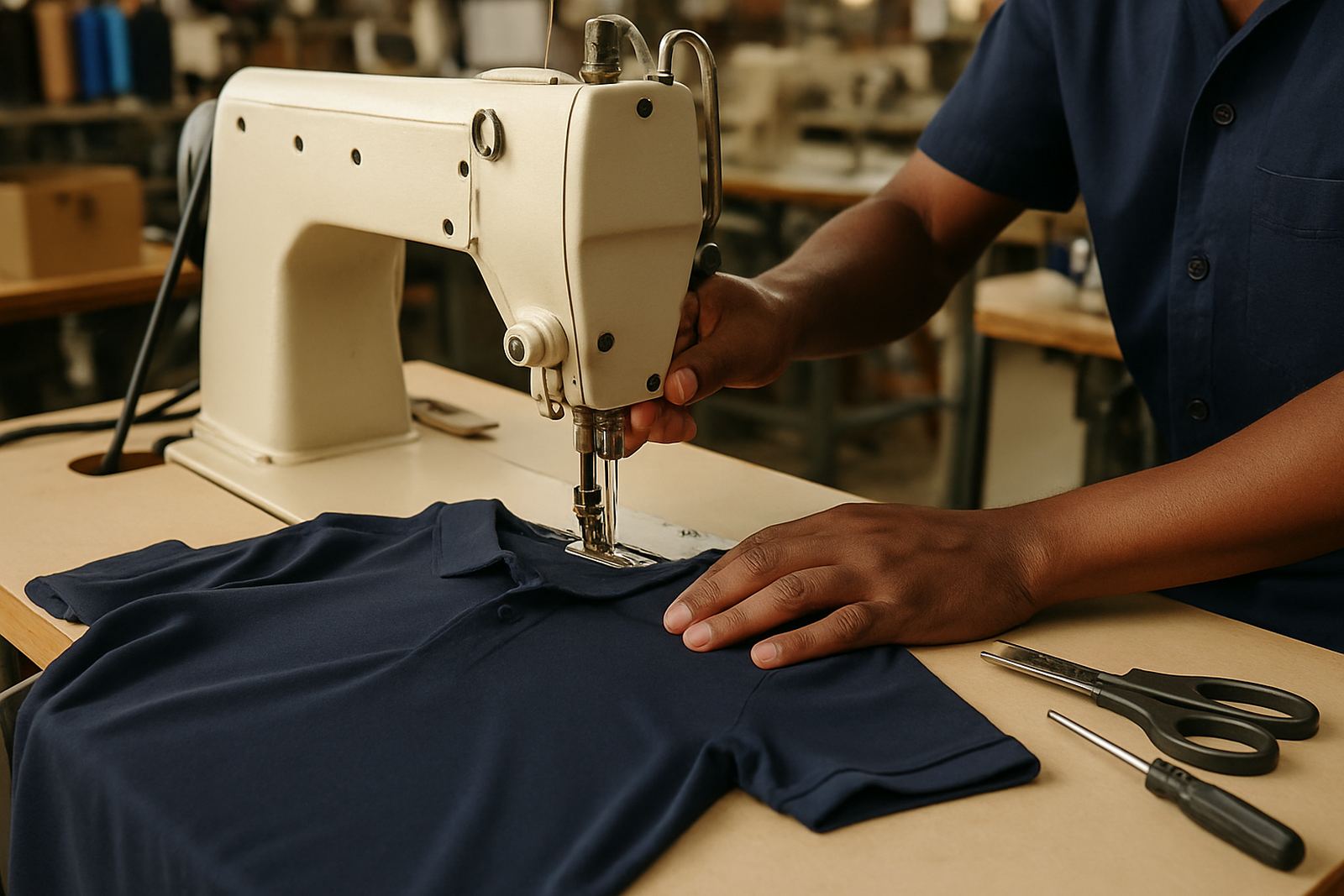
Print life begins with the fabric beneath it. A light T-shirt for a school sports day and a heavier corporate golf shirt will not hold print in the same way, even if the artwork is identical. Cotton, polyester and blended fabrics react differently to washing, stretching and ironing, so the right choice depends on how the item will be used day to day.
For lowwear items such as event shirts or giveaway tees, a good print can perform well for many washes if the fabric is stable. For staff uniforms worn every week, especially in transport, security, retail or hospitality, the garment needs to handle repeated laundering, sun exposure and movement at the seams. In the Lowveld, where clothing often dries quickly in strong sun but is also washed often because of dust and heat, this matters more than many people expect.
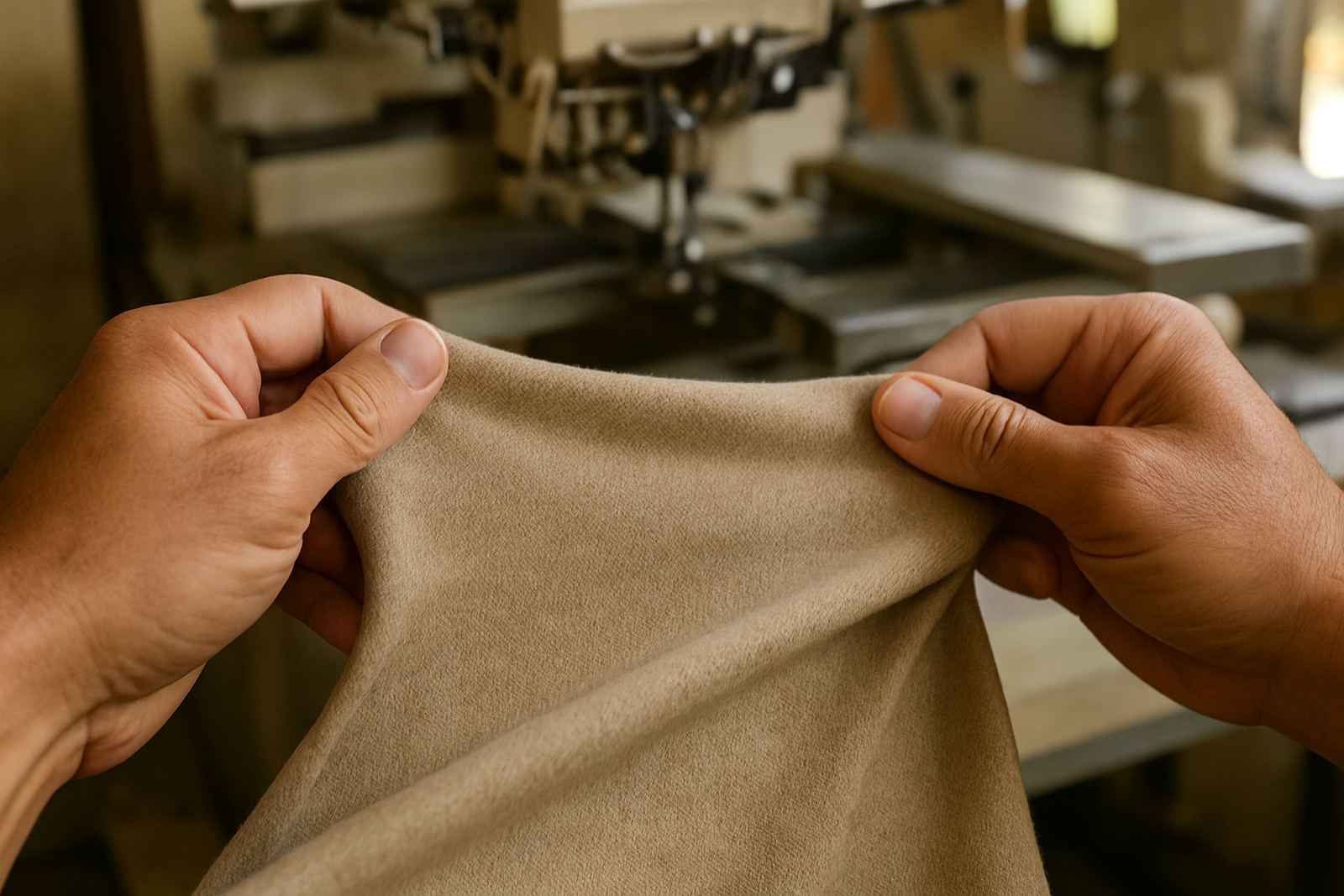
Heavier fabric usually gives a print a better base. Very thin knitwear can distort around the chest, sleeves or side seams, and once the fabric pulls, the print can crack or fade unevenly. That is why the garment spec should always be considered alongside the logo size and the print method.
Why the print method changes the lifespan
Not every branding method wears the same way. Some methods sit on top of the fabric, while others become part of the fabric structure or sit inside the fibres. That affects how the item handles washing, friction and daily use.
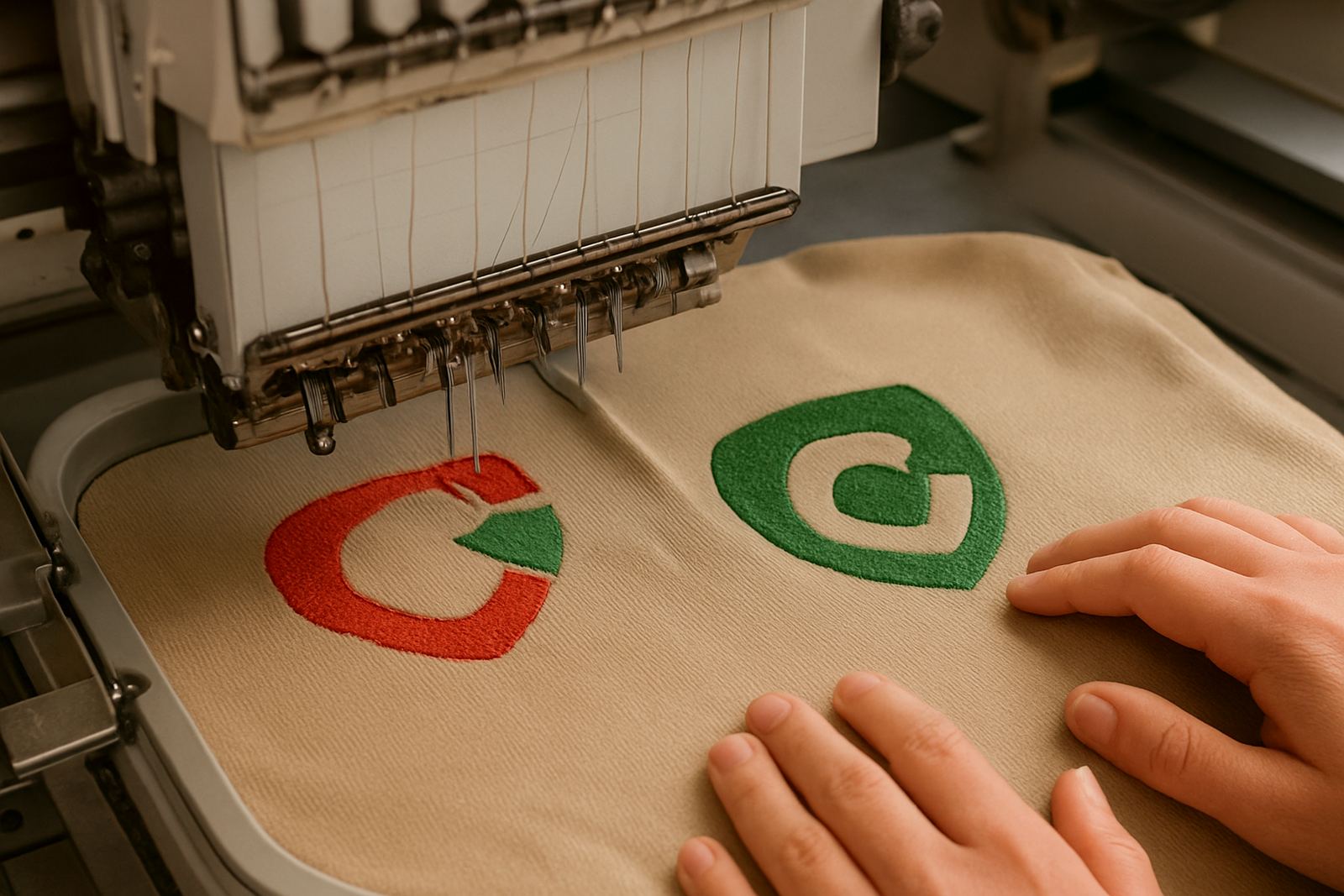
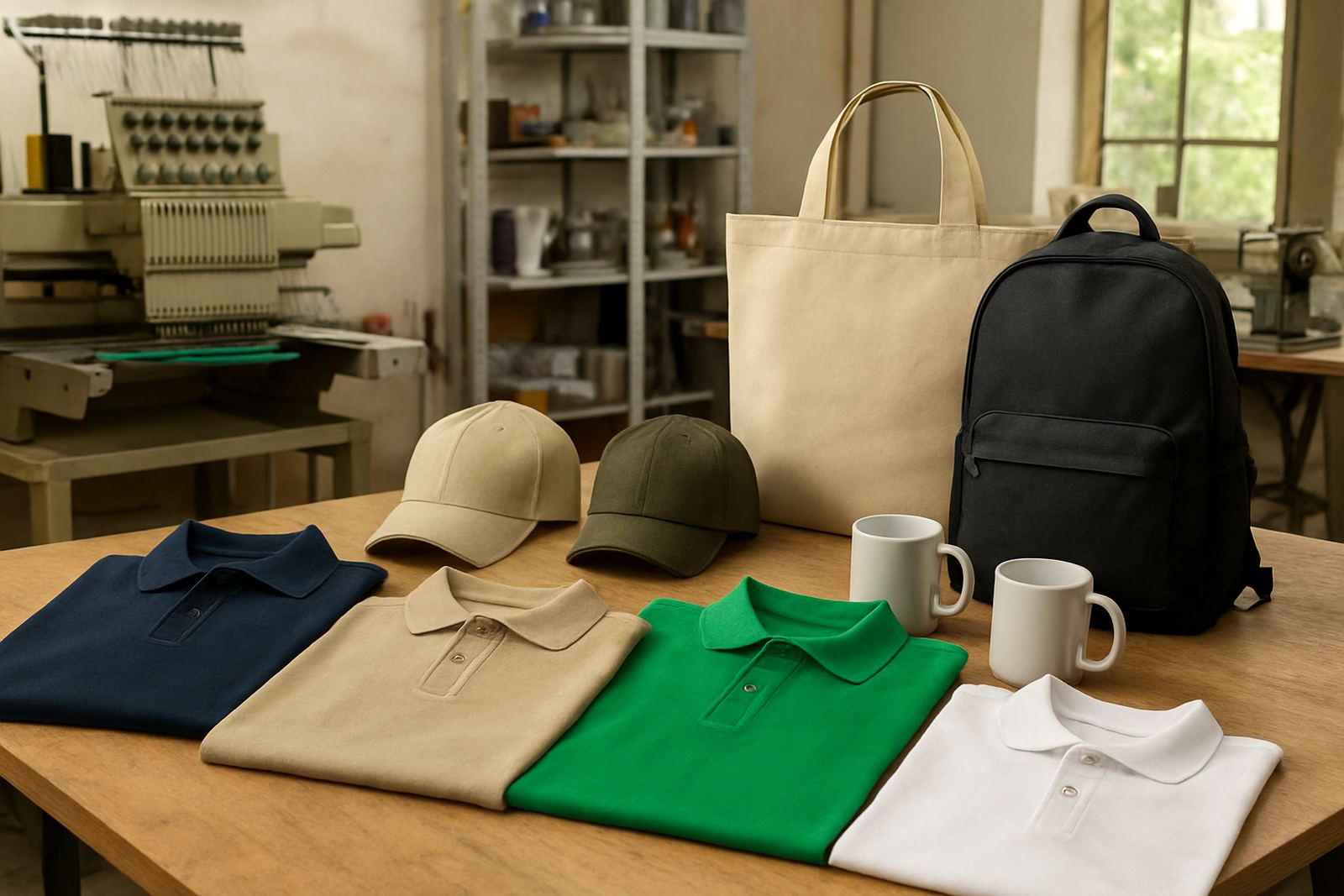
- Embroidery lasts well on caps, shirts, jackets and bags because the stitched logo is anchored into the fabric. It is a strong option for clothing that gets regular wear.
- Screen printing works well for bold logos and larger orders. It can last a long time if the inks are cured properly and the garment is washed carefully.
- Sublimation printing bonds into polyester fabric, so it is useful for sportswear and lighter performance garments. It is best on light coloured polyester or poly blends.
- Heat applied graphics can be useful for names and numbering, but they need correct application and care to avoid lifting at the edges.
The best choice depends on the item, the colour, and how often it will be worn. A school house shirt, a corporate golf shirt and a branded backpack should not be treated as the same print job. Each one faces different wear patterns and washing habits.
Washing habits do more damage than people think
Most print failures start in the wash. Strong detergents, very hot water, aggressive machine cycles and tumble drying can shorten the life of even a good print. If garments are turned inside out before washing, sorted by colour, and dried with care, the branding usually stays cleaner and sharper for longer.
In practice, the biggest problems are not always visible at first. Repeated rubbing against zips, school bags, metal buttons or rough work surfaces slowly wears down the print edge. Powder detergent that is not fully dissolved can leave residue, while bleach can strip colour from both the garment and the print. If a printed item is also ironed directly, the heat can damage the surface or flatten stitched detail.
- Wash similar colours together to avoid staining and dulling.
- Use a moderate cycle rather than the heaviest setting unless the garment is very dirty.
- Do not pour undiluted bleach onto the printed area.
- Dry in shade where possible, especially for darker garments.
- Keep the iron off the print surface unless the care instructions say otherwise.
A small care change can add many extra wears, which matters for businesses and schools trying to keep clothing looking neat through a term or a season.
Lowveld weather and daily wear add extra pressure
Mbombela, White River, Hazyview, Malelane and Barberton all see strong sun, dust, humidity at times and plenty of movement between indoor and outdoor work. That combination affects print durability in a very practical way. UV exposure fades some inks faster, especially on darker colours and items left in vehicles or drying yards for long periods.
Coastal humidity is not the issue here, but moisture from sweat, rain and frequent washing still matters. A garment that is worn in the heat all day and washed often will age differently from one used only for occasional promotion. For schoolwear, the elbows, collars and chest area tend to show wear first. For corporate wear, the logo area may stay fine while the garment body thins out around the underarm or side seams.
Businesses in Riverside, Nelspruit Central, Kabokweni and Ngodwana often need clothing that looks presentable across long shifts and mixed conditions. That is why it helps to choose a branding method based on the actual environment, not only on how it looks on the first day.
Before production, ask for approval and a realistic use case
Good durability starts before a single item is produced. A proper mock-up and approval process gives you a chance to check logo size, placement, colour contrast and garment choice before the order is final. This is especially important for bulk work, where a small adjustment on a sample can save a full run from being too small, too low or too busy.
When we prepare work for schools and businesses across the Lowveld, we always look at how the item will be used. A cap for outdoor staff, a branded apron for food service, a backpack for learners and a golf shirt for reception teams all need different handling. If the item will be washed every week, the print must be chosen with that in mind. If it will be given out at a launch or conference, appearance and colour accuracy may matter more than heavy wear resistance.
It also helps to set expectations clearly. A promotional T-shirt is not a work jacket. A stitched logo on a golf shirt will usually last longer than a large full front print on a very light tee. Choosing the right method for the job keeps the result looking better for longer.
A practical Lowveld example from order to wear
Consider a White River school ordering staff golf shirts and learner bags for daily use. The shirts need to stay neat through washing, sun and repeated movement at assembly, sport and classroom duties. The bags need branding that can handle being placed on the ground, packed with books and carried in and out of vehicles. In that case, a stitched logo on the shirts and a durable branding method on the bags gives better long term value than a single approach used for both items.
The same thinking applies to a Malelane business outfitting field staff. A cotton-rich shirt may feel comfortable, but if the team works in heat and dust it may need more frequent washing and the print must cope with that. A fabric choice that suits the job, paired with correct logo digitising and careful application, will usually outlast a cheaper option that looked fine on day one but fades quickly.
Durability is not only about making something last forever. It is about getting the right balance between appearance, comfort and wear. That is what keeps a uniform looking professional across a full season, not just after the first delivery.