Choose the placement before the garment type is finalised
Workwear logo placement is easier to get right when you decide it early, before the order is packed or the branding artwork is sent through. A jacket has different panel space from an overall, and reflective garments need clear areas that do not interfere with strips, seams or safety tape. In Mbombela and the Lowveld, where teams move between office visits, yard work and outdoor jobs, the garment must still look neat after long wear and repeated washing.
For most workwear, the logo should sit where it is seen quickly without getting in the way of pockets, zips, harnesses or movement. That is why a good layout is not only about size, it is about practical use on site. A small logo on the chest can be more useful than a large one on the back if the garment is worn under a safety vest or rain jacket.
Jackets: chest, sleeve and back placements that work
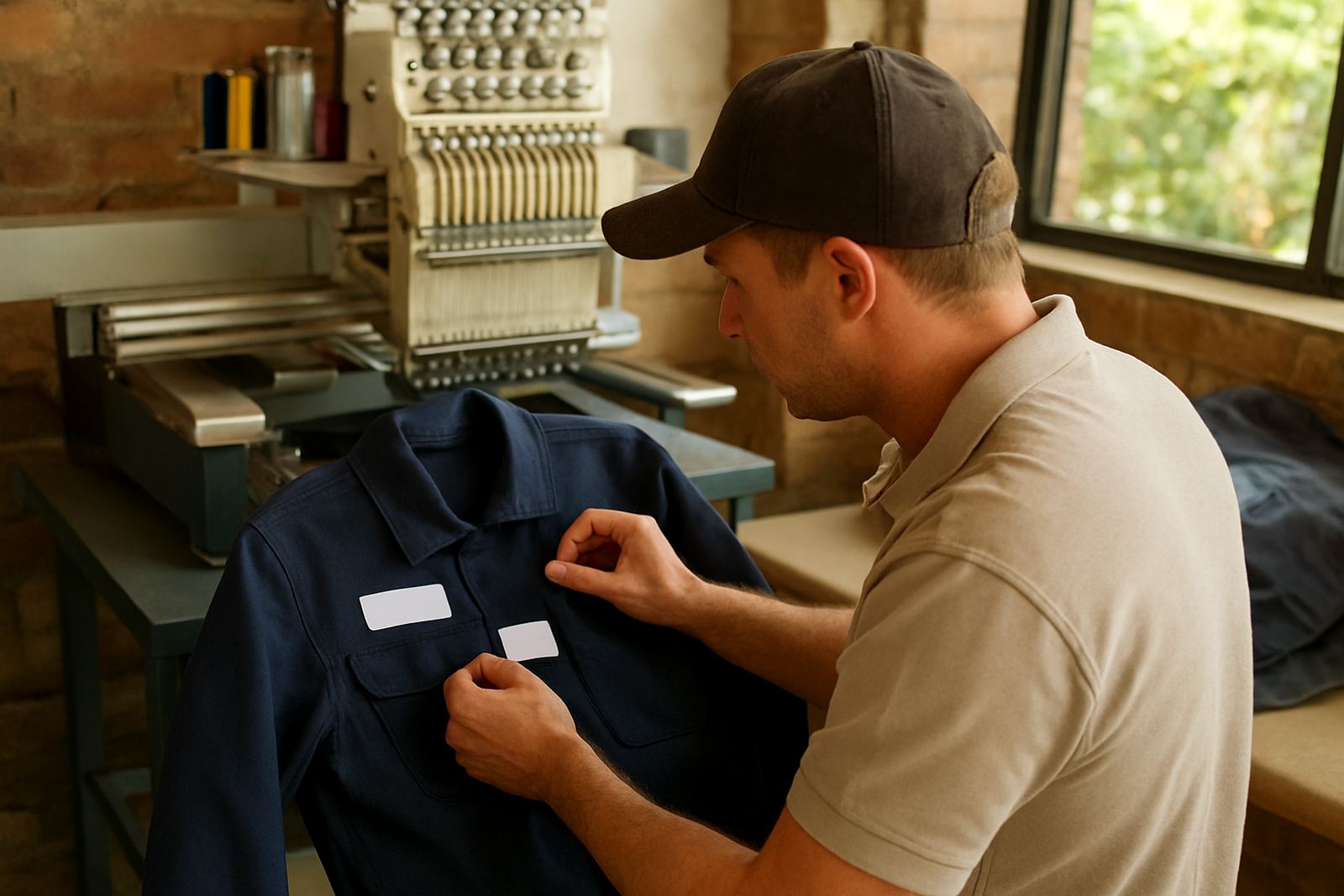
Jackets are the most flexible item for branding, but the best position still depends on the cut. On zip-up jackets, the left chest is the classic choice because it stays visible when the jacket is partly open. The right chest is also useful if the left side carries a name or department title. Sleeve branding can work well for service teams, supervisors and delivery staff, especially when the chest space is already busy.
Back branding is best for teams that need to be identified from a distance, such as security, maintenance or warehouse crews. It gives space for a company name, department or contact line, but it must be positioned above the lower seam so it does not crease badly when the wearer sits or bends. For fleece jackets, use placement that avoids bulky zips and thicker shoulder seams, otherwise the logo can pucker after washing.
- Left chest for everyday visibility and a clean corporate finish
- Back for larger team identification or site visibility
- Sleeve for extra branding without crowding the front
- Upper back for names, department titles or safety wording
Overalls need branding that stays clear during hard use
Overalls are usually worn for mechanical work, construction, cleaning and maintenance, so placement should be practical first. The chest area gives the most dependable space for a logo because it stays fairly flat and is less likely to be covered by tools or belts. If the overall has a bib, the centre chest is often the neatest position for a company logo or staff name.
On full coveralls, logos are often placed on the upper chest and upper back, with a smaller mark on one sleeve if required. Avoid putting branding too low on the leg or near knee reinforcement, because those areas take more wear and dirt. In a busy workshop in White River or Hazyview, a logo on the chest is usually enough to keep the team identified without overloading the garment. A carefull placement plan also helps when the same overall is issued to different staff over time.
If the overall is used in municipal or industrial settings, the logo should not fight with reflective tape, pockets or stitch lines. That keeps the branding neat and helps the garment remain useful on site, especially where visibility and movement both matter.
Reflective garments must keep safety and branding in balance
Reflective garments are not ordinary promotional items. The logo must fit around the safety tape, and the garment should still meet the needs of the job it is used for. On hi-visibility jackets or vests, smaller branding is often the better option, with the logo placed on the upper chest or upper back where it stays readable but does not block the reflective pattern.
For teams working near roads, in loading yards or around plant areas, the logo should be placed so it can be seen during the day and not reduce the garment’s safety function at night. If the item already has large reflective strips, the branding should sit in the blank space between panels rather than over the tape itself. That makes the garment easier to wear and less likely to be rejected by site rules.
- Keep logos clear of reflective tape and safety seams
- Use smaller marks on busy hi-vis panels
- Place names and departments where they are readable at close range
- Check the garment layout before production starts
Size, colour and fabric all change the result
The same logo can look very different depending on the garment. A fine embroidered mark works well on a jacket pocket, while a larger back print is better on a smooth shell jacket or softshell. Dark garments may need a lighter thread or print colour to stand out, and light garments may need stronger contrast so the logo does not fade into the fabric.
Fabric matters too. Stretch fabrics, waterproof outerwear and heavily textured materials need careful placement because the logo can distort if it sits over a seam or curve. On reflective wear, the best-looking branding is often simple and direct. Too much detail can get lost when the garment is small or when the wearer is moving around site.
A practical Lowveld example from first enquiry to final pack
A school maintenance team in Mbombela may need jackets, overalls and hi-vis wear for different tasks across campus and on field trips. The jackets can carry a left chest logo and upper back wording, the overalls can use chest placement only, and the reflective garments can keep branding small so the safety tape remains fully visible. That gives the team a consistent look without forcing one layout onto every garment.
For a business moving stock between Nelspruit Central, Barberton and Malelane, the right placement also helps with day-to-day sorting. Drivers, workshop staff and site teams can be identified faster, and the garments pack more neatly when the branding sits in the same position across the order. At CK Embroideries, this is usually worked through with mock-ups and approval before production starts, which helps avoid rework and keeps bulk orders on track.
The best placement is the one that suits the garment, the job and the people wearing it. If a logo is too large or put in the wrong spot, it can make the clothing uncomfortable or untidy. When it is placed well, the workwear does its job and the branding stays sharp through regular use.