
Start With One Order Sheet For Every Branch
The biggest mistake in multi-branch ordering is treating each location like a separate problem. A better way is to use one master order sheet for the full group, then split it by branch. That gives you one view of total quantities, one approval trail, and fewer surprises when the boxes are packed for Mbombela, White River, Hazyview or Malelane.
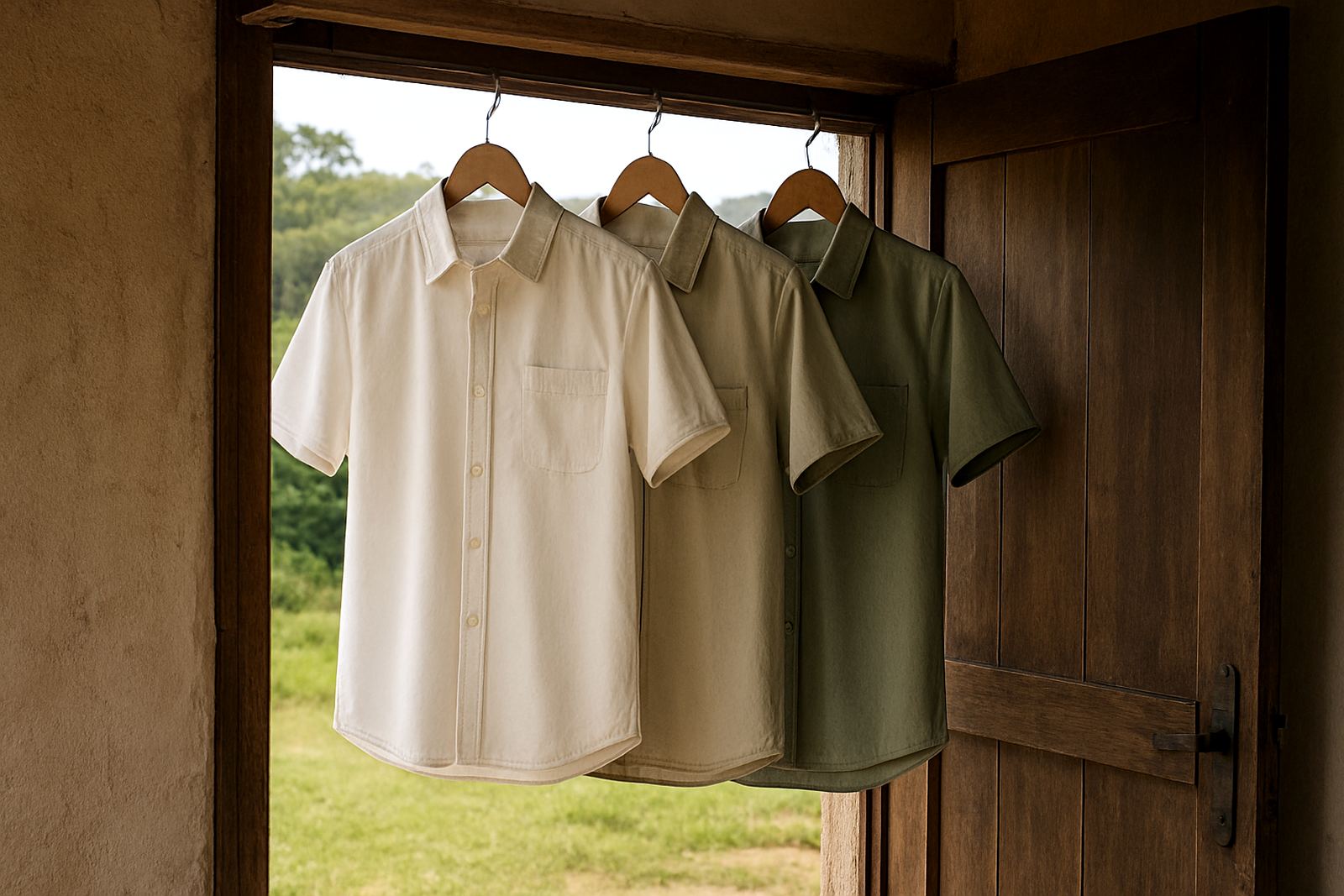
Keep the sheet simple. List the branch name, item type, size range, branding method and required date. If one branch needs embroidered golf shirts and another needs printed T shirts, note that clearly. For schoolwear or staff uniforms, include the exact colour, fabric type and any name personalisation. The more specific you are upfront, the easier it is to quote and produce the order without back and forth.
- Branch name and delivery point
- Garment type and colour
- Sizes needed per person or per department
- Logo placement and branding method
- Deadline, event date or term start
Collect Sizes Branch By Branch, Not In One Guess
Sizes are where many group orders go wrong. A branch manager may say they need medium and large, but that does not tell you whether there are two staff members or twelve. Ask each location to give actual names and sizes, then check against a sample garment if possible. This is especially useful for corporate wear and schoolwear, where fit matters and replacements can delay a rollout.
When you collect sizes, use the same format across all branches. Chest size, waist size, or standard garment size should be recorded the same way for everyone. If your staff work in outdoor roles around the Lowveld heat, allow for a little extra room in shirts and trousers. For winter orders in Barberton or higher areas like Ngodwana, ask whether an extra layer will be worn underneath.
- Do not rely on estimates from one branch manager alone
- Use a single size chart for all sites
- Confirm ladies fit, gents fit and unisex fit separately
- Keep a spare allowance for new staff or replacements
Match Branding To The Job At Each Site
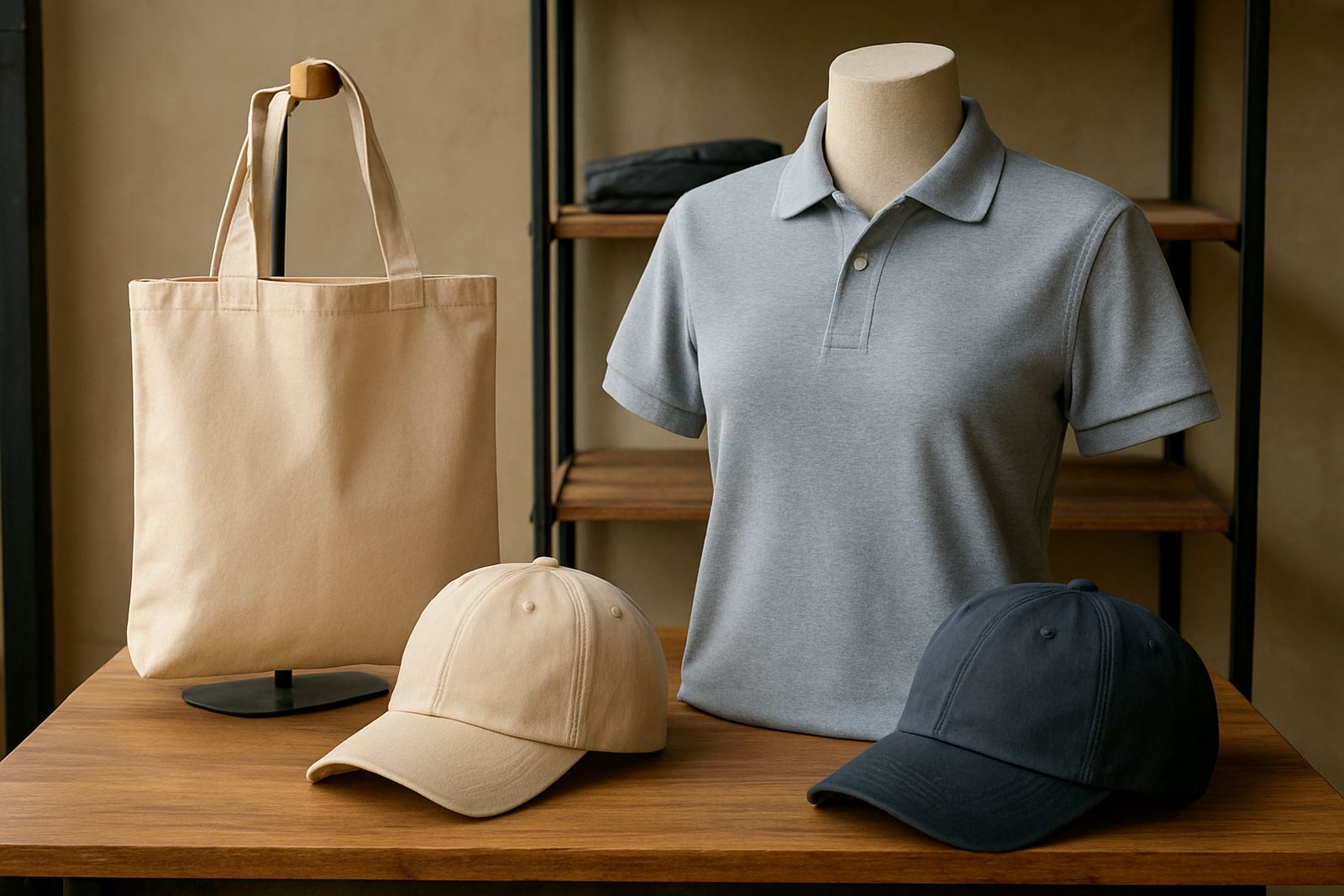
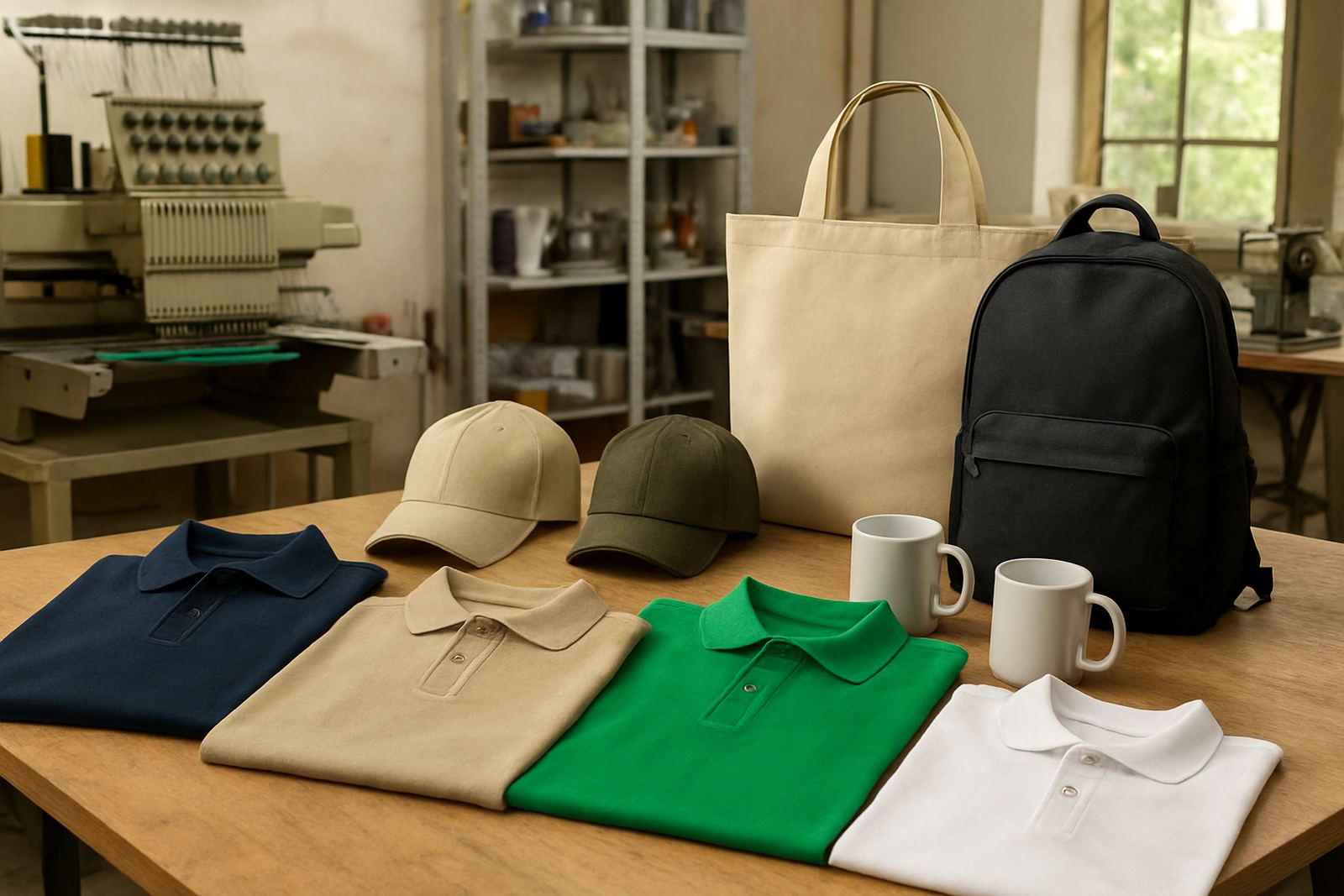
Not every branch needs the same branding method. Embroidery works well on corporate shirts, jackets, caps and bags where a neat finish is needed. Screen printing suits larger runs of T shirts and event wear. Sublimation is better for full colour garments and custom sportswear. If you have branches with different activities, choose the method that fits how the clothing will be used.
For example, a front office in Nelspruit Central may need embroidered shirts and name personalisation, while a field team in Hazyview may need printed work shirts that handle frequent washing. Schools often mix branded staff wear with sports kits, caps and bags. One order can include several branding methods, but it helps to separate the items clearly so nothing gets mixed at production stage.
- Use embroidery for a formal, durable finish
- Use screen printing for volume and simple artwork
- Use sublimation for colour-rich sports and event wear
- Use cap branding and bag branding where the item shape allows it
Send Artwork And Approvals In One Clean Round
Multi-branch orders can stall when everyone wants a say after production has started. A better method is to send one final approval pack with mock-ups for each item type. That way the heads office, branch manager and accounts team can sign off from the same version. If a logo needs digitising first, do that before sizes are confirmed so the artwork is ready when the order is locked in.
Keep the approval process short and clear. Name the person responsible for final sign-off and set one deadline for comments. If a branch wants a name list changed after approval, record it as a separate update. This avoids confusion when packing bulk orders for several towns at once. It also helps to prevent small errors that become expensive once 200 items are already embroidered.
- Use one approval contact for the full order
- Check spelling on names, titles and branch details
- Approve logo size and placement before production starts
- Keep changes in writing, even if they are small
Plan Delivery And Packing For Lowveld Distances
When branches are spread across the Lowveld, delivery planning matters as much as the clothing itself. Mbombela, White River, Malelane, Barberton and Hazyview all have different access routes and turnaround needs. Some sites need goods dropped at reception, while others want cartons split by department or by school grade. Decide this before packing begins.
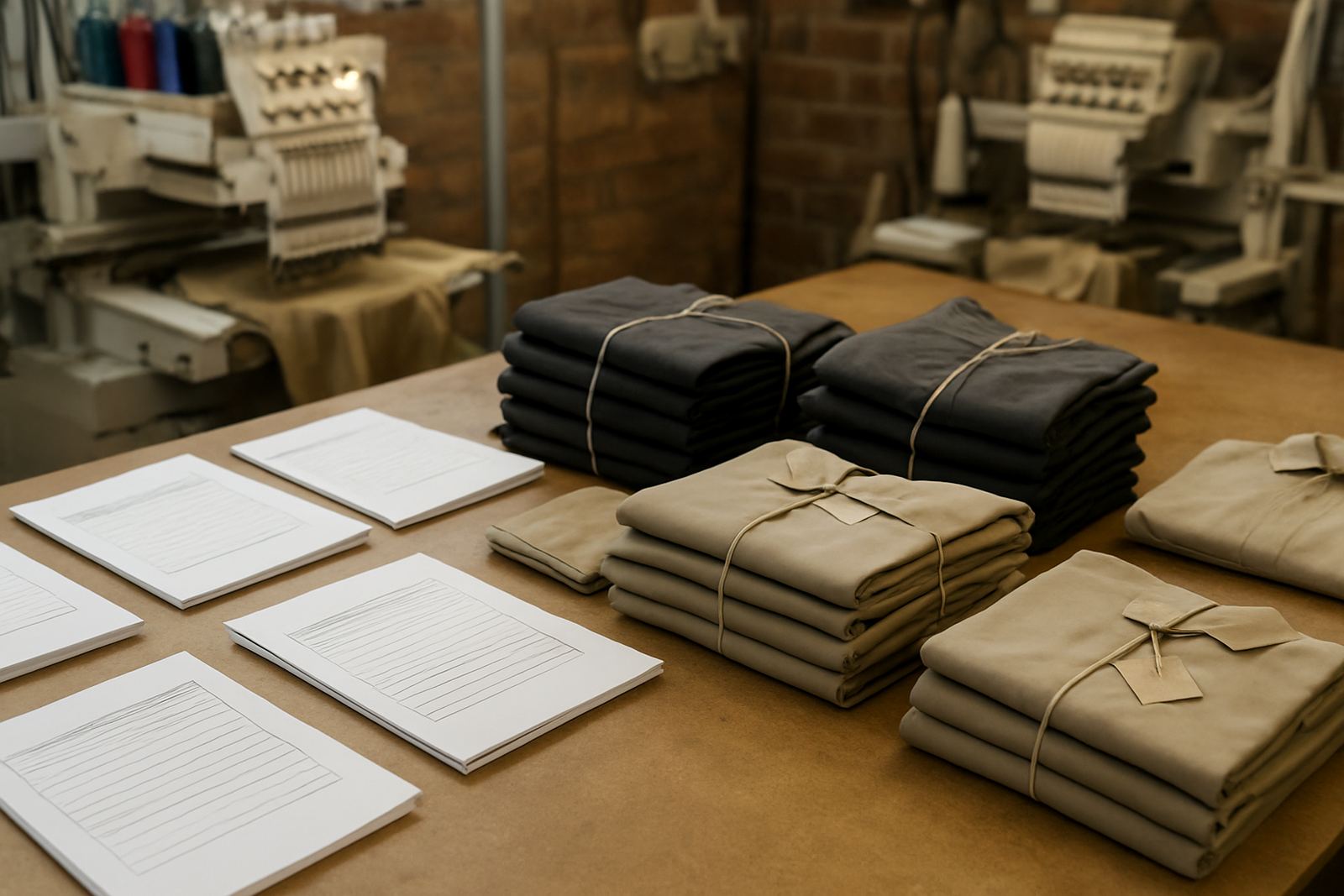
Bulk order packing should be labelled clearly with branch names, sizes and item counts. If you are sending uniforms to several schools or business sites, include a packing list inside each carton. That makes receiving stock much easier for the person on the other side, especially when the team is busy or short staffed. During load-shedding periods, it also helps to have the paperwork ready and simple so goods can move through fast when collections are arranged.
- Label each box by branch and department
- Separate men’s, ladies and youth sizes where needed
- Pack by delivery route if several sites are included
- Keep a copy of the packing list with the main contact
A Practical Example From Mbombela To Barberton
Consider a local business with offices in Riverside, Nelspruit Central and Barberton, plus a small team in White River. The head office needs embroidered corporate shirts, the field team needs branded caps and bags, and the reception staff need name personalisation. If each branch sends its own small order without a common format, the result is usually delays, mismatched colours and a lot of phone calls.
With one coordinated order, the business can gather staff names, confirm sizes, approve artwork once and split the delivery by branch. That makes the process faster and easier for everyone. It also means the clothing looks consistent across all sites, which matters when your team meets customers in different towns. A simple method can save a full lot of stress, especially when several managers are involved.
For schools, the same approach works just as well. Sports days, staff uniforms, matric wear and fundraising items can all be handled under one schedule if the order is broken down properly from the start.