
Start with the job, not just the logo
Before you order anything, match the clothing to the actual role. A sales rep driving between White River and Mbombela does not need the same kit as a warehouse hand in Barberton or a school admin team member in Hazyview. The best onboarding packs are built around function first, then branding.
For Lowveld conditions, think about heat, dust, rain and long travel days. Cotton-rich shirts suit office and front-line staff, while durable polycotton works better for trade, warehousing and outdoor support. If your team works near machinery or in areas where public visibility matters, add hi-vis layers or jackets where needed. A neat shirt with a proper logo is good, but only if the cut and fabric suit the workday.
As a rule, start with the basics and scale up after the first month if needed. That keeps the first issue practical and cuts waste.
Build a core kit that covers the first 3 months
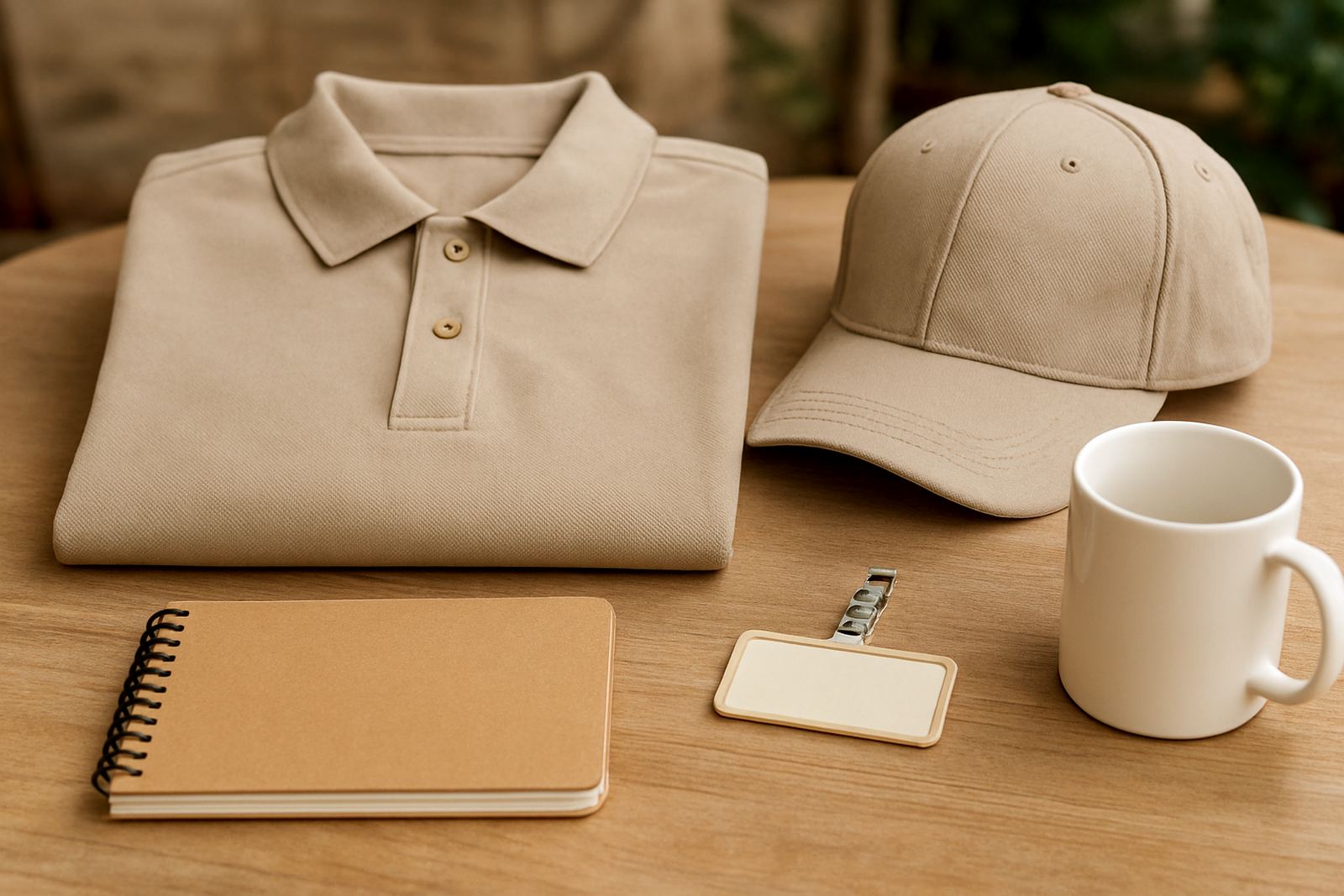
New staff usually need a small, reliable set of items that can handle daily use before a full annual issue is decided. A sensible onboarding pack gives the person enough clothing to start without making the store room overfull or the budget hard to manage.
- 2 to 3 branded shirts or golf shirts for rotation
- 1 jacket or fleece for early mornings and winter
- 1 cap for site work, deliveries or outdoor tasks
- 1 pair of trousers or skirt options where the dress code allows
- 1 bag for documents, samples or tools
- Name personalisation if the team deals directly with customers
For school wear, hospitality or retail teams, include extra spares for busy weeks and wash cycles. For field staff moving across the Lowveld, one backup shirt is worth the space. It saves the awkward situation where a new employee starts and the right size is still being chased.
Choose branding that stays tidy after washing
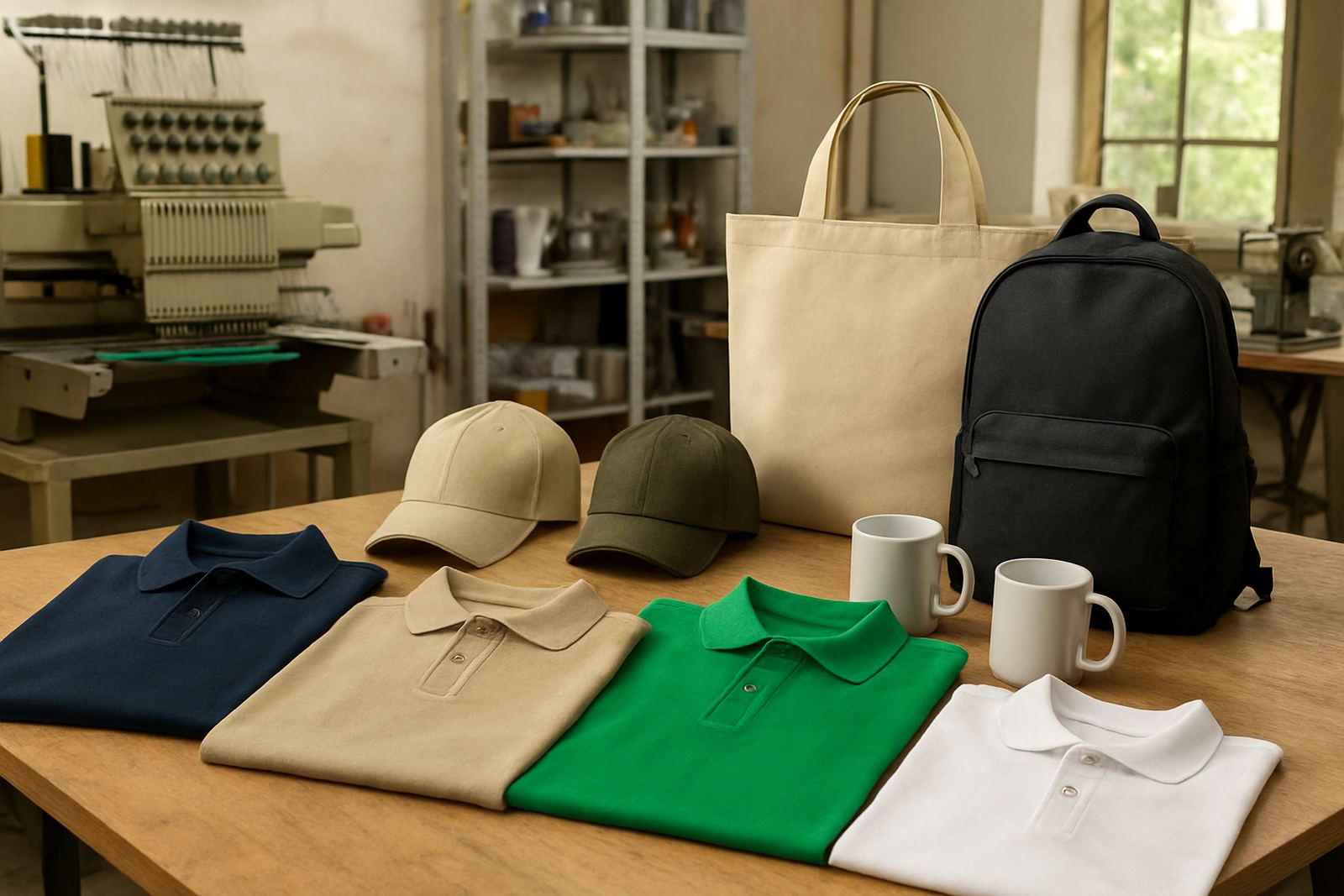
The branding method should suit the garment and how often it will be washed. Embroidery gives a smart finish for shirts, fleece and caps, while screen printing is often better for larger logo areas and lighter-weight items. Sublimation works well on suitable sports or promo clothing where full colour artwork is needed. The key is to choose the method that will still look right after repeated washing in Mbombela heat and humidity.
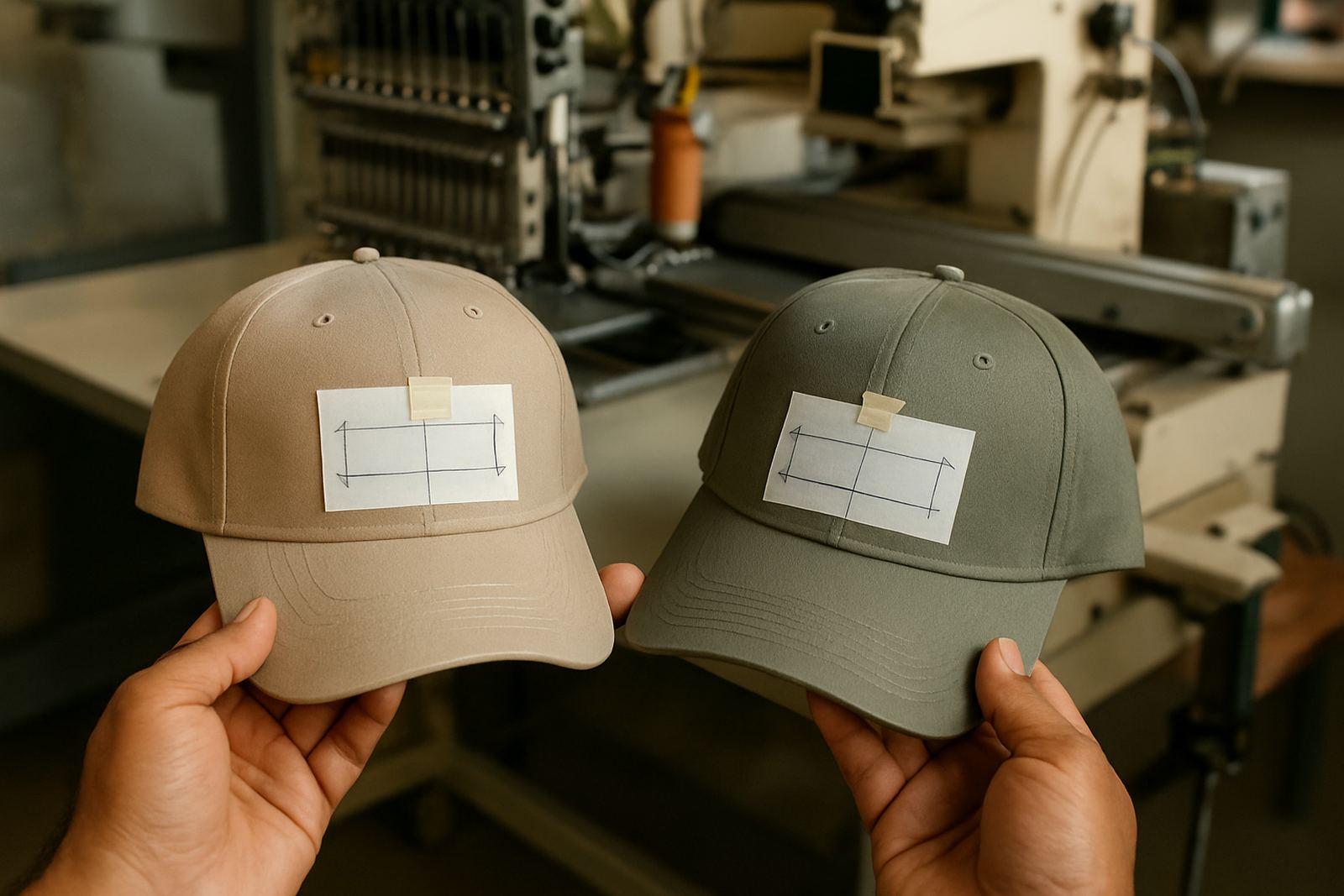
We always recommend checking the logo size, placement and thread or print colours before production starts. A logo on the left chest might be perfect for corporate wear, while back branding may be better for delivery teams or event clothing. If the logo is detailed, digitising it properly matters because a clean sew-out saves time and avoids fuzzy edges. If the garment is striped, textured or very stretchy, the artwork needs a bit more care.
One small but important point, do not guess the sizing. A sample set or size run helps avoid returns and awkward first-day exchanges.
Treat sizing as an HR and operations task
Onboarding clothing works best when sizing is handled with the same care as payroll forms or access cards. If the shirts are too tight or the trousers too loose, the employee feels uncomfortable and the garment gets pushed to the back of the cupboard. That is money wasted.
For teams in Mbombela, Nelspruit Central, Kabokweni and surrounding areas, it helps to collect sizes during onboarding paperwork. Ask for chest, waist, shoe size where relevant, and whether the person prefers a relaxed or standard fit. Some departments need uniformity, while others allow a little choice. When in doubt, a medium and large size mix is better than one size only.
- Record sizes before the order is placed
- Allow for shrinkage on cotton-rich items
- Keep at least one spare size per team where possible
- Separate male and female fit preferences if your dress code allows it
That approach keeps the handover smooth and helps new staff feel considered from the start.
Don’t forget the practical extras
Onboarding packs are more useful when they include the small items that make work easier. A cap protects against sun on site, a branded bag helps with documents and a name print makes staff easier to identify in customer-facing roles. For schools, clinics and retail teams, that little bit of order makes the whole operation look better.
In the Lowveld, dust and weather can be hard on clothing, so extras are not just for looks. A second cap, a spare shirt or a jacket for winter mornings in White River can save a lot of discomfort. For teams that travel, a branded bag is useful for order books, samples, training notes or a tablet. It also keeps items from going missing in shared vehicles.
If the business has induction days, include one clean spare top in the onboarding box. It is a simple touch, but it often gets used.
Plan for bulk packing and first-day handover
When you are onboarding several staff at once, packing becomes just as important as the clothing itself. Items should be sorted by name, size and department so the right person gets the right pack on day one. Bulk order packing reduces confusion, especially where managers are handling staff across Mbombela, Malelane and Barberton at the same time.
We find that a clear packing list helps the whole process run better:
- Staff name and department
- Garment type and sizes
- Branding method and logo position
- Any personalisation, such as surname or role title
- Issue date and sign-off section
This also helps when replacements are needed later. If a shirt is lost or damaged, you can see what was originally issued and match it correctly.
A Lowveld example that makes the process easier
A security contractor opening a new site near White River may need to kit out 12 staff members before the first shift. The pack could include two branded shirts each, one cap, one jacket for the early morning check-in, and a name mark for supervisors. If the team is split between day and night shifts, darker colours and easy-care fabrics make sense.
That same order might also need extra small and extra-large sizes, because a mixed group of new employees almost never fits one standard range. If the company has client-facing staff in Nelspruit Central, a neater embroidered finish may be better than a plain printed shirt. The answer is not more clothing for the sake of it, but the right clothing for the role, the weather and the work pattern.
Once the first issue is done properly, follow-up orders are much easier and the business looks organised from the start.